
Free written scope consultation - allowances, timeline, and change-order rules on paper before a single trade is scheduled
Unilock Home Additions & ADU: The Dallas Owner’s Guide
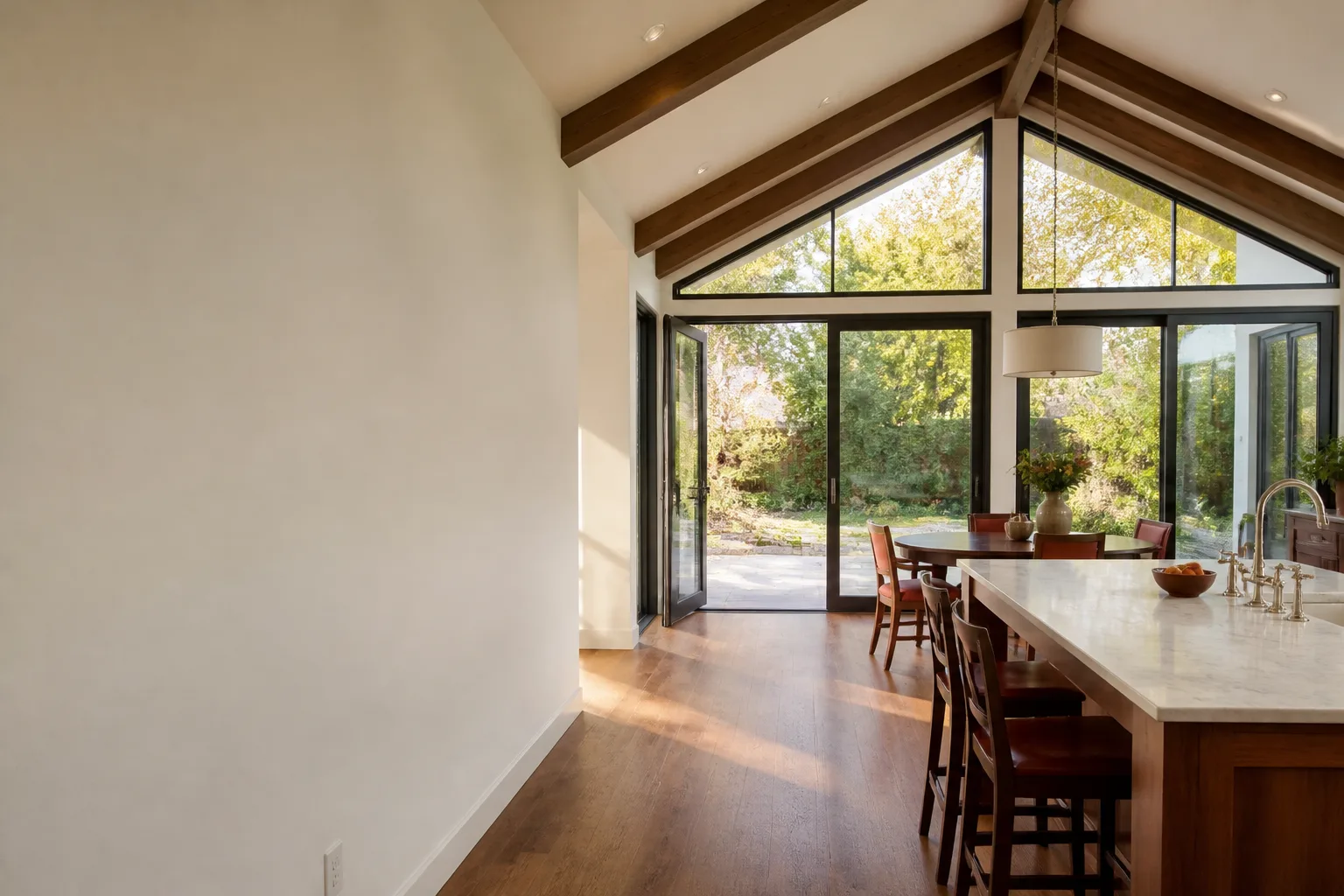
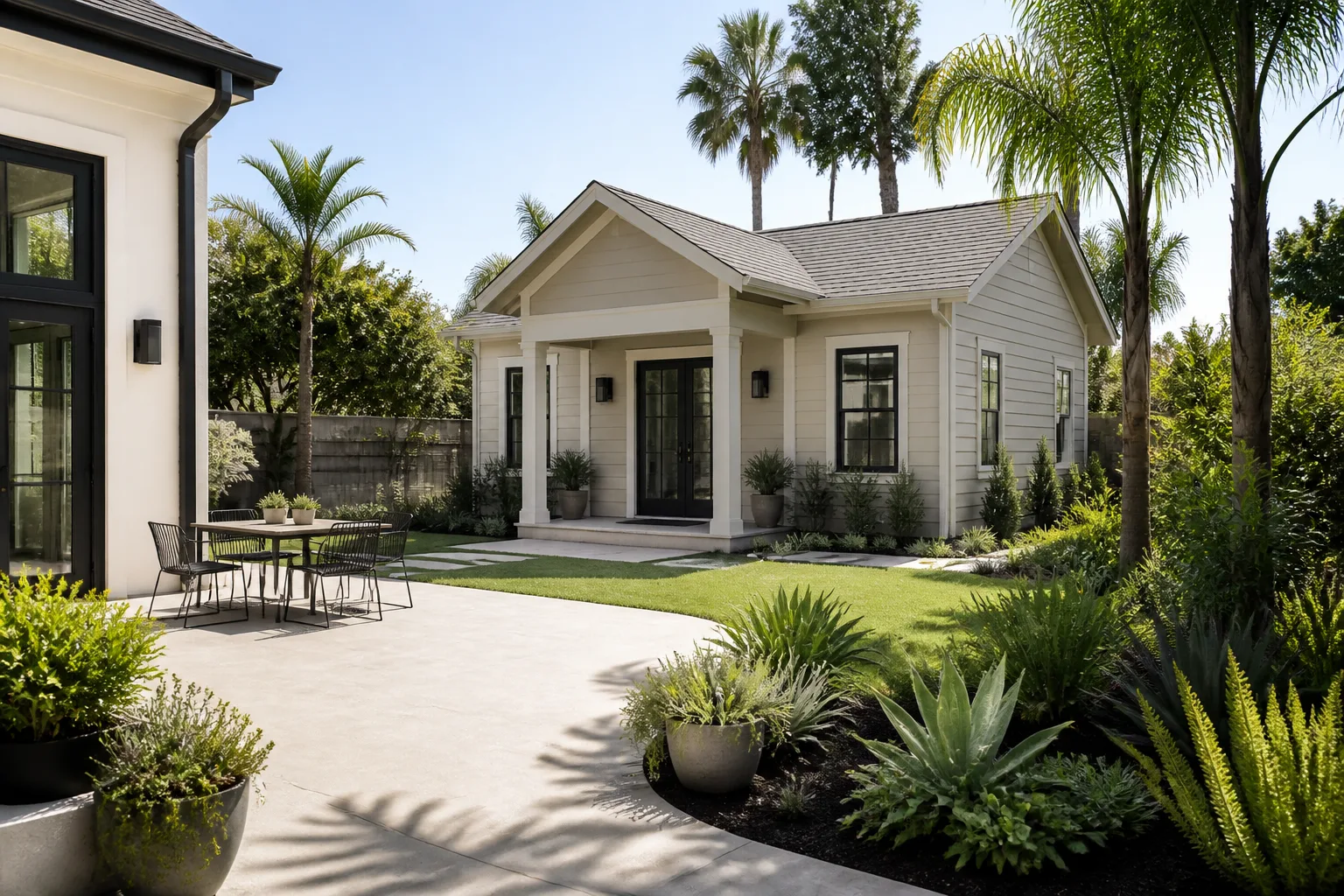
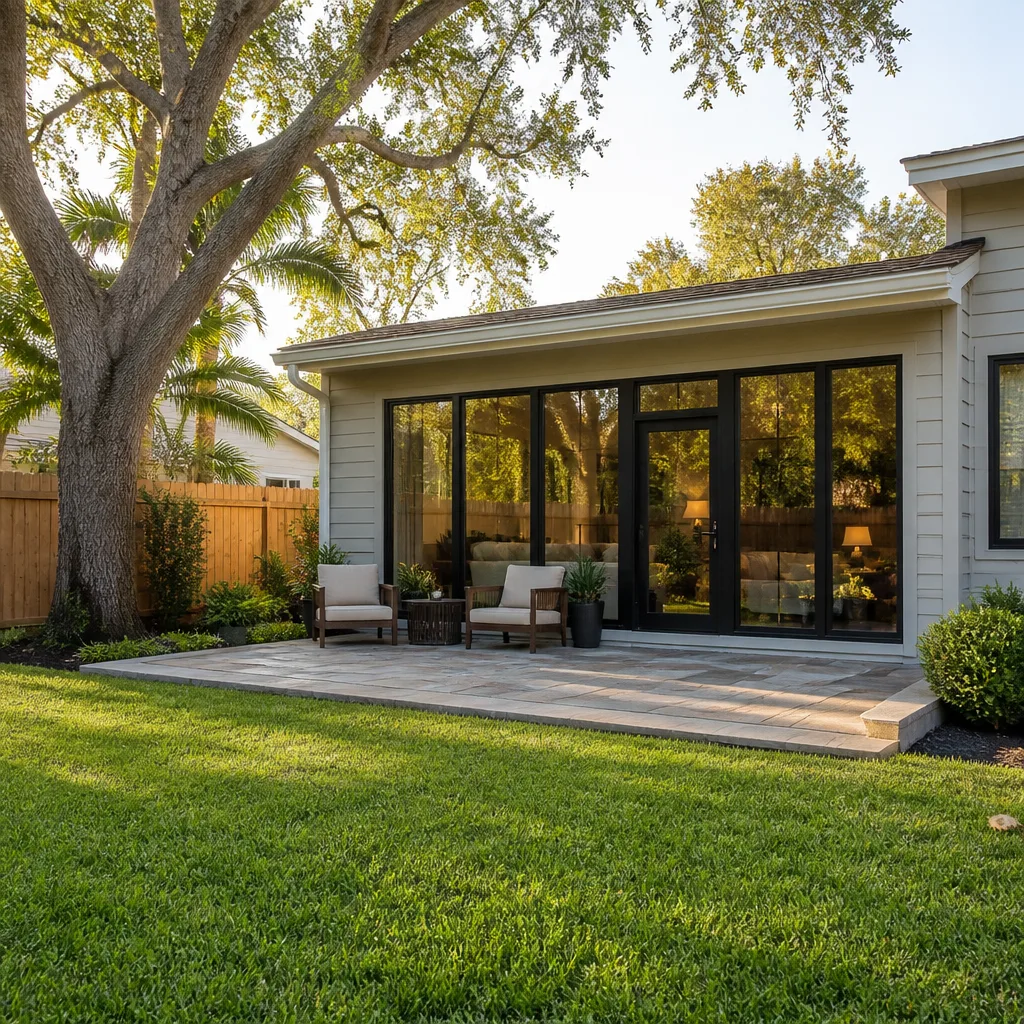
If you’re planning a Unilock home addition or ADU in Dallas, you’re looking at $45,000 – $130,000 for a standard addition and $90,000 – $220,000 for a full ADU construction, depending on square footage, foundation work, and finish level. We install and build with Unilock pavers, retaining walls, and hardscape systems across Dallas, and we can typically start your design consultation within the week. Most Dallas homeowners discover they need this work when a backyard slope fails, a patio starts sinking into clay soil, or they’re simply out of room and need square footage that doesn’t require a new lot.
The reality in Dallas is that our expansive clay soil shifts with every wet-dry cycle. A Unilock paver patio or retaining wall that wasn’t built on a properly compacted base will show it within two or three seasons. That’s exactly what drives so many homeowners toward a properly engineered addition or ADU with Unilock hardscape elements integrated from day one instead of bolted on later.
Which Unilock Models This Applies To
Unilock doesn’t build home additions or ADUs as a product line. What they make is the hardscape system that surrounds and supports them: paver driveways, walkways, patios, pool decks, and retaining walls in product families like Beacon Hill, Brussels Block, Copthorne, Courtstone, and Town Hall. When we plan a Dallas addition or ADU with Unilock elements, we’re matching the paver profile to the existing hardscape on your property. That’s where compatibility gets tricky.
Here’s a gotcha most people don’t know: Unilock pavers come in different thicknesses for different loads. A 60mm paver handles foot traffic. A driveway needs 80mm. If you have a Brussels Block patio that’s 60mm and you want to extend it into a driveway approach for your new ADU, you can’t just keep laying the same paver. You need the heavier version, and both come in the same color and finish, so the transition looks seamless. We check this during the site visit because it’s the kind of detail that separates a ten-year installation from a three-year one. We’re an independent Dallas contractor, not affiliated with Unilock, but we’ve been working with their products long enough to know these specs cold.
For OEM versus aftermarket: Unilock’s color blends are proprietary. An aftermarket paver that claims to match a “brushed nickel” or “tumbled” finish won’t look right next to the real thing after two Texas summers. For edge restraints, joint sand, and polymeric sand, quality aftermarket products from Techniseal or Sakrete work fine and honestly perform the same. For the pavers themselves, stay OEM if you’re matching existing work.
Styles & brands we work with







Signs Your Unilock Home Additions & ADU Is Failing
- Paver edges are spreading outward. The edge restraint failed or was never installed. This lets the whole field shift, and you’ll see gaps opening up at the border first. Once the edge goes, the middle follows within a season.
- Low spots hold water after rain. The base material wasn’t compacted in lifts, or drainage wasn’t addressed before the pavers went down. Water pooling on a paver surface accelerates joint sand washout and frost heave in Dallas’s freeze-thaw cycles.
- Retaining wall is leaning or bulging. A Unilock wall block system without proper geogrid reinforcement or drainage gravel behind it will push outward as clay soil swells. This isn’t cosmetic. A leaning wall can fail suddenly during spring rains.
- Joint sand is washing out or weeds are established. If polymeric sand wasn’t activated correctly or the paver joints are too wide, you’ll see sand eroding after every storm. Weeds follow, then the pavers start rocking.
- New hardscape from an ADU build doesn’t tie into existing drainage. When an addition’s downspouts dump water onto a Unilock patio, you get erosion channels and sinking. The problem isn’t the pavers, it’s the missing drainage, and it gets worse every year.
See the difference
 Before
 After
After Before
 After
After Before
 After
AfterReplacement Cost & What’s Included
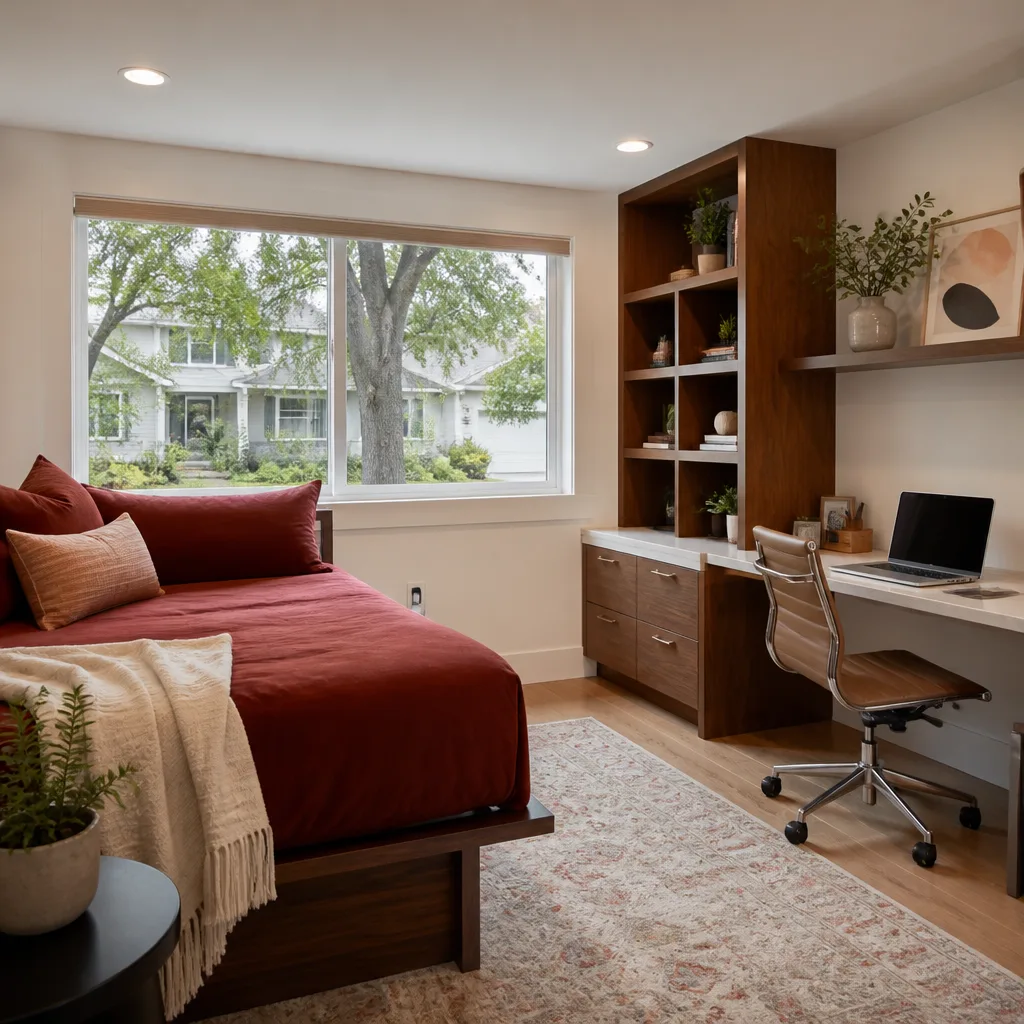
For a Dallas home addition using Unilock hardscape as part of the build, plan on $45,000 – $130,000. A full ADU with a Unilock patio, walkway, or driveway approach runs $90,000 – $220,000. Here’s what drives the number up or down, in real terms from jobs we’ve priced in Oak Cliff, Lakewood, and the M Streets:
- Foundation type: Pier and beam houses (common in older Dallas neighborhoods) often need additional support work before an addition goes up. Slab-on-grade is usually more straightforward.
- Utility connections: Running plumbing and electrical to an ADU across a 60-foot backyard costs real money. Trenching through Dallas clay isn’t fast, and it isn’t cheap.
- Hardscape square footage: A 200-square-foot Unilock patio added to the project is a different line item than a 900-square-foot driveway and walkway package.
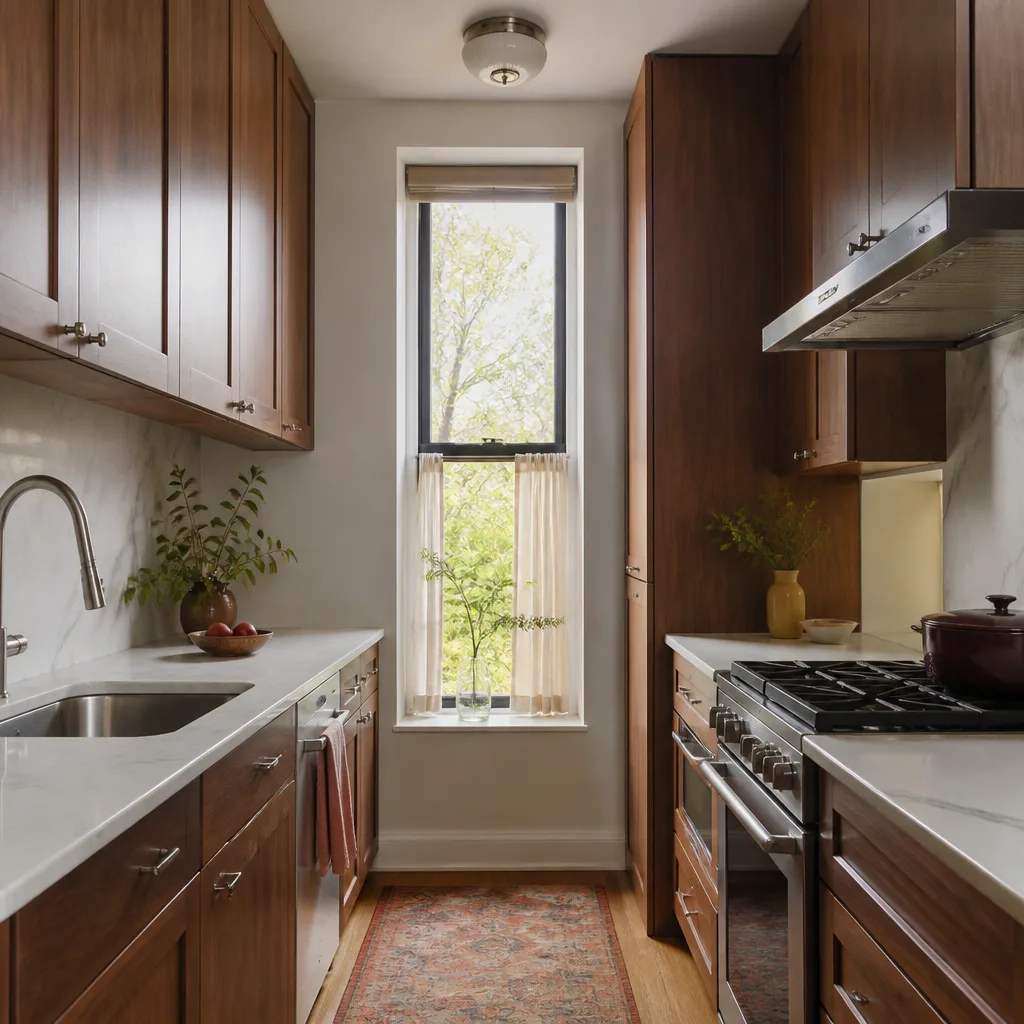
- Finish level inside: Cabinetry, countertops, flooring, and fixtures swing the final number more than anything else. We install KraftMaid and Cambria and Silestone products regularly, and they carry their own warranties alongside ours.
Every quote from Penhallow Remodeling Dallas is a written, line-item price before work starts. You see the paver cost, the base prep cost, the labor, and the materials separately. If the number changes, you’ll know why before it happens, not after. And every project carries our 365-Day Done Right Promise: if the work fails inside a year, we come back and fix it at no charge.
DIY or Call Us?
You can check a few things yourself without touching a tool. Walk your hardscape after a hard rain and mark where water sits. Look at the edges and see if the restraint is visible. Check whether pavers rock under foot. None of that costs you anything, and it helps us size up the problem faster.
What I’d stop you on is the rebuild itself. A Unilock installation lives and dies on the base: how deep it’s excavated, how the gravel lifts are compacted, whether the slope moves water away from your foundation. Get that wrong and you’re redoing it in three years, which costs more than doing it right the first time. Trevor Nash grew up around construction in Los Angeles and trained at LATTC before working foundations and full gut-outs, and he’ll tell you the same thing: prep is the job. Give you a number before I pick up a tool, that’s the only way I know how to start.
For anything involving load-bearing walls, electrical work, or gas lines as part of your addition or ADU, leave it to licensed pros. That’s not a suggestion, it’s a safety line. Call (940) 204-5368 and we’ll walk the site with you, no pressure, no obligation.
FAQs
A properly installed Unilock paver surface on a compacted base with correct drainage lasts 25 – 40 years in Dallas. The catch is the base and drainage. With our clay soil and freeze-thaw cycles, a paver installation on an underbuilt base can start failing in two to three years. Call (940) 204-5368 if your hardscape is sinking, spreading, or holding water.
Yes, in many cases we can reset an edge, re-sand joints, or lift and re-level low spots without a full rebuild. If the base has failed or the drainage was never addressed, a patch job won’t hold. We’ll tell you which situation you’re in before we quote anything.
A typical home addition runs three to six months from permit to final walkthrough. An ADU usually takes four to eight months depending on utility connections and finish work. The permitting process in Dallas adds several weeks, and we handle that paperwork for you.
We order Unilock pavers directly from the regional distributor for each job, which means we get the exact color lot you need to match existing work. We also keep edge restraints, joint sand, and polymeric sand in our trucks, so smaller repair jobs can often be handled on the first visit. For an exact timeline and written price, call (940) 204-5368.
Written by Trevor Nash, Owner, Penhallow Remodeling Dallas at Penhallow Remodeling Dallas, serving Dallas and nearby areas.


