


Free written scope consultation - allowances, timeline, and change-order rules on paper before a single trade is scheduled
Tamko Home Additions & ADU: The Dallas Owner’s Guide
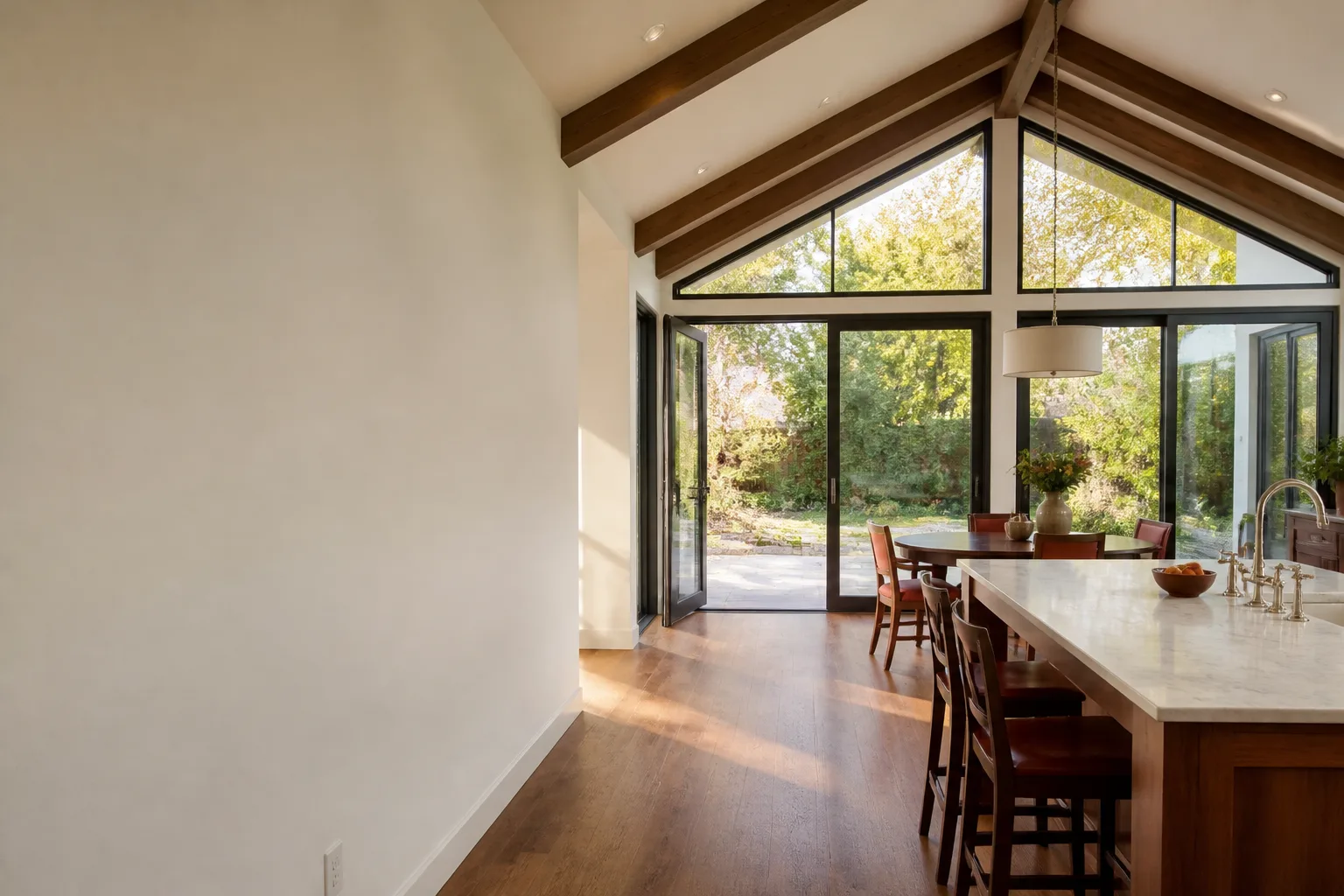
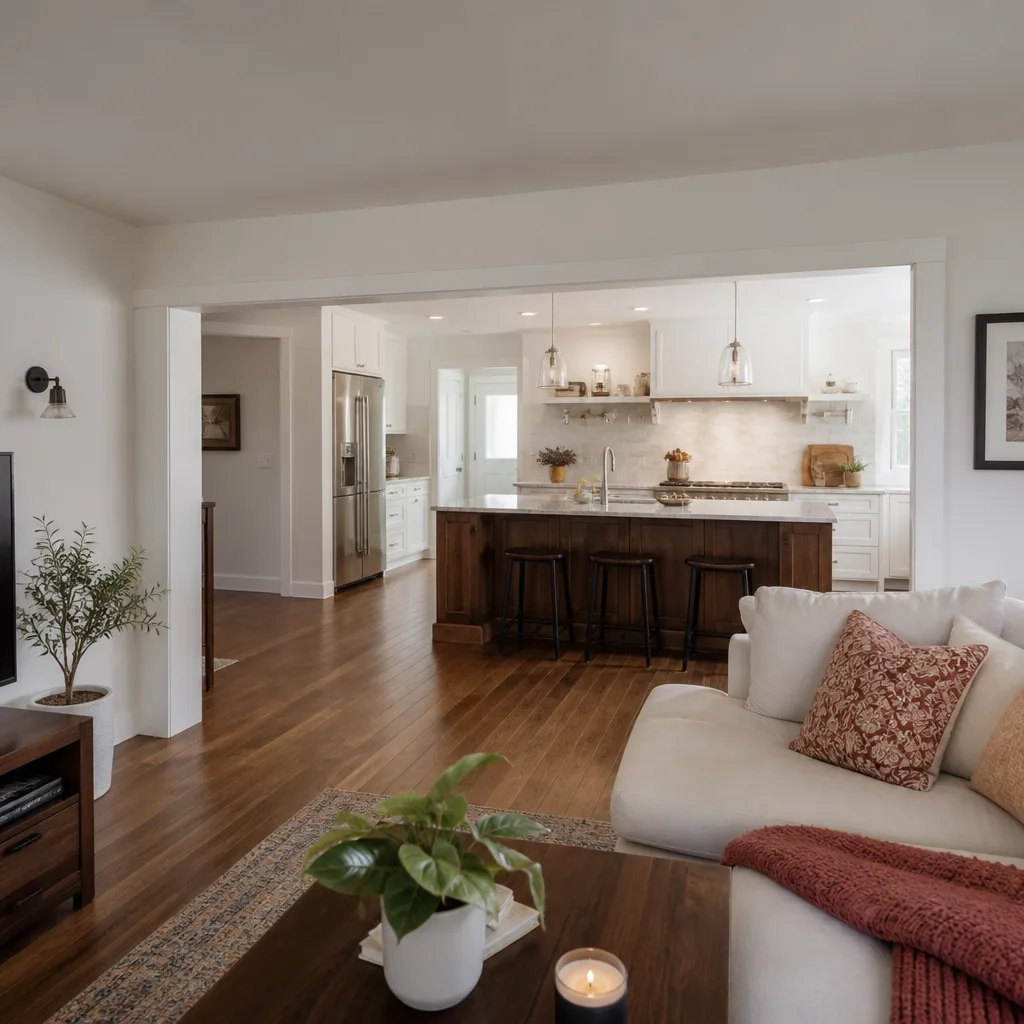
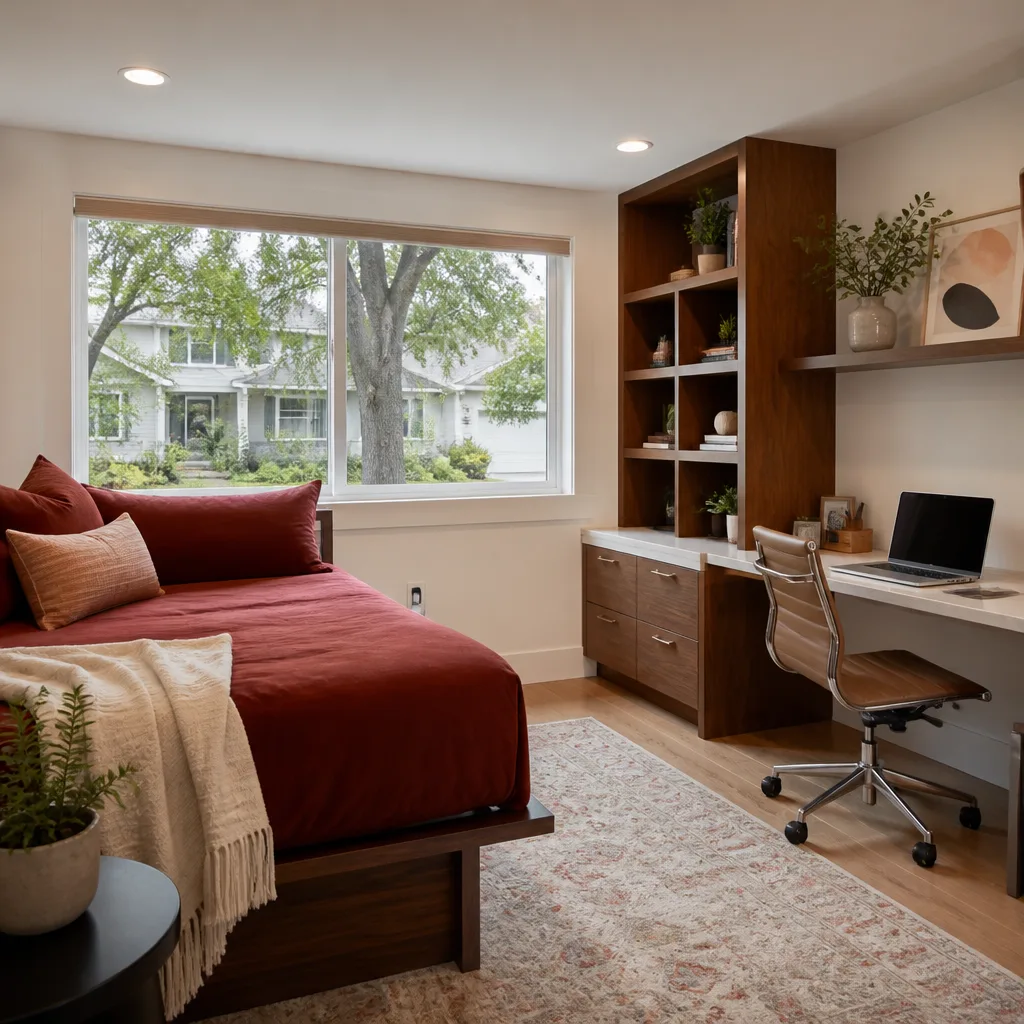
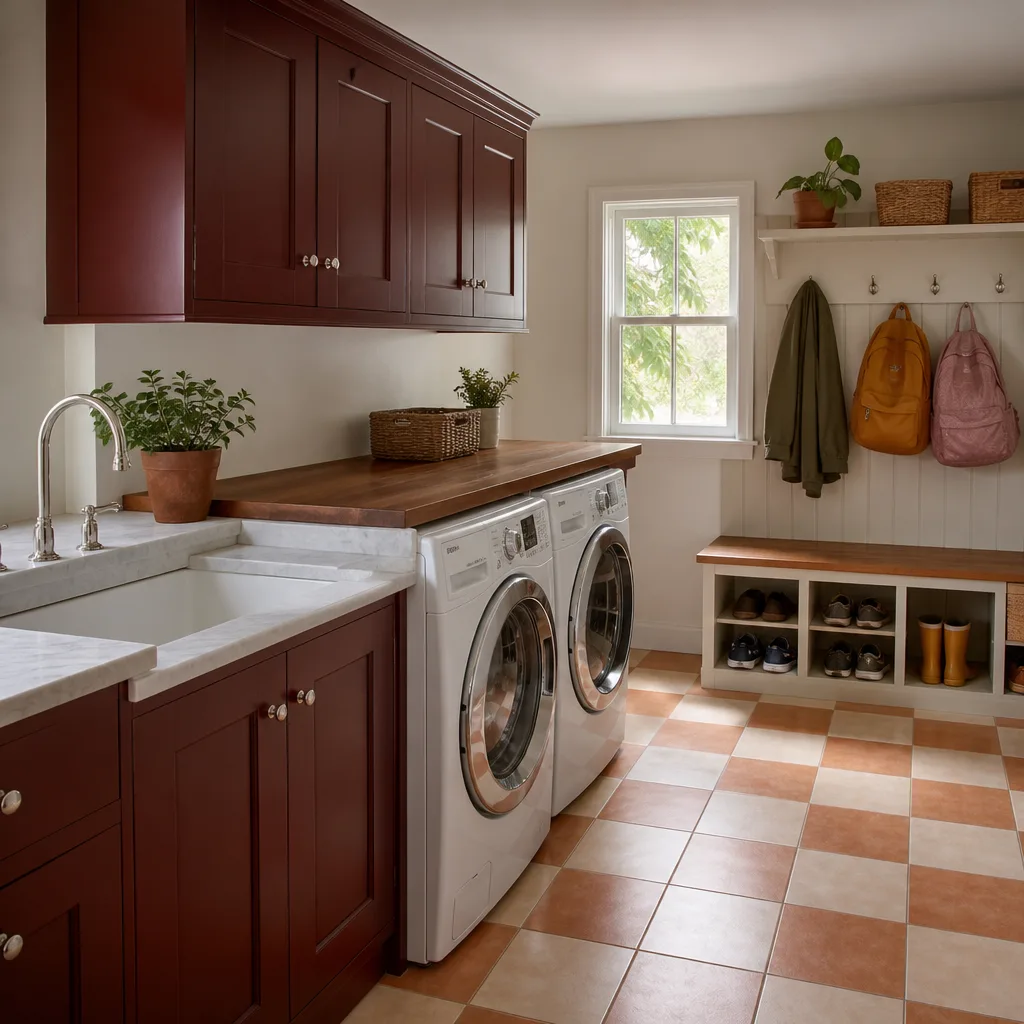
When you’re planning a home addition or accessory dwelling unit in Dallas, the Tamko name usually comes up because of their building products line, including the Proline and Titan XT underlayment series, decking products, and weather barrier materials. Whether you have a failed weatherproofing layer, need matching underlayment, or the perimeter seal has given out after ten North Texas summers, we install and replace Tamko-compatible components on additions and ADUs across Dallas every week. Typical installed replacement work tied to these materials runs $45,000–$130,000 for full home additions, with garage conversions and smaller scope repairs landing in the $30,000–$80,000 range. Homeowners usually find us the same way: an addition feels damp, the decking bounces, or the seal between old and new wall sections has cracked wide enough to slide a key through.
Which Tamko Models This Applies To
Most Dallas homeowners are working with Tamko Proline or Titan XT synthetic underlayment, or the Tamko deck board and railing systems, and each line has a specific compatibility window you won’t find printed on the box.
The Titan XT series has a low-perm rating that works well under metal roofs, while Proline is better suited to standard asphalt shingle roofs over conditioned space like a new primary suite addition. If you’re stacking two underlayments, you’re wasting your money and trapping moisture: Proline over Titan XT creates a vapor sandwich that fails fast in Dallas humidity, and we’ve torn out more than a few of those after the drywall started bubbling six months in.
Find the roll-end sticker on the original material. It shows the product code and date code. If that sticker is gone, the underside texture usually tells us what we’re dealing with. Titan XT has a visibly different surface than Proline, and the older Tamko decking boards are about a quarter-inch narrower than their current run. Aftermarket equivalents exist and can save you 15–20 percent, but matching a failed warranty or an active new-home build almost always calls for OEM material, so nothing gets flagged on inspection.
Styles & brands we work with







Signs Your Tamko Home Additions & ADU Is Failing
- Water staining along the seam where the addition meets the main house. This is almost always a failed transition flashing or the wrong underlayment lapping sequence, and it shows up first on the ceiling inside that transition hallway.
- Decking boards lifting or peeling at the edges. Tamko composite boards expand and contract more than wood in Dallas summer heat, and if the installer gapped them too tight, the edges curl like a potato chip.
- A musty smell in a new ADU that won’t air out. That’s trapped moisture behind the wall or under the floor, often from a vapor barrier installed on the wrong side for our climate zone.
- Cracking stucco where the new wall meets the old brick or siding. Differential settlement between the original slab and the new foundation pad is normal, but a gap wider than a quarter-inch means the shear panel or weather barrier has torn too.
- Roof underlayment that feels brittle or crumbles when you touch the exposed edge in the attic. High-UV exposure and our attic temps above 140 degrees bake the cheaper Tamko lines much faster than the rated lifespan.
See the difference
 Before
 After
After Before
 After
After Before
 After
AfterReplacement Cost & What’s Included
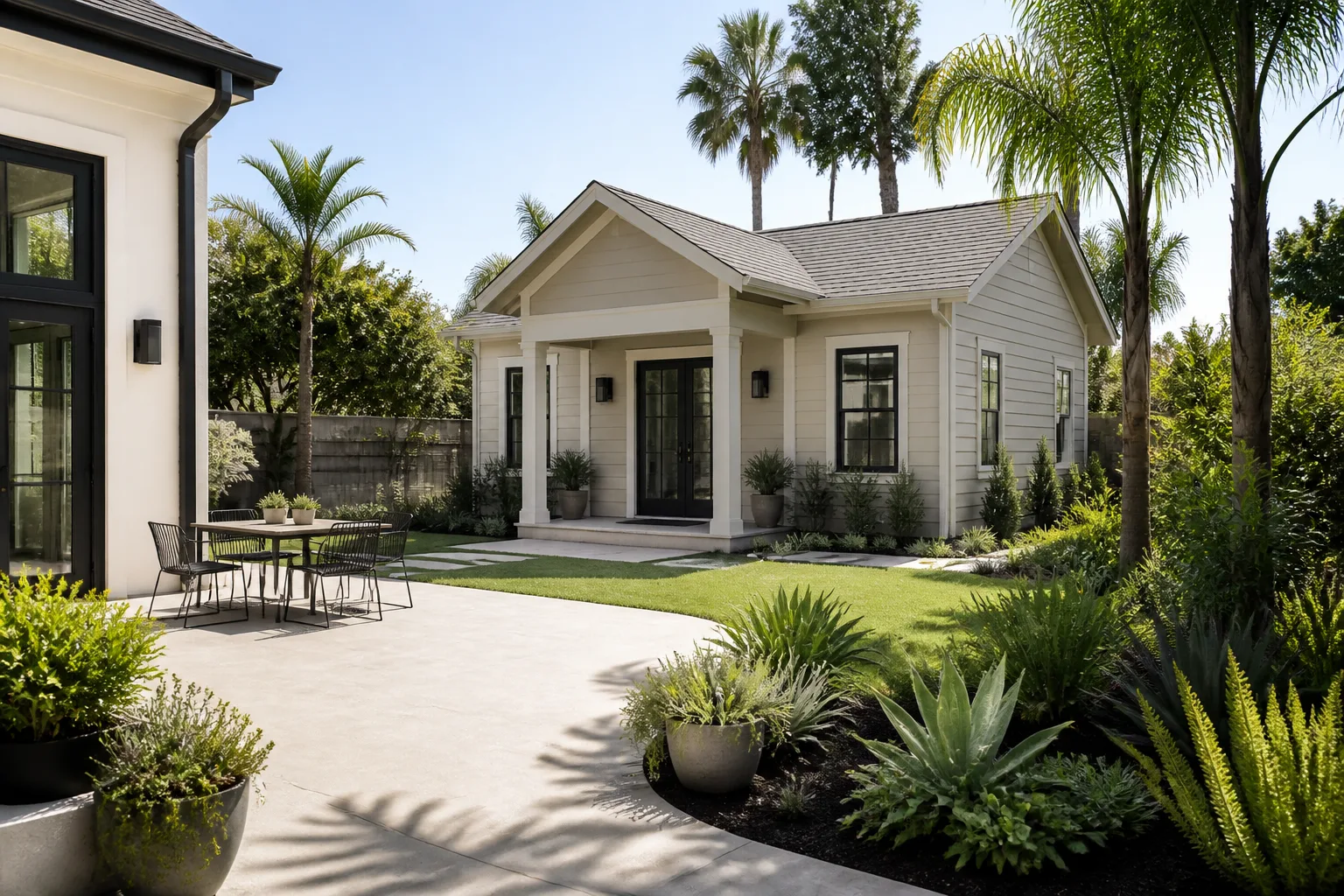
In Dallas, the full home addition work tied to Tamko product lines runs $45,000–$130,000 depending on square footage, whether it’s a second story or a slab-on-grade bump-out, and what the original framing and sheathing look like once we open it up. ADU construction with new Tamko building materials lands between $90,000 and $220,000, and a garage conversion using the existing slab typically falls in the $30,000–$80,000 window.
That price includes pulling permits, the Tamko materials themselves, all substrate repair (the structural layer beneath your finish surface), flashing, sealing, insulation correction if needed, and a written line-item quote before we pull the first board. We hand you a number, and that’s the number. You also get the 365-Day Done Right Promise in writing: if our component work fails inside a year, we come back and fix it at no charge. No inspection fee, no second visit charge.
What Drives the Price Up or Down
- Condition of the existing framing and sheathing. We won’t know until we open it up, but Dallas termite and moisture damage is the big wild card.
- Tamko line chosen. Titan XT costs more than Proline, and current-generation decking boards run higher than the older narrower run.
- Roofing complexity. A hip roof with valleys and two plumbing stacks costs more than a straight gable over a simple bump-out.
- Access. A second-story addition behind a tight fence line in East Dallas costs more in staging and debris removal than a wide-open back lot in Plano.
DIY or Call Us?
You can check your attic for daylight gaps, look for soft spots on the decking, and make a note of where the musty smell is strongest. What you shouldn’t do is pull up Tamko underlayment or decking on a lived-in addition yourself. Tearing open a weather barrier exposes the wall and roof cavity to moisture, and one overnight rain on an open seam turns a $2,000 repair into a full mold remediation. The same goes for anything structural: if you can feel a soft spot underfoot, stay off it and call us, not because we want the work, but because a fall through a rotten subfloor is how people end up hurt.
That said, documenting what you see helps. Take photos, write down the product code if the sticker’s intact, and have that ready. Call (940) 204-5368 and we’ll walk through what you’re seeing before we even schedule a visit. Give you a number before I pick up a tool, that’s the only way I know how to start.
FAQs
Tamko Proline and Titan XT underlayments are rated for 25–40 years in most climates, but in Dallas heat and UV exposure, the real-world number is closer to 18–25 years before they start to degrade. The decking lines hold up longer if they were gapped for our summer expansion, and shorter if they weren’t.
Yes, if the failure is localized: one seam, one valley, one spot around a roof penetration. If it’s widespread cracking or brittleness, patching becomes a game of whack-a-mole, and full replacement is cheaper than three repair visits. Call (940) 204-5368 for an exact quote; estimates are free.
Most Tamko component replacements on a Dallas ADU run three to seven working days, depending on weather and whether the roof decking or wall sheathing underneath needs repair. A straight underlayment swap on a garage conversion can finish in two days.
We stock the common Tamko underlayment rolls, fasteners, and flashing for the Proline and Titan XT lines. Specialty orders, like a rare decking color, usually arrive in three to five business days. Other product lines we work with include KraftMaid, Cambria, and Silestone, but Tamko building products are what we see most on additions and ADUs around Dallas.
Written by Trevor Nash, Owner, Penhallow Remodeling Dallas at Penhallow Remodeling Dallas, serving Dallas and nearby areas.


