



Free written scope consultation - allowances, timeline, and change-order rules on paper before a single trade is scheduled
Owens Corning Home Additions & ADU: The Dallas Owner’s Guide
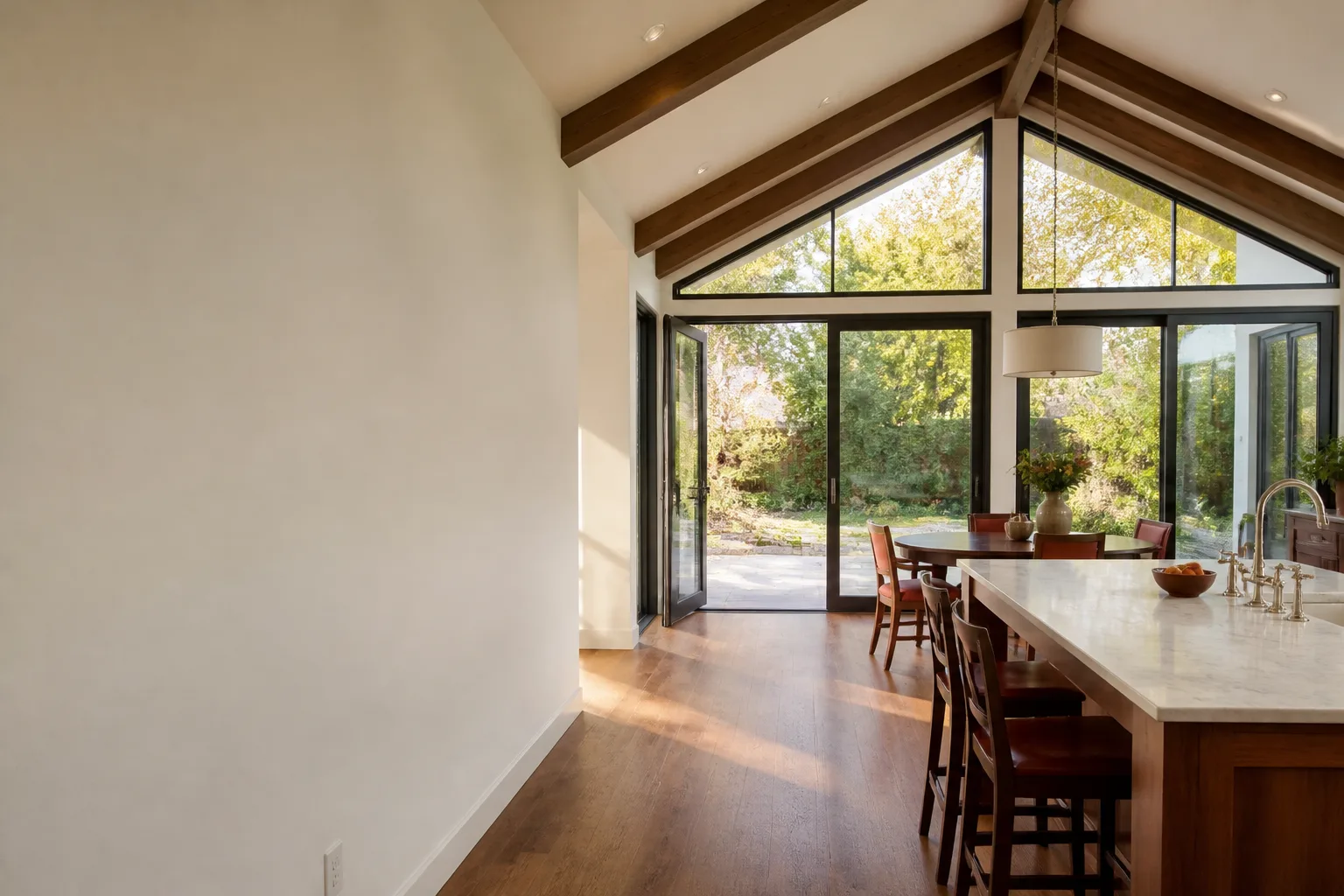
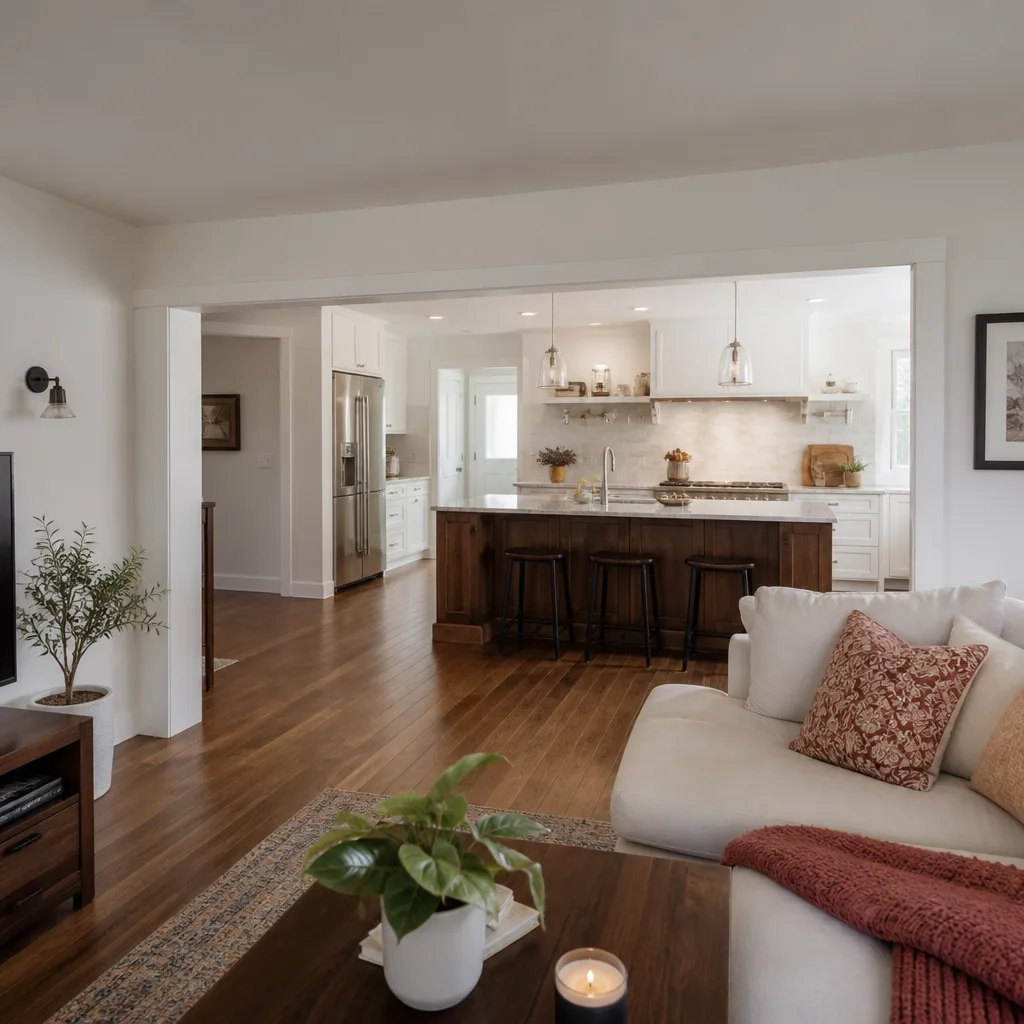
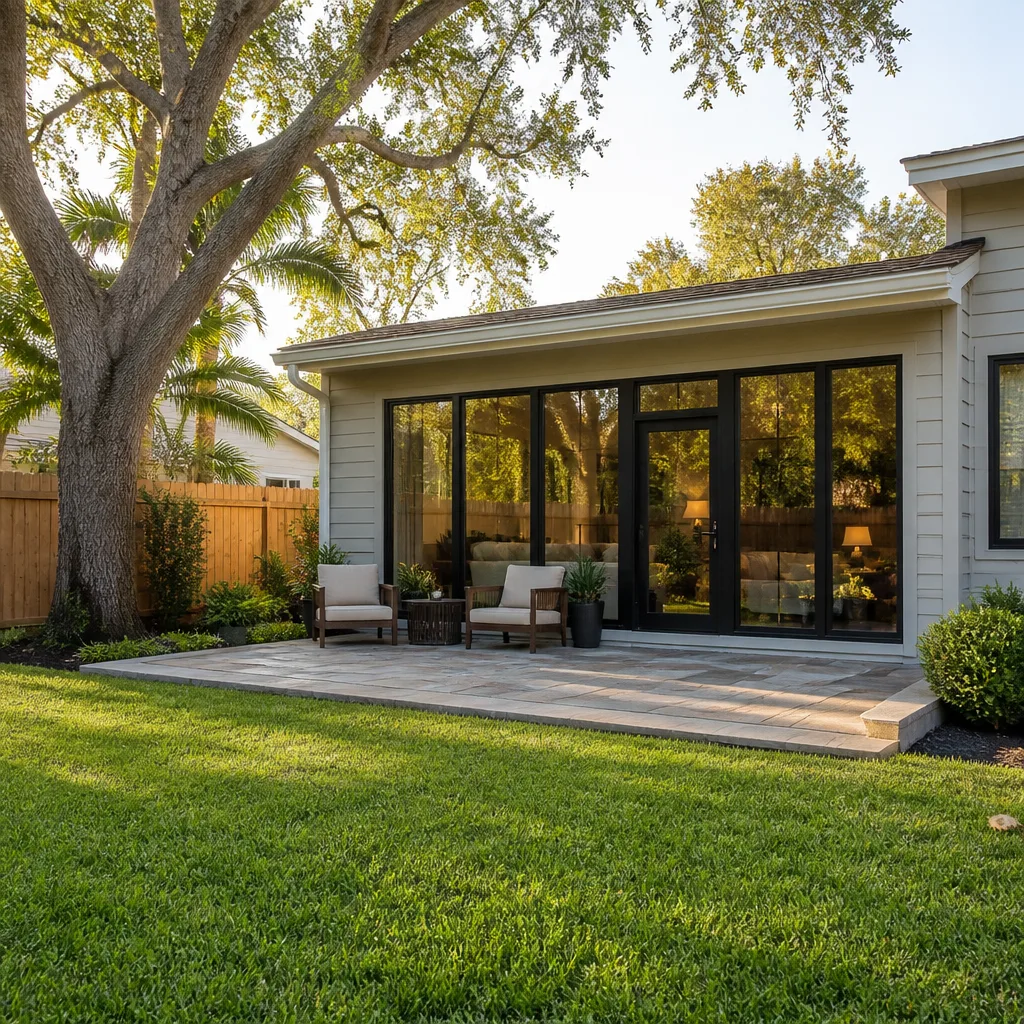
An Owens Corning home addition or ADU in Dallas typically runs $45,000 – $130,000 installed, and most projects take 12 – 20 weeks from permit to final walkthrough. We’re Penhallow Remodeling Dallas, an independent remodeling contractor that works with Owens Corning insulation and building envelope products on additions, garage conversions, and backyard ADUs. When an Owens Corning product underperforms or fails, the symptom is usually obvious: a room that won’t hold temperature, moisture in the wall cavity, or insulation that’s settled into a useless mat. If you’re reading this because an addition built with Owens Corning products isn’t performing, here’s exactly what’s going wrong and what it costs to make it right.
Which Owens Corning Products This Applies To
Home additions and ADUs don’t fail as a single unit. What fails is usually one of the Owens Corning products inside the assembly: fiberglass batt insulation (R-13, R-19, R-30 depending on cavity depth), blown-in AttiCat loose fill, FOAMULAR rigid foam board (250, 400, 600, or 1000 series, referring to compressive strength in psi), or the ProPink housewrap behind the siding. Here’s the compatibility gotcha most Dallas homeowners hit: Owens Corning publishes different R-value requirements per climate zone, and Dallas sits in Climate Zone 3, which calls for R-38 attic insulation and R-13 to R-15 wall cavity insulation. An addition that was insulated to a northern spec, or worse, a garage conversion where the slab was never insulated with FOAMULAR under the flooring, will underperform from day one. We identify the right fix by opening a small inspection port in the wall or pulling attic access, measuring cavity depth (2×4 vs 2×6 framing tells us what R-value is even physically possible), and checking whether the original install used kraft-faced batts where an unfaced batt plus vapor barrier detail was required. On the OEM vs aftermarket question: for Owens Corning specifically, we use genuine Owens Corning replacement insulation when the homeowner wants the original thermal spec matched exactly. In some retrofit situations, a quality aftermarket product from a trade brand performs equally well, and we’ll tell you the honest price difference before we start. We’re not affiliated with Owens Corning; we’re an independent Dallas contractor that happens to work with their products often enough to know what they do right and where they fail in North Texas heat.
Styles & brands we work with







Signs Your Owens Corning Home Addition or ADU Is Failing
- One room won’t hold temperature, no matter what you set the thermostat to. The original insulation has settled, was compressed during install, or was never the right R-value for the cavity depth. In Dallas, where attics hit 140°F in July, this shows up as a bedroom that’s 8 degrees warmer than the hallway.
- Moisture staining on interior drywall, especially near the ceiling line or baseboard. This usually means the vapor barrier or housewrap was lapped incorrectly at the top or bottom plate. Owens Corning ProPink housewrap works, but it has to be shingled so water drains down and out, not in and behind the siding.
- High electric bills with no obvious culprit. Settled or gapped insulation means your HVAC runs longer to compensate. We’ve audited Dallas additions where the original crew left a 2-foot uninsulated strip along the entire exterior wall because they ran out of batts and didn’t want to make another supply run.
- Drafty floors in a garage conversion or ADU. The original builder skipped rigid foam under the slab or between floor joists. FOAMULAR XPS is one of the few insulation products rated for direct ground contact, and skipping it means cold concrete wicks heat out of the space all winter.
- Visible gaps, compressions, or “topping off” in the attic. If you poke your head into the attic and see batt insulation that’s been shoved around during a repair, or loose fill that’s blown away from the eaves, the thermal envelope isn’t continuous. We see this constantly in Dallas additions where a plumber or electrician went up and never put the insulation back.
See the difference
 Before
 After
After Before
 After
After Before
 After
AfterReplacement Cost & What’s Included
In Dallas, re-insulating and re-sealing a failed addition or ADU typically runs $9,000 – $28,000 depending on square footage and how much we have to open up. A full demolition-and-rebuild of a poorly built addition runs $45,000 – $130,000, which is our lead range for complete home additions. A new ADU from the slab up runs $90,000 – $220,000. A garage conversion to living space runs $30,000 – $80,000. What drives the number: whether we’re doing a targeted insulation fix (open a few wall cavities, re-insulate, close them up) or opening every wall to correct improper framing, missing fire blocking, and failed moisture barriers. The price we quote is the price on your invoice. That’s a written number before we pull a single piece of drywall, and it includes a 365-Day Done Right Promise: if the work fails inside a year, we come back and fix it at no charge. No service call fee, no re-inspection fee. We install materials from recognized trade brands like James Hardie, Therma-Tru, and Owens Corning, and you get a written guarantee on the whole job, including the insulation, air sealing, and any framing corrections.
DIY or Call Us?
You can inspect attic insulation safely if you wear a mask, gloves, and stay on the ceiling joists, not the drywall. Look for the telltale gaps, compressions, and bare spots we listed above. You can also check the R-value printed on the facing of any batt you can see. But here’s where DIY goes sideways on these projects: most failed Owens Corning installs aren’t just insulation problems. They’re framing, air sealing, or moisture management problems that happen behind the drywall. Once you open walls in an occupied Dallas home, you’re into building code territory, and there’s a real safety line you don’t want to cross. Improper vapor barrier work traps moisture inside the wall cavity, which leads to mold that shows up a year later. Foam board cut wrong against a concrete slab becomes a termite highway. And if the problem is structural, no amount of insulation fixes it. Trevor Nash has been doing this work since he picked up his first framing hammer at fourteen, and he’s seen enough Dallas additions to know when a job is a two-day insulation fix and when it’s a gut-and-correct. If you want an honest answer, call us at (940) 204-5368 and we’ll put eyes on it. Give you a number before I pick up a tool; that’s the only way we know how to start.
FAQs
Fiberglass batt insulation rated R-13 to R-30 lasts 20 – 30 years when installed correctly and kept dry, but it effectively stops performing the moment it’s compressed, gapped, or exposed to moisture, which shortens the functional life to about a decade in the average Dallas addition. AttiCat loose fill settles over time and loses R-value, especially if it gets moved around during electrical or plumbing work. Foamular rigid board lasts the life of the structure when detailed correctly against the slab and termite-treated at the exposed edges. Call (940) 204-5368 and we’ll inspect your specific installation and give you an honest lifespan assessment; the estimate is free.
In many cases, yes. If the problem is a few compressed batts or a small air leak at a top plate, a targeted re-insulation and air sealing job will fix it for $1,500 – $4,000. If the problem is widespread settling, improper vapor barrier lapping, or missing under-slab insulation, the only honest fix is opening the walls and replacing it. We’ll tell you which situation you have, and we’ll put the number in writing before any work starts.
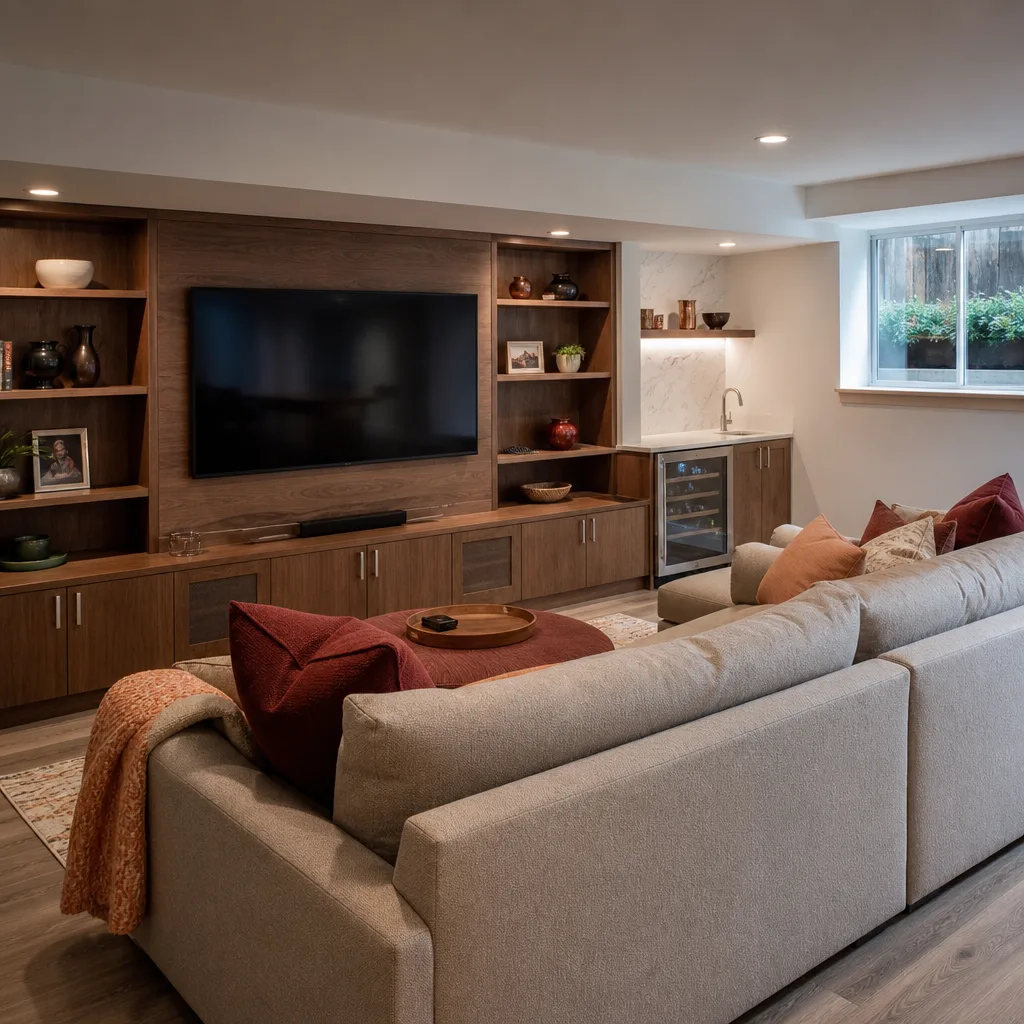
A targeted insulation repair on a single room takes 1 – 2 days on site. A full correction of a poorly insulated addition takes 1 – 2 weeks when you include opening walls, re-insulating, air sealing, re-rocking, and painting. A new ADU takes 12 – 20 weeks from permit to final walkthrough. The written quote includes a start date and a completion window, and you’ll get a defined arrival window on every workday.
We stock common Owens Corning batt sizes (R-13, R-19, R-30) and FOAMULAR rigid board in the thicknesses used for Dallas Climate Zone 3 additions. Specialty products, such as specific ProPink housewrap widths or uncommon foam board series, take 3 – 5 days from our Texas suppliers. If you need a specific product matched to your existing build, we’ll order it and give you the lead time in the written quote. We also work with KraftMaid, Cambria, and Silestone products on the interior side of these projects. Call (940) 204-5368 for a free estimate and we’ll confirm availability for your specific job.
Written by Trevor Nash, Owner, Penhallow Remodeling Dallas at Penhallow Remodeling Dallas, serving Dallas and nearby areas.


