
Free written scope consultation - allowances, timeline, and change-order rules on paper before a single trade is scheduled
IKO Home Additions & ADU: The Dallas Owner’s Guide
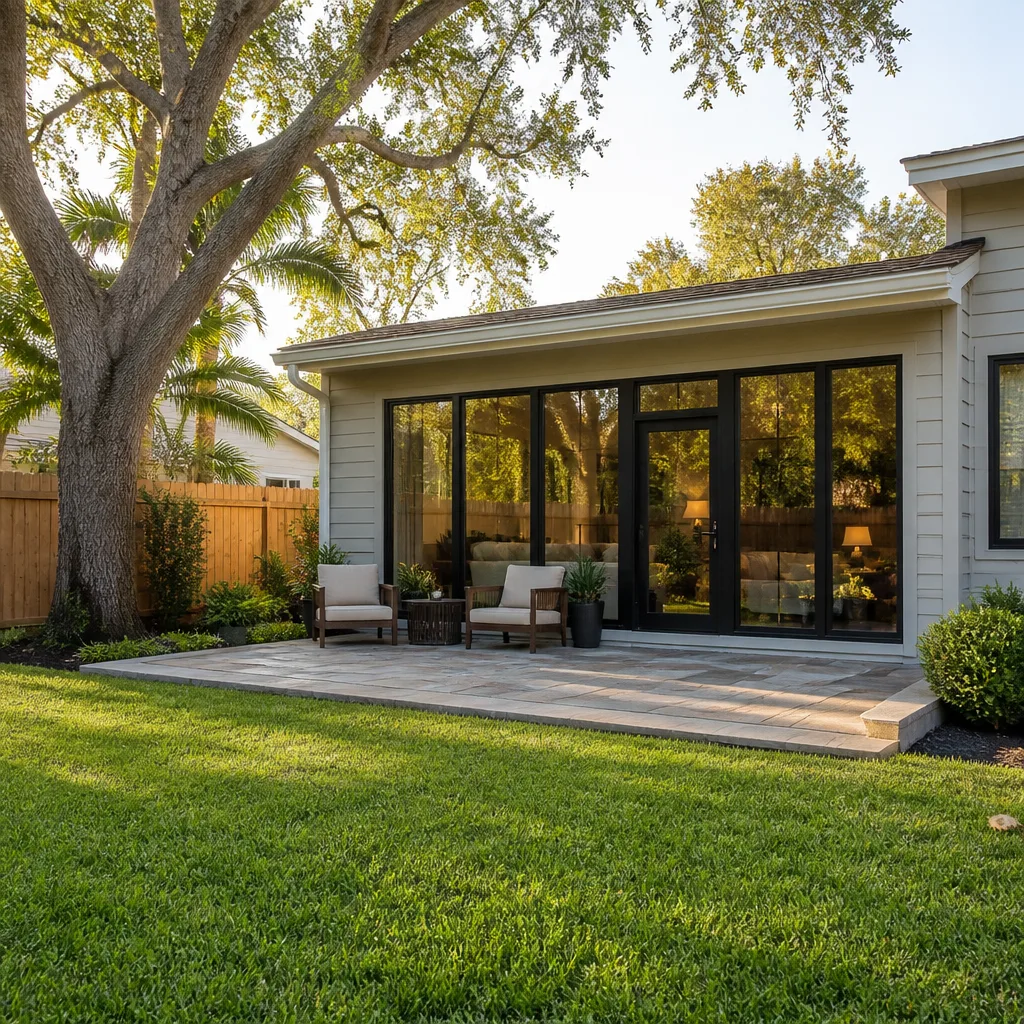
We plan, permit, and build IKO-compatible home additions and accessory dwelling units across Dallas, with most full additions running $45,000 – $130,000 and ADU construction falling between $90,000 – $220,000 depending on square footage, foundation work, and finish level. If you’ve got an existing IKO roof system and you’re planning to tie a new structure into it, the roofline integration is usually where we start, because getting that transition wrong is the most common cause of leaks down the line. Homeowners typically call us after they’ve outgrown their current floor plan or after an aging IKO shingle roof on the main house raises questions about whether a new addition should be reroofed to match at the same time.
Penhallow Remodeling Dallas is an independent general contractor and is not affiliated with IKO Industries. We do, however, work with IKO roofing products on a regular basis, and we understand how their shingle lines, underlayment specs, and ventilation requirements affect the design of a Dallas addition or detached ADU.
Which IKO Models This Applies To
IKO makes several shingle lines that turn up on Dallas homes, and the one you have changes how we approach the roof tie-in on your addition or ADU. The most common ones we see are Cambridge, Dynasty, Nordic, and Royal Estate. Each has a different exposure, thickness, and wind-rating profile, which matters when you’re matching an existing roof plane to a new one. If your existing roof is IKO Cambridge in dual black, for example, you don’t want a contractor nailing up a generic three-tab shingle that happens to look close at a glance. The color match will drift within two or three years, and the shadow line won’t line up.
The practical way to identify what you have is to check the shingle wrapper if any were left in the attic or garage, or look for the bundle label printed on the underside of a spare shingle. If you don’t have either, we can match from a photo or a quick site visit. On the OEM versus aftermarket question: for roofing materials tied into an IKO system, we strongly recommend staying with the same manufacturer rather than a look-alike substitute. The warranty on an IKO roof is tied to a complete IKO system installation, including their underlayment and starter strip. Mixing brands can void that coverage, which is a costly discovery to make after the fact. For interior finishes on the addition itself, that’s where we’re less bound to a single supplier. KraftMaid cabinets, Cambria or Silestone counters, and Kohler or Moen fixtures all work well in the spaces we’re adding on.
Styles & brands we work with







Signs Your IKO Home Additions & ADU Is Failing
If you already built an addition or ADU with an IKO roof and something is going wrong, here are the symptoms we see most often in Dallas:
- Dark streaks or granule loss on the addition’s roof but not the main house. This usually means the addition was reroofed with a cheaper shingle than the original IKO product, and the sun exposure on south-facing slopes in Dallas is eating through it faster. Granules protect the asphalt layer underneath; once they’re gone, the shingle bakes and cracks.
- Water staining at the seam where the addition ties into the original roof. This is the classic failure point on any addition. The flashing between the two roof planes wasn’t lapped correctly, or the step flashing against the sidewall wasn’t woven into the shingle courses. It leaks every time we get one of our Dallas downpour cycles.
- Doors or windows in the addition sticking seasonally. North Texas clay soil expands and contracts aggressively with moisture. If the addition was built on a slab without proper soil preparation or pier depth, you’ll see doors that won’t latch in March and gaps that open up by August.
- Uneven heating or cooling in the addition no matter how the thermostat is set. This points to duct sizing or insulation shortcuts during the original build. An ADU built in 2015 with R-13 batts in the walls will fight a Dallas summer forever compared to one with proper air sealing and R-19 or better.
- Cracking drywall at the corner where the new structure meets the old one. Some settling is normal, but recurring cracks that reopen after patching suggest differential movement between the two foundations. That’s a structural conversation, not a paint one.
See the difference
 Before
 After
After Before
 After
After Before
 After
AfterReplacement Cost & What’s Included
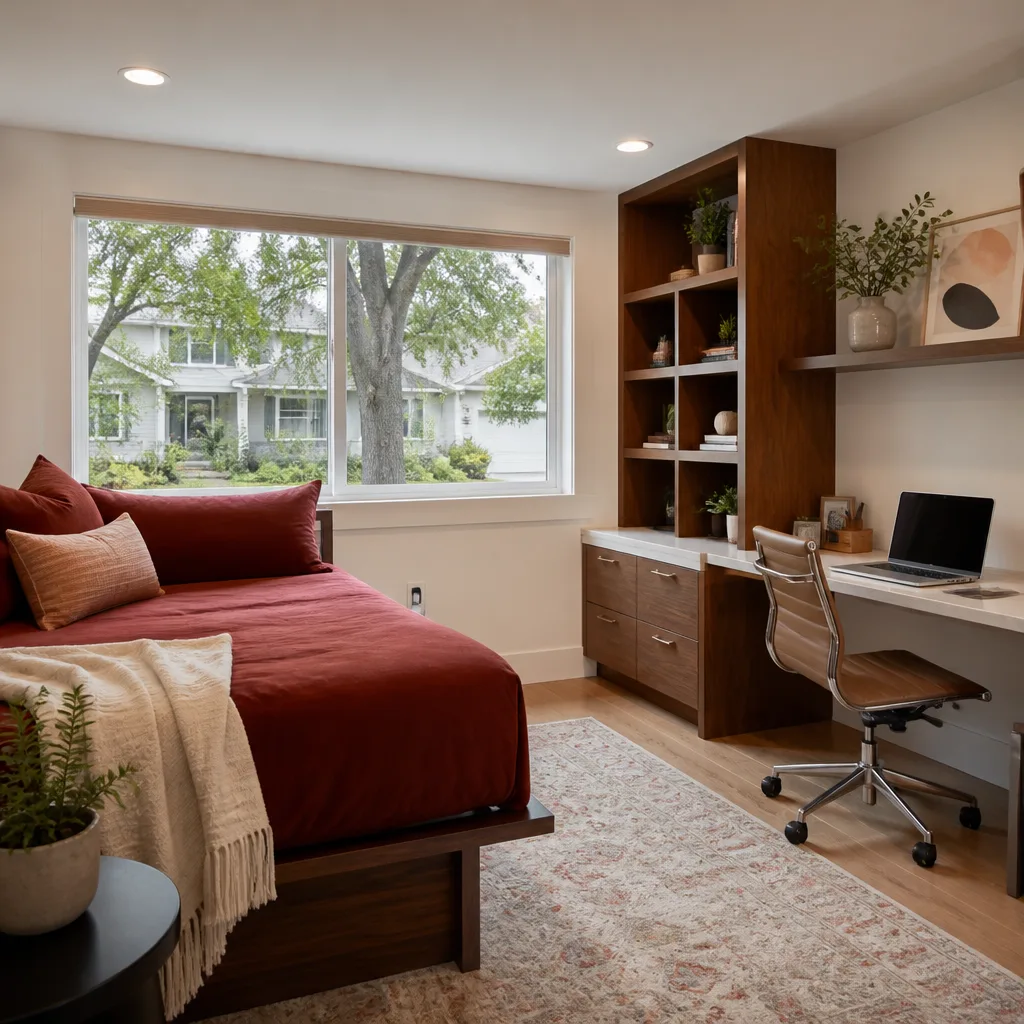
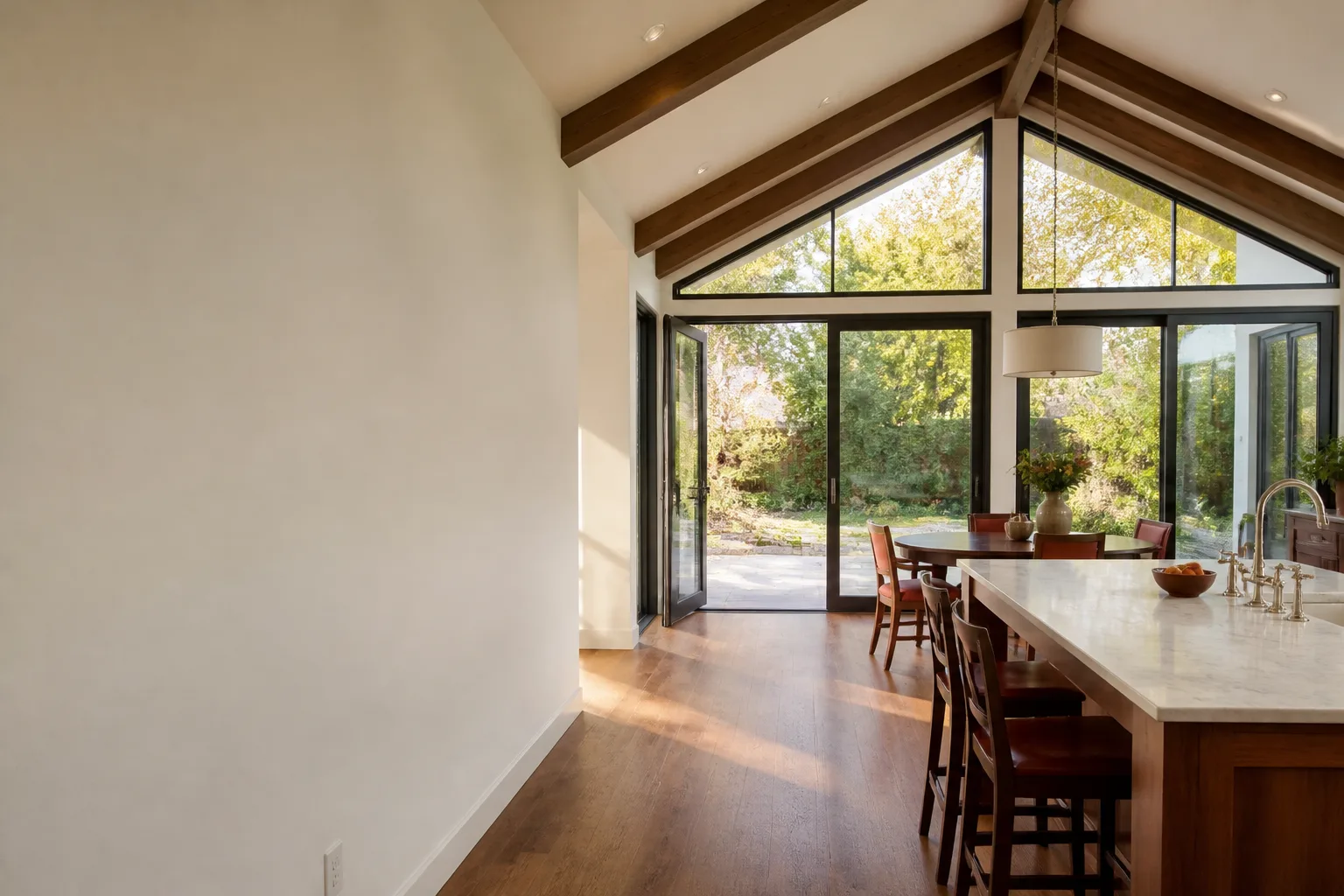
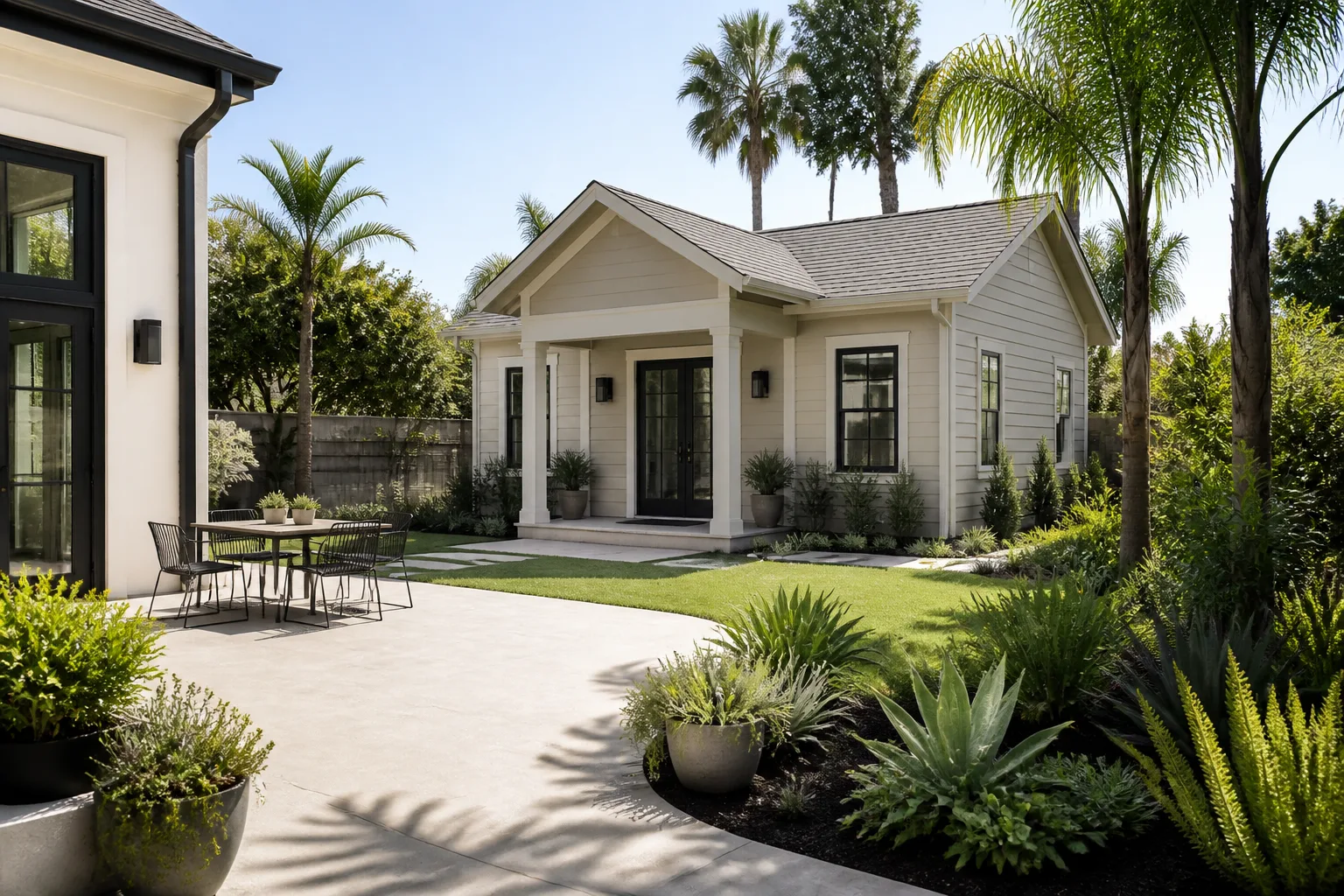
A full home addition in Dallas runs $45,000 – $130,000. A detached ADU runs higher, typically $90,000 – $220,000, because you’re starting from scratch with foundation, utility runs, and its own roof. For garage conversions, which are the most common way Dallas homeowners add living space without expanding the footprint, the range is $30,000 – $80,000 depending on whether the slab is sound and the existing walls can take insulation and drywall.
What drives the number up or down: square footage, whether you’re tying into existing plumbing and HVAC or adding capacity, the roof line (a simple shed roof costs less than a hip roof that has to match the main house), and finish level. A basic ADU with builder-grade finishes lands at the low end of that range; one with a full kitchen, tiled walk-in shower, and higher-end fixtures lands at the top. Every project gets a written line-item price before work starts, so you see exactly what each trade, permit, and material costs. And that number holds. No change orders unless you change the scope yourself. The work carries our 365-Day Done Right Promise: if something fails in the first year, we come back and fix it at no charge, in writing.
DIY or Call Us?
There’s very little about adding a room or building an ADU that a homeowner should attempt without a licensed general contractor. The roof framing, the tie-in to your existing IKO roof, the electrical panel load calculations, and the foundation work all carry real risk if done wrong. We’ve had callers in Dallas who thought they could save money by acting as their own GC on a garage conversion, then called us after a permit inspection failed twice and they were six months behind schedule. The savings disappeared fast.
What you can do before calling us is gather information: locate your property survey if you have it, check your HOA’s rules on ADUs if one applies, and measure the rough footprint you’re envisioning. That gives us a head start on a meaningful quote. Then call us at (940) 204-5368 and we’ll walk the site with you, talk through what’s realistic for your lot in Dallas, and put a written number in your hands before anything gets torn apart.
FAQs
An IKO architectural shingle like Cambridge or Dynasty, properly installed over IKO underlayment with adequate attic ventilation, will typically last 22 – 30 years on a Dallas structure, though south-facing slopes with no shade can shorten that by a few years. Hail is the bigger variable in North Texas. We recommend a roof inspection after any storm that drops hail larger than a dime anywhere near your neighborhood, whether you think you see damage or not.
In some cases yes, if the problem is localized. A flashing failure at the roof tie-in can often be corrected by re-lapping the flashing and replacing the affected shingles for $400 – $1,800 depending on how far the damage extends. Widespread granule loss, curling shingles, or leaks in multiple locations point to replacement, which for an addition roof usually runs $8,000 – $20,000 in Dallas depending on square footage and pitch. Call (940) 204-5368 and we’ll tell you which situation you’re in before recommending any work.
A simple garage conversion typically runs 6 – 10 weeks from demo to final inspection. A ground-up ADU runs 4 – 7 months including foundation, framing, utility runs, and finishes. We give you a written schedule alongside the written price, and we build to that schedule, not the one that sounds more optimistic in the driveway. The honest answer is that Dallas permitting times vary, and we build that into the timeline up front.
We don’t stock IKO shingles on a shelf, but we order through local Dallas supply houses that carry IKO products and can typically pull what’s needed within a few days. That rarely affects the timeline if the roofing phase is scheduled correctly. What we do keep consistent is our material standard across the board: KraftMaid and Wellborn for cabinets, Cambria and Silestone for counters, and James Hardie for siding, so the quality of what goes into your addition or ADU doesn’t shift from job to job.
Written by Trevor Nash, Owner, Penhallow Remodeling Dallas at Penhallow Remodeling Dallas, serving Dallas and nearby areas.


