
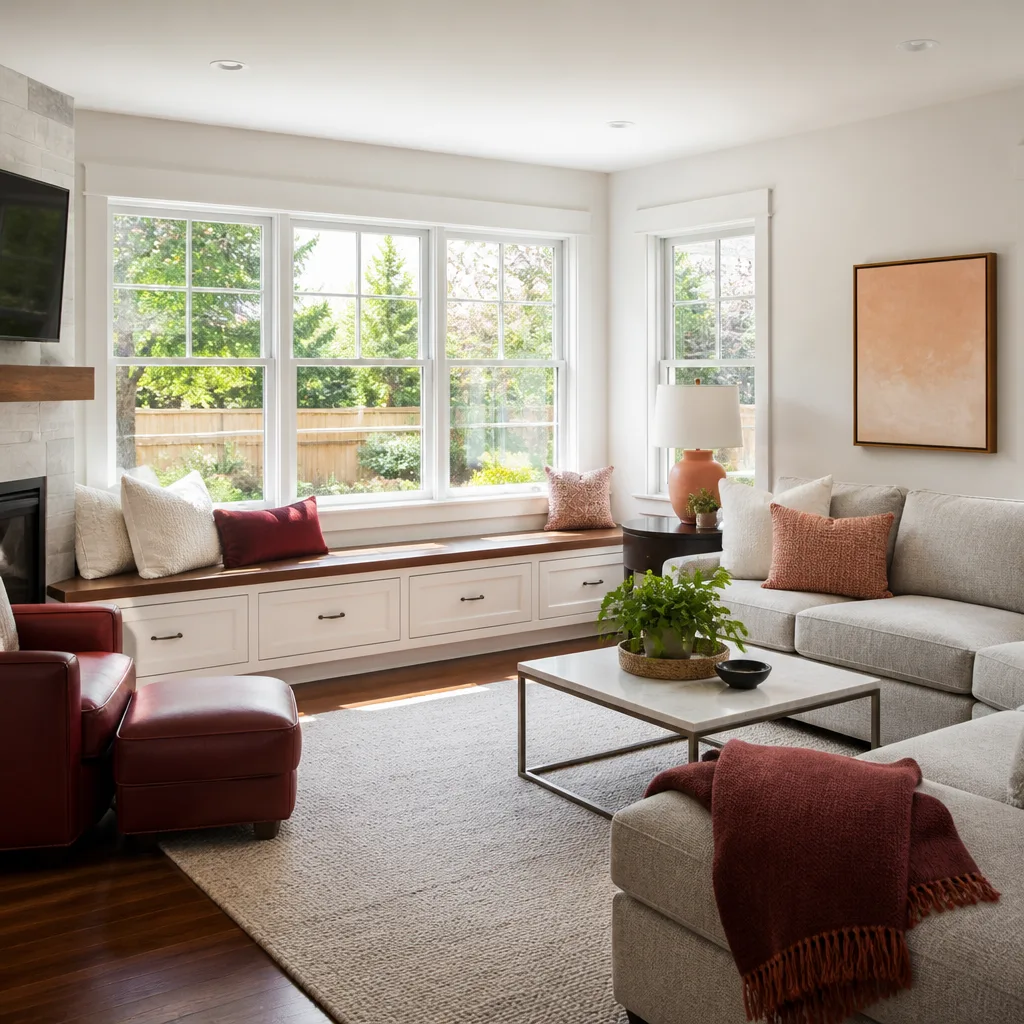
Free written scope consultation - allowances, timeline, and change-order rules on paper before a single trade is scheduled
CertainTeed Home Additions & ADU: The Dallas Owner’s Guide
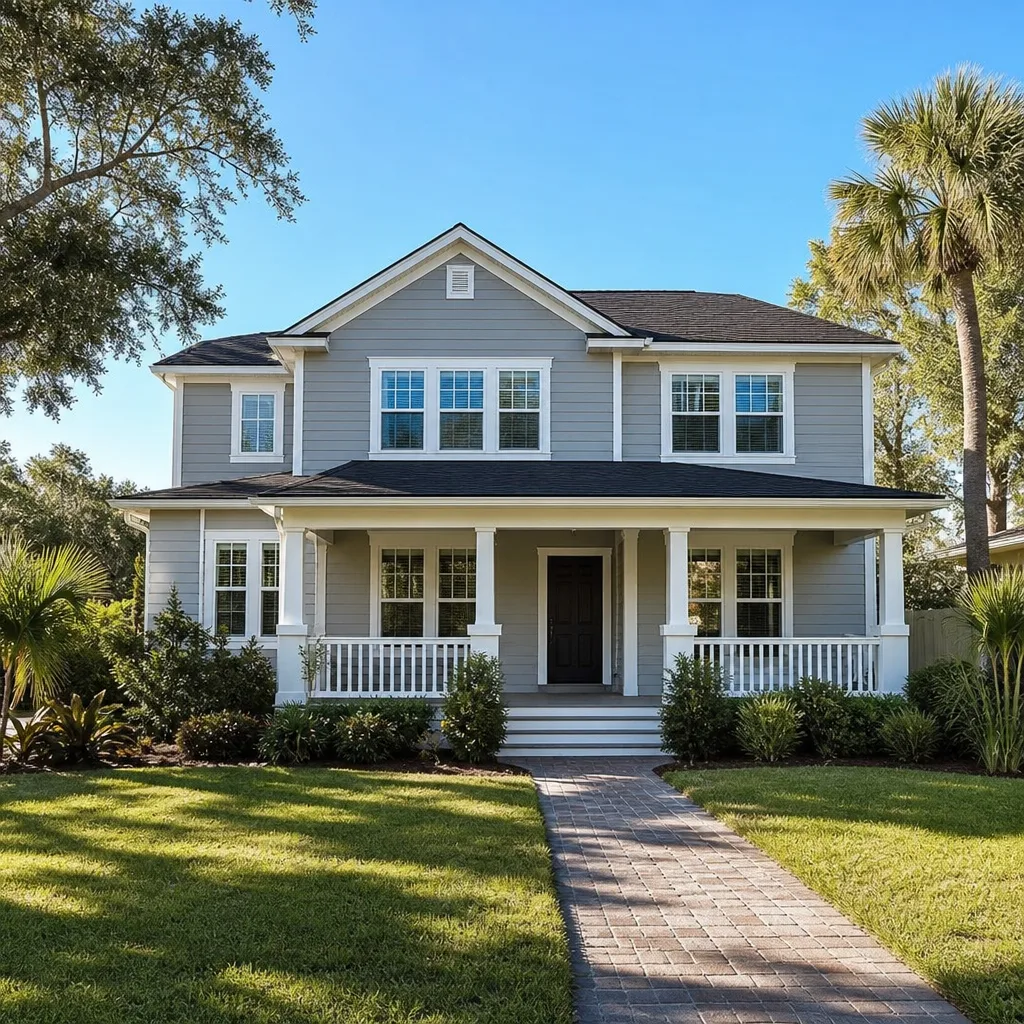
If you’re planning a home addition or ADU in Dallas with CertainTeed materials, you’re looking at an installed range of $45,000 to $130,000 for the addition itself, and $90,000 to $220,000 for a fully permitted ADU, depending on square footage, foundation type, and finish level. We install CertainTeed siding, roofing, insulation, and drywall products on additions and ADUs across Dallas, and we match the work to your existing home’s exact product lines. Most homeowners call us after discovering their planning has a compatibility problem: the original siding profile was discontinued, the roof pitch won’t take standard flashing, or the addition’s wall assembly doesn’t meet Dallas energy code without a specific CertainTeed insulation spec. That’s where doing this work once, with the right materials, saves you from a six-figure mistake.
One thing up front: Penhallow Remodeling Dallas is an independent general contractor, not a CertainTeed dealer or affiliate. We install CertainTeed products because the warranty paperwork and material tolerances are consistent enough that we can write a real guarantee behind them, which is what matters when you’re spending this kind of money.
Which CertainTeed Models This Applies To
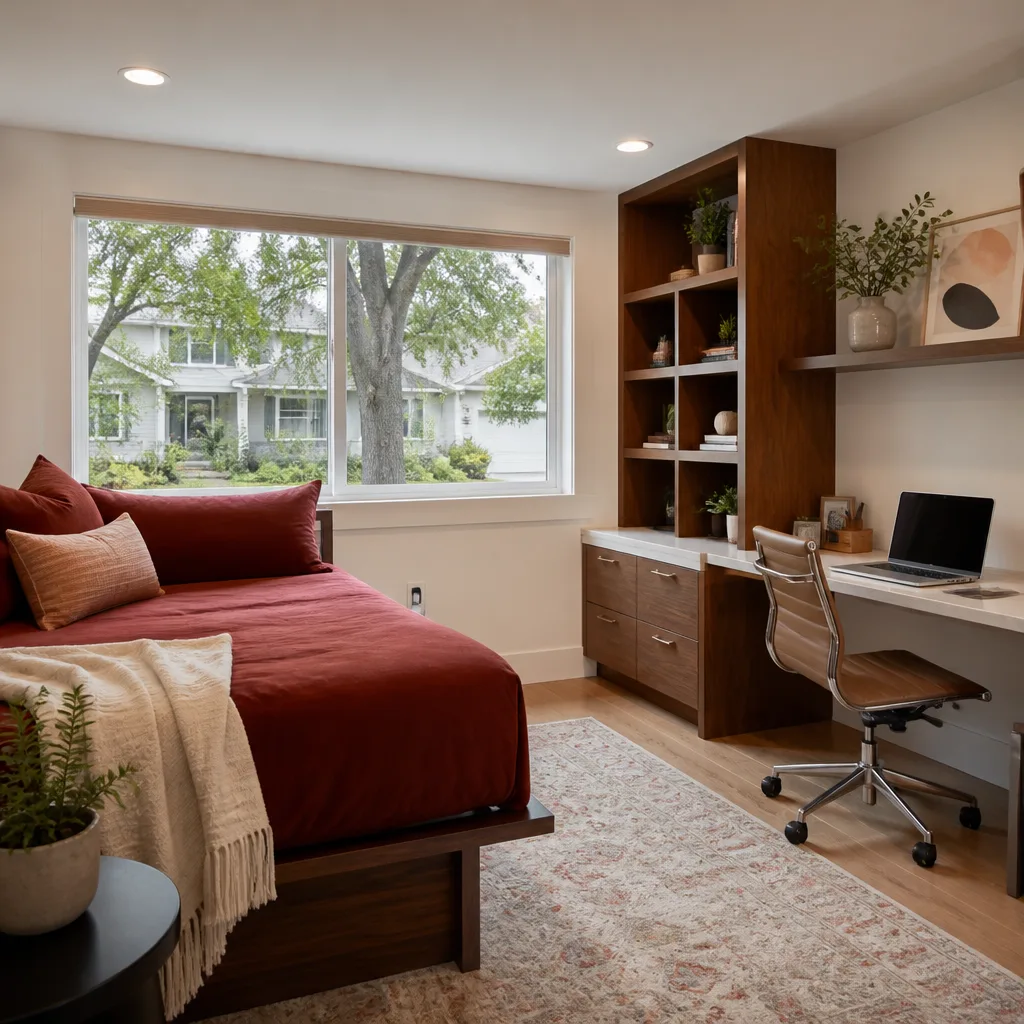
The compatibility question is the single most common place Dallas homeowners get burned on additions. CertainTeed makes dozens of siding profiles, shingle grades, and insulation densities, and not all of them are made any more. Here’s what actually matters when you’re matching an addition to an existing home:
- CertainTeed vinyl and polymer siding: The Monogram and CedarBoards lines are what show up most often on Dallas homes built since about 2005. If your house has Monogram D4 or D5 profile, you need the exact profile match, or the laps won’t seat correctly where the addition ties in. CedarBoards is seven inches wide; anything else will look wrong from the curb and on inspection.
- CertainTeed Roofing: Landmark and Landmark Pro shingles are common in Dallas because the architectural profile handles wind better than three-tab. If your addition ties into the same roof plane, you need the same shingle line, and ideally the same lot color code. A roof tie-in done with a “close enough” color reads as a patch job for twenty years.
- CertainTeed drywall and insulation: Sustainable Insulation batts and ProRoc drywall are the most common interior spec for Dallas ADUs that have to meet the IECC 2021 energy code the city adopted for accessory structures. The gotcha is that a detached ADU in Dallas needs R-13 minimum on walls and R-38 minimum in the attic; if you frame at 2×4 without planning for the insulation depth, you fail the energy inspection and the fix costs real money after drywall is up.
We can identify what you have by walking the existing home and checking the product codes printed on the back of a siding sample or the factory edge of the roof decking. Most homeowners never keep the original product codes, which is exactly why we handle the match as part of the estimate rather than asking you to order the wrong thing from memory.
Styles & brands we work with







Signs Your CertainTeed Home Addition or ADU Plan Is Failing Before It Starts
Most failed additions don’t fail after they’re built. They fail in the planning phase, and the symptoms are predictable. Here’s what we see across Dallas, from Oak Cliff bungalows to newer builds near White Rock Lake:
- Your contractor can’t name the matching siding profile. If the person writing your estimate says “we’ll match it close enough,” walk away. CertainTeed profiles are not interchangeable; a mismatched lap line is a permanent visual defect and a water intrusion risk at the transition joint.
- The energy calc doesn’t cite a specific insulation R-value. Dallas requires a code review on ADUs, and additions need to meet current IECC for the new envelope. If the plan just says “insulate,” it will not pass the plan check.
- The roof tie-in detail is verbal, not drawn. Where new roof meets old roof is the most common leak source in Dallas additions. If the roofer can’t show you a flashing detail on paper, that’s a red flag.
- No one has checked foundation movement. Dallas clay soil expands and contracts aggressively. An addition on a pier-and-beam foundation next to a slab section moves differently, and the tie-in has to account for differential movement, or you will see cracking at the seam within two summers.
- Permits are “your responsibility.” In Dallas, a contractor doing a $45,000+ addition without pulling permits is not doing you a favor. Unpermitted additions reduce resale value and can kill a real estate transaction.
See the difference
 Before
 After
After Before
 After
After Before
 After
AfterReplacement Cost & What’s Included
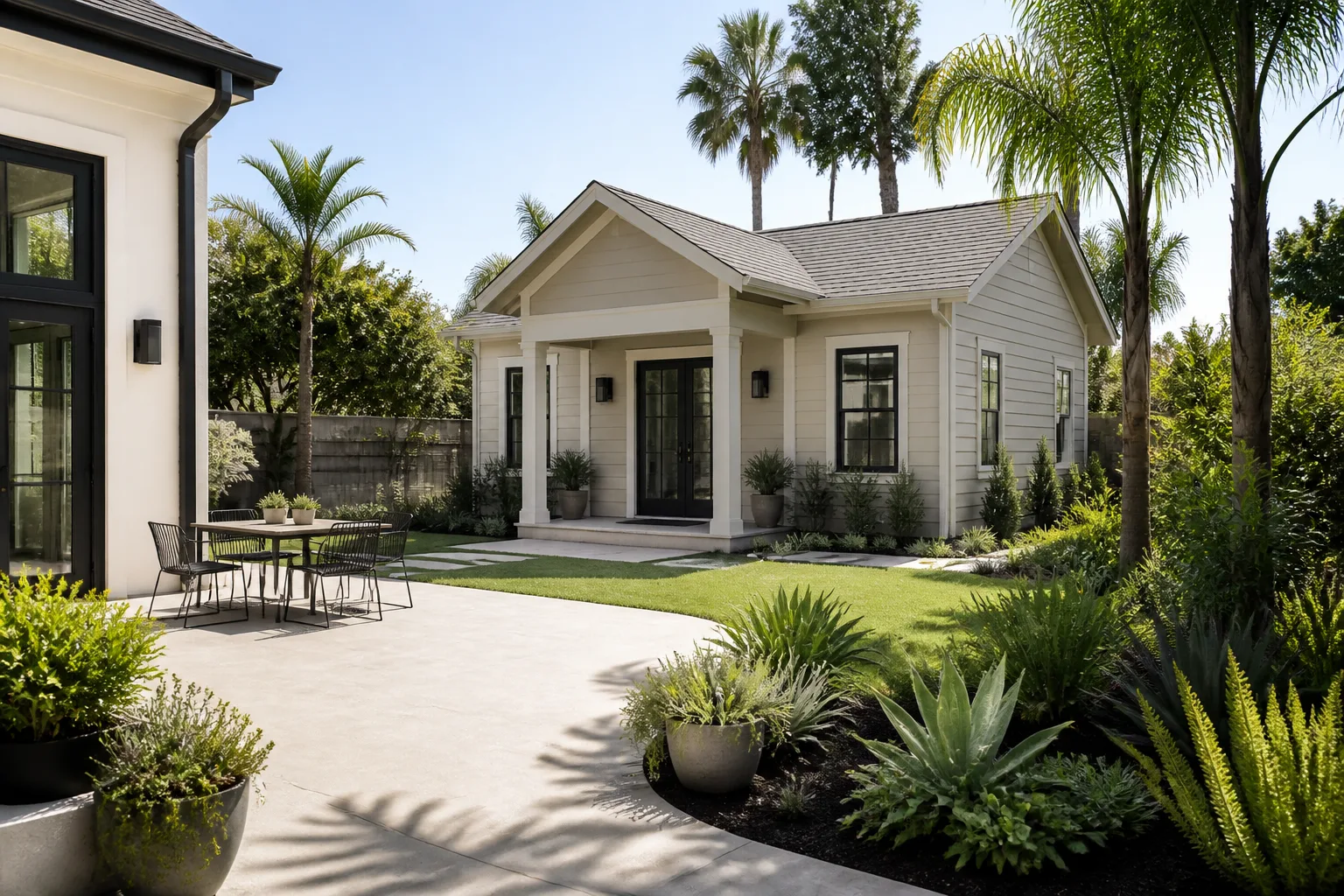
In Dallas, a CertainTeed-compatible home addition runs $45,000 to $130,000, and a detached ADU runs $90,000 to $220,000. The spread is driven by square footage, foundation type, whether the addition ties into the existing roof or gets its own roofline, and the finish level you select. A smaller bedroom suite addition tied to existing plumbing and roof lines sits near the bottom of that range. A full second-story addition with a bathroom, new HVAC zone, and a roof rework hits the top.
What we include in the written price: all CertainTeed materials matched to your existing home, site work, concrete or pier foundation, framing, roofing tie-in, electrical, plumbing where applicable, insulation and drywall, siding, paint, a defined arrival window, and the permit set. Our pricing is different from the verbal model you may have heard elsewhere: the number we give you in writing before work starts is the number on the final invoice. If something comes up on the job that could change scope, we stop, show you the issue, and hand you a new written number. No change orders at the back door. Every project includes the 365-Day Done Right Promise in writing: if the work fails inside that year, Penhallow returns and fixes it at no charge.
DIY or Call Us?
For a DIY homeowner, the honest split looks like this: you can do the planning homework. Research your lot’s setback requirements, check the Dallas brownfield overlay if your lot is in an older corridor, and start collecting the product codes from your existing home. You should not attempt to draft the structural drawings, pin a foundation to Dallas clay without a soils report, tie a new roof into your existing shingles, or run the electrical and plumbing if you want the ADU to pass inspection and hold value. A poorly flashed roof tie-in leaks inside the first year, and the repair means tearing out finished work. The framing hammer I picked up at fourteen in Los Angeles taught me early: some things you learn by doing, and some things you learn by watching the first one fail. This job is the second kind.
If you have an addition or ADU on the table in Dallas, call (940) 204-5368 and I’ll walk through what’s involved. You’ll get a written price before any work starts, which is the only way we begin anything.
FAQs
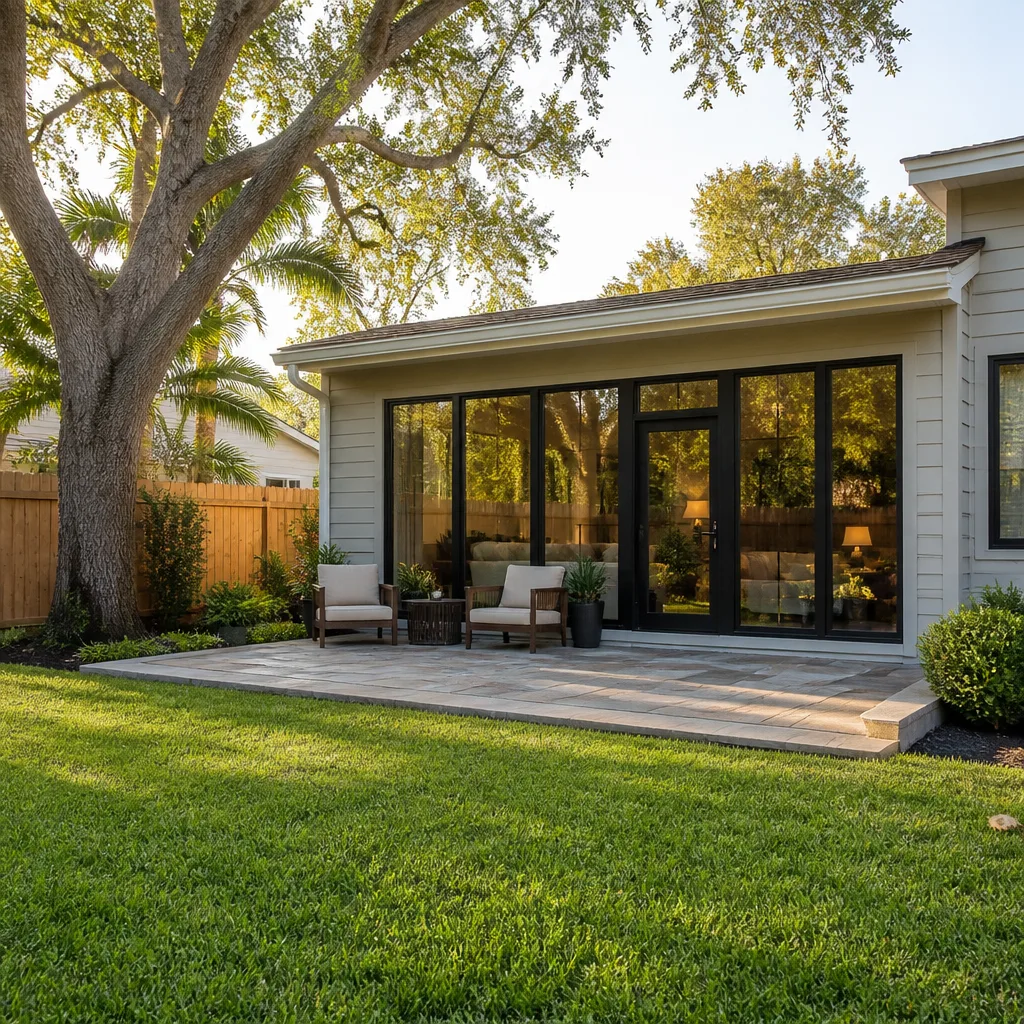
A properly built Dallas addition with CertainTeed Landmark shingles, Monogram or CedarBoards siding, and code-compliant insulation should go 30 to 50 years before major envelope work, though the foundation and drainage are what determine whether it lasts in our clay soil. We build foundation, flashing, and moisture management on every addition with that longevity in mind, and our 365-Day Done Right Promise covers the work for the first year, when material and workmanship defects show themselves. Call (940) 204-5368 to talk through what a long-life addition looks like for your house.
Yes, and the answer depends on what failed. Roof tie-in leaks, improper flashing, and energy-code failures can usually be repaired without rebuilding, and we can re-side or re-roof in matched CertainTeed material if the original install was wrong. The threshold for rebuild is structural: if the foundation was not built for Dallas clay and the movement has cracked bearing walls, repair gets complicated. We will tell you which side you are on before you spend a dollar. Call (940) 204-5368 to have us look.
A single-story addition typically runs 8 to 14 weeks from notice to proceed, and a detached ADU often runs 4 to 6 months including permits, foundation, and utility work. The schedule we quote includes the defined arrival window and the permit timeline, and we do not quote the short driveway schedule and then stretch it. Call (940) 204-5368 for a timeline specific to your project.
We don’t warehouse CertainTeed inventory, because the correct move is to order exact-match product for your specific home rather than pulling from stock and hoping the profile and color line up. For additions and ADUs, we order CertainTeed siding, shingle, insulation, and drywall once your measurements are confirmed and the written price is approved. We also work with other trade brands on projects, including KraftMaid cabinetry, Cambria countertops, and Silestone surfaces, so your interior finish is handled under the same written guarantee. Call (940) 204-5368 and we’ll walk the house and get the match right.
If you’re planning an addition or ADU in Dallas, call (940) 204-5368. We will walk the property, check your existing CertainTeed profiles against what’s current, and hand you a written price before any work begins. That’s the only way I know how to start: give you a number before I pick up a tool.
Written by Trevor Nash, Owner, Penhallow Remodeling Dallas at Penhallow Remodeling Dallas, serving Dallas and nearby areas.


