
Free written scope consultation - allowances, timeline, and change-order rules on paper before a single trade is scheduled
Cambria Home Additions & ADU: The Dallas Owner’s Guide
Cambria quartz is a premium surface, but when you’re building a home addition or ADU in Dallas, the countertop is only one piece of a much bigger picture. The real question most homeowners come to us with is whether their Cambria countertops can be extended, matched, or integrated into a new space, and what that full project costs. For a Dallas home addition that includes Cambria surfaces, you’re looking at $45,000 – $130,000 for the addition itself, with countertop work typically adding $2,000 – $6,500 depending on square footage and edge profile.
Here’s the situation we see most often: a homeowner has Cambria quartz in the existing kitchen, decides to bump out the back wall or build a detached ADU, and suddenly realizes the new space needs surfaces that either match the old Cambria or complement it. What fails first isn’t the Cambria itself, it’s the planning around it. Cambria is a quartz product, which means it’s extremely durable, but it’s not a material you can cut on site and expect a seamless match to a slab that was installed five years ago. We’ll get into why that matters below.
Which Cambria Designs and Applications This Applies To
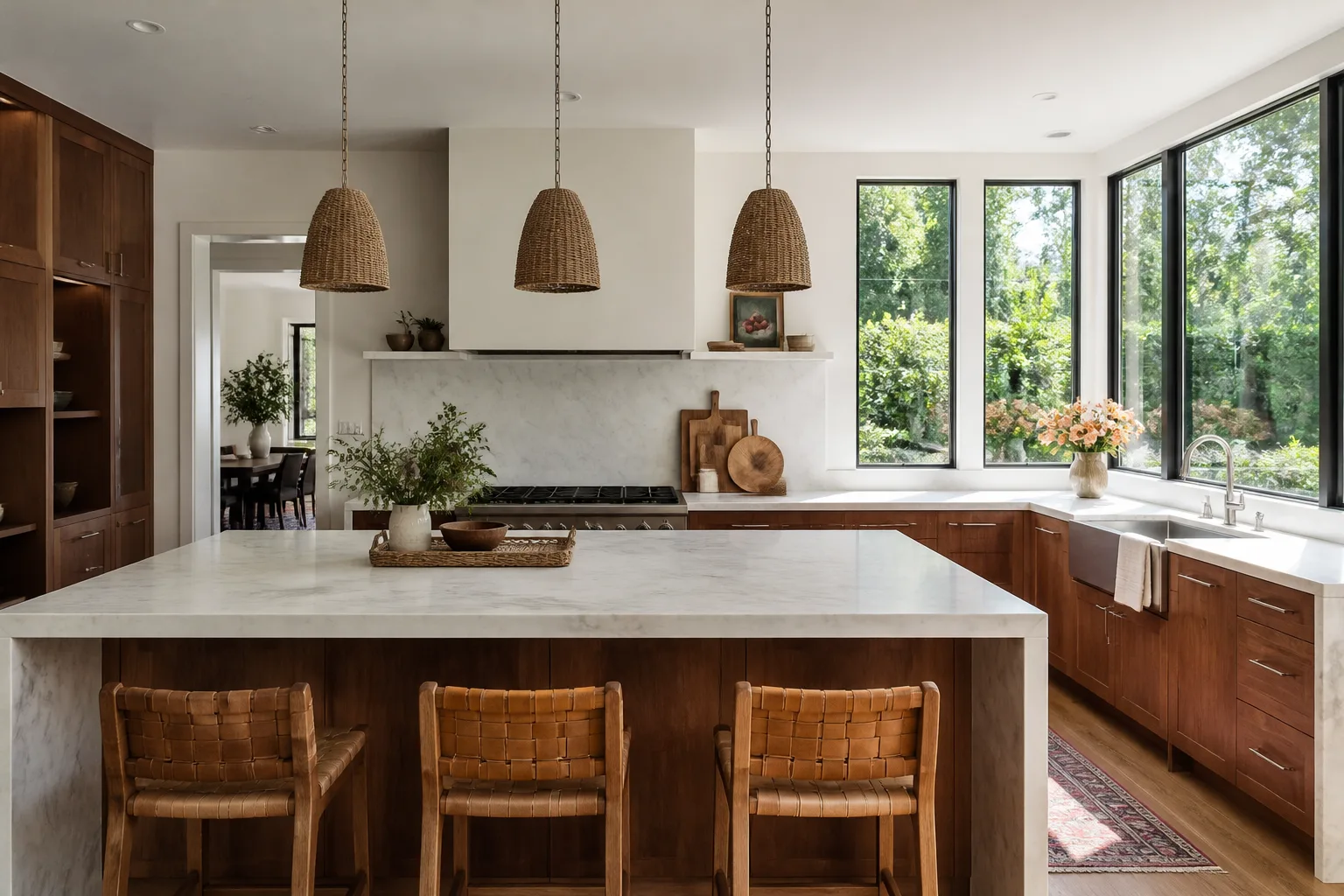
Cambria produces quartz slabs in over 160 designs, and every single one has a specific slab size: 132 inches by 65.5 inches, with thicknesses of 1 cm, 2 cm, and 3 cm. Most Dallas homes we work on have 3 cm Cambria in the kitchen, which is the standard for countertop installations that don’t require a plywood subtop. When you’re adding square footage to a home or building an ADU, that 132-inch slab length matters because it determines whether your new island or bathroom vanity can be cut from a single slab or whether you’re buying two slabs and dealing with a seam.
Here’s the compatibility issue that trips up a lot of Dallas homeowners: Cambria designs are produced in batches, which means the exact same design name, say “Brittanicca” or “Torquay,” can have slight color and veining variations from one production run to the next. If your kitchen has Cambria that was installed in 2019 and you’re adding a wet bar or ADU kitchenette in 2025, you cannot assume a new slab of the same design will be a perfect match. You need to see a current sample and compare it against your existing counters in natural light before committing.
For ADU projects specifically, we’ve found that many Dallas homeowners choose a complementary Cambria design rather than trying to match the main house exactly. The ADU becomes its own space with its own character, and that’s often a better outcome than living with a near-match that looks off.
Styles & brands we work with







Signs Your Cambria Home Addition or ADU Project Is Heading Off Course
- The seam placement was never discussed. Cambria slabs are huge, but not infinite. If your addition adds a 9-foot island, that’s two slabs or at least one seam. A seam that falls in the wrong place, like right in front of the sink or across a high-traffic prep zone, is a sign the fabricator didn’t plan the slab layout before cutting.
- Your existing Cambria has a chip or crack near the expansion joint. Dallas clay soil moves. When a room addition shifts slightly over the first two years, a rigid quartz countertop across an expansion joint can crack. If your existing Cambria shows a hairline crack near a wall line or floor transition, that movement needs to be addressed before any new Cambria goes in.
- The overhang wasn’t supported properly. Cambria 3 cm quartz can overhang up to 14 inches with proper support brackets. We see additions where a breakfast bar overhang sags because someone skipped the corbels or used undersized brackets. That sag eventually becomes a crack.
- The new space has different cabinet heights than the old space. This sounds obvious, but when a Dallas room addition gets framed and drywalled, cabinet elevations can drift. Cambria needs a flat, level cabinet run. If the cabinets in the new space are off by even a quarter inch, you’ll see gaps under the quartz or stress cracks within a year.
- The color difference between old and new Cambria is visible from across the room. If your new slab of the same design doesn’t match the old one and no one flagged that before cutting, that’s a fabrication process failure. A good installer brings the sample, shows you the variation, and gets your sign-off before the slab touches the saw.
See the difference
 Before
 After
After Before
 After
After Before
 After
AfterReplacement and Addition Cost & What’s Included
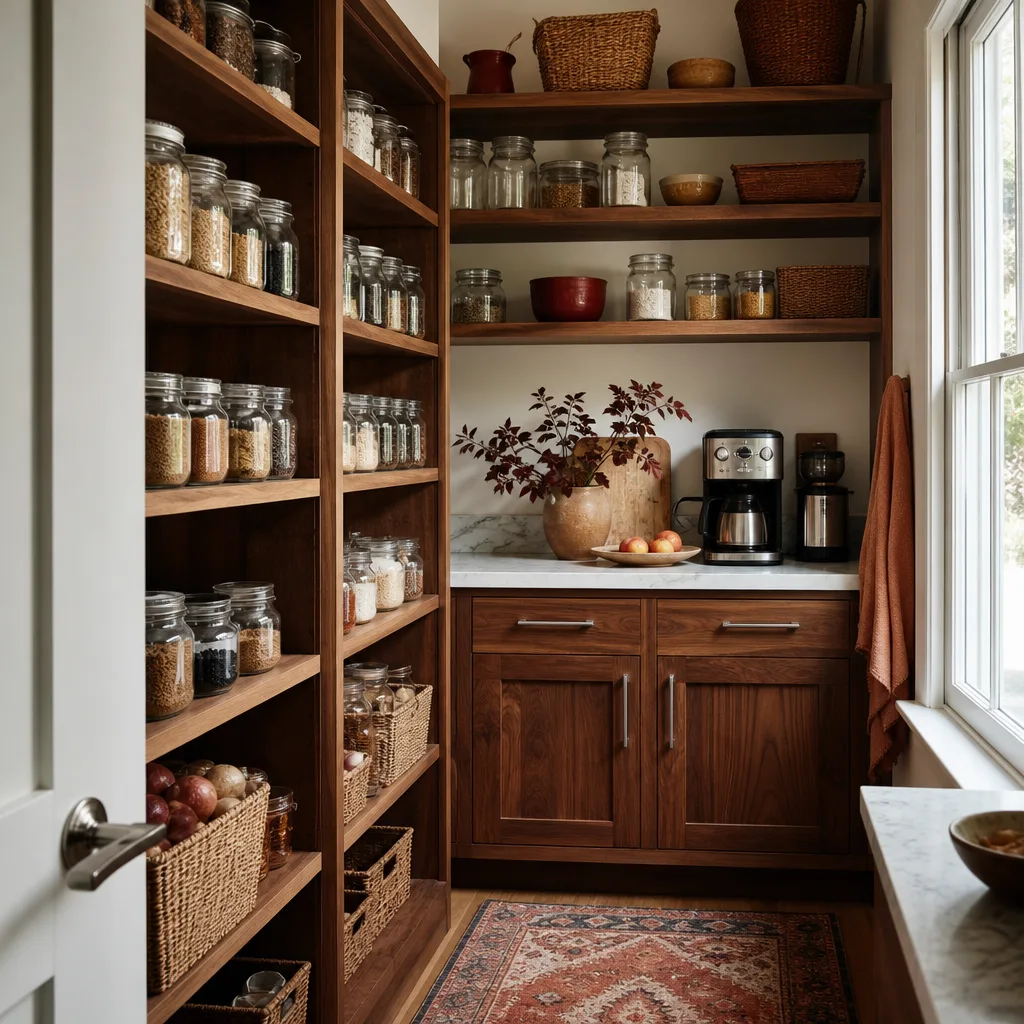
In Dallas, a full home addition runs $45,000 to $130,000, and that range is driven by foundation type, roofline tie-in, and whether we’re dealing with a crawlspace, slab, or pier-and-beam. An ADU in Dallas typically lands between $90,000 and $220,000 depending on whether it’s a garage conversion, a detached new build, or an attached suite. Cambria countertop work inside that addition adds $2,000 to $6,500 for typical surfaces; the variables are square footage, edge profile, slab count, and whether you’re doing a single run or multiple rooms.
What’s included when Penhallow Remodeling Dallas handles your Cambria work: a written price before any cutting happens, template and measurement, slab fabrication, sink cutout, faucet holes, installation, and a written guarantee on the installation. If the seam fails or the stone moves inside the first year, our 365-Day Done Right Promise means we come back and fix it, at no charge, in writing. That’s the standard Trevor Nash holds every Dallas job to.
DIY or Call Us?
Cambria quartz is not a DIY material. It’s heavy, a full slab weighs over 600 pounds, and cutting it requires water-fed diamond tooling that most homeowners don’t own and shouldn’t rent on a Saturday. What you can do safely: check your existing Cambria for chips or cracks, measure your current countertop dimensions, and verify that your cabinet runs are level with a 4-foot level. That information helps us give you an accurate written quote before the first cut.
Here’s what we’d caution against: trying to extend an existing Cambria run with a different material and hoping it looks intentional. We’ve seen it look good exactly once, and the homeowner still wishes they’d matched it. If you’re in Dallas and the Cambria surface in your new addition matters to you, this is a job for a fabricator who has done it hundreds of times. Call (940) 204-5368 and we’ll walk you through what’s possible, what it’ll cost, and what the timeline looks like.
FAQs
Cambria quartz is a non-porous engineered stone, and with normal use it should last 25 years or more without staining or significant wear. The bigger variable in Dallas is the substrate and support under the quartz; if the cabinets and framing are solid and the slab is properly supported, the Cambria itself should outlast the rest of the addition.
Small chips and hairline cracks in Cambria can often be repaired with color-matched resin fill, and we do that regularly for Dallas homeowners who want to keep their existing counters during an addition. If the crack runs through a stress point or the slab is delaminating at a seam, replacement is the honest recommendation. Give us a call and we’ll tell you straight.
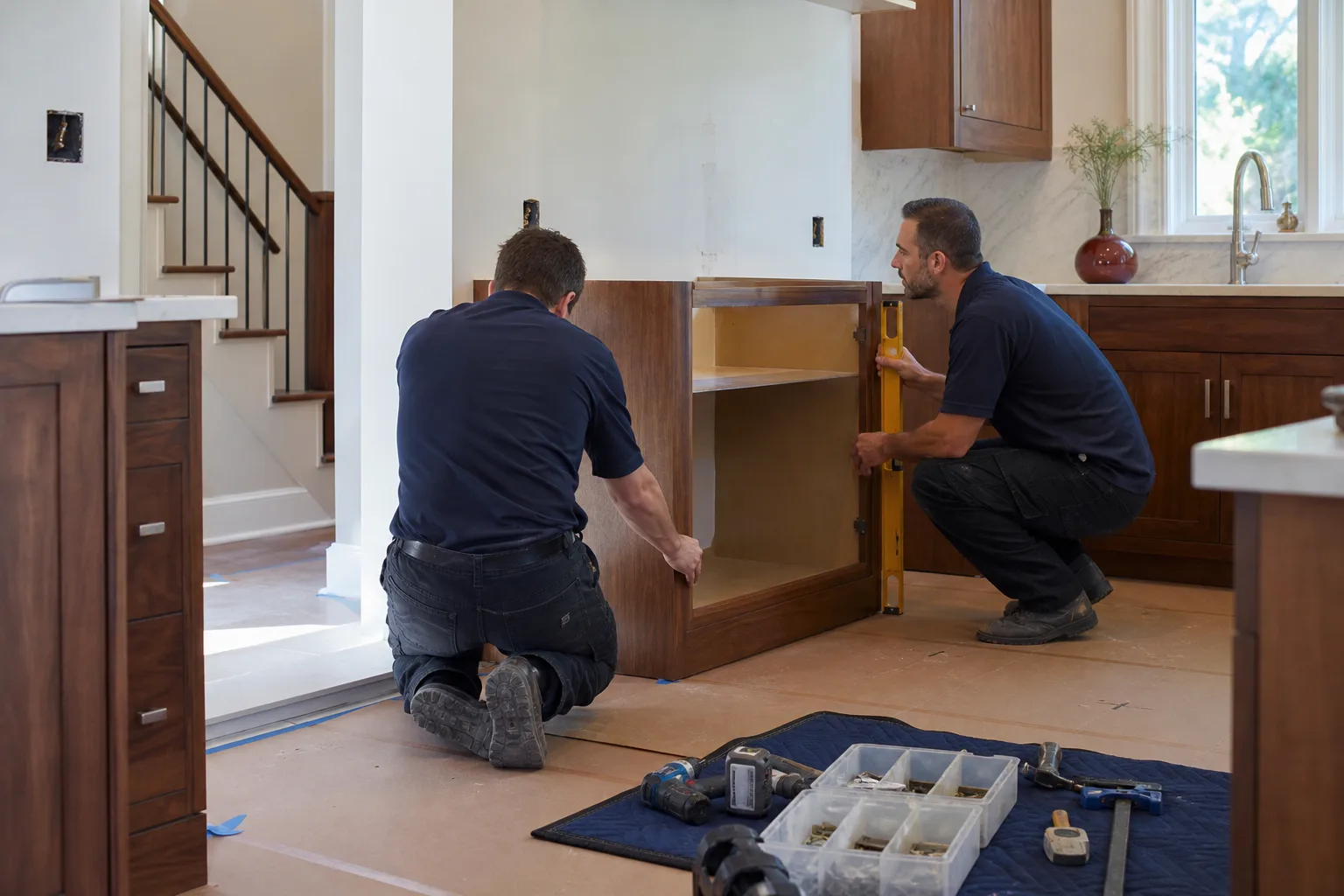
Once cabinets are installed and the slab is selected, templating takes about an hour, fabrication takes 5 to 10 business days, and installation is usually a one-day job for a kitchen or two-day job for a whole addition. The full addition timeline is a separate conversation, but the Cambria portion moves quickly once we have the slab in hand.
Penhallow Remodeling Dallas is an independent remodeler, not affiliated with Cambria. We source Cambria slabs through local Dallas fabricators and distributors, and we also work with Silestone, Caesarstone, and other quartz brands, along with KraftMaid cabinetry and Kohler fixtures. If you want a specific Cambria design, we can typically secure the slab within a week or two, depending on current distributor stock in the Dallas market.
If your Cambria project in Dallas is headed toward a new addition or ADU, call (940) 204-5368 for a free estimate. Give you a number before we pick up a tool, that’s the only way we know how to start.
Written by Trevor Nash, Owner, Penhallow Remodeling Dallas at Penhallow Remodeling Dallas, serving Dallas and nearby areas.


