
Free written scope consultation - allowances, timeline, and change-order rules on paper before a single trade is scheduled
Caesarstone Home Additions & ADU: The Dallas Owner’s Guide
If you’re planning a home addition or ADU in Dallas with Caesarstone surfaces, you’re looking at a full project cost of $45,000 to $130,000 for the addition itself, with Caesarstone countertops typically running $2,000 to $6,500 installed depending on slab size, edge profile, and the specific Caesarstone series you choose. We work with Caesarstone, Cambria, Silestone, and KraftMaid products on these builds, and we’ll give you a written price before any demo starts. Most Dallas homeowners reach out after a bad experience: a contractor who quoted a number over the phone, then “discovered” problems after the footing was poured. That’s not how we operate.
What usually brings someone to a page like this is a specific problem. Maybe the Caesarstone seam in your old addition has separated. Maybe you’re adding a mother-in-law suite and want the Caesarstone in the new kitchen to match the main house. Or maybe a previous contractor installed Caesarstone over a subfloor that wasn’t level, and now you’re seeing hairline cracks at the overhang. We’ve fixed all three in Dallas, from homes in Lake Highlands to new builds out in Prosper.
Which Caesarstone Models This Applies To
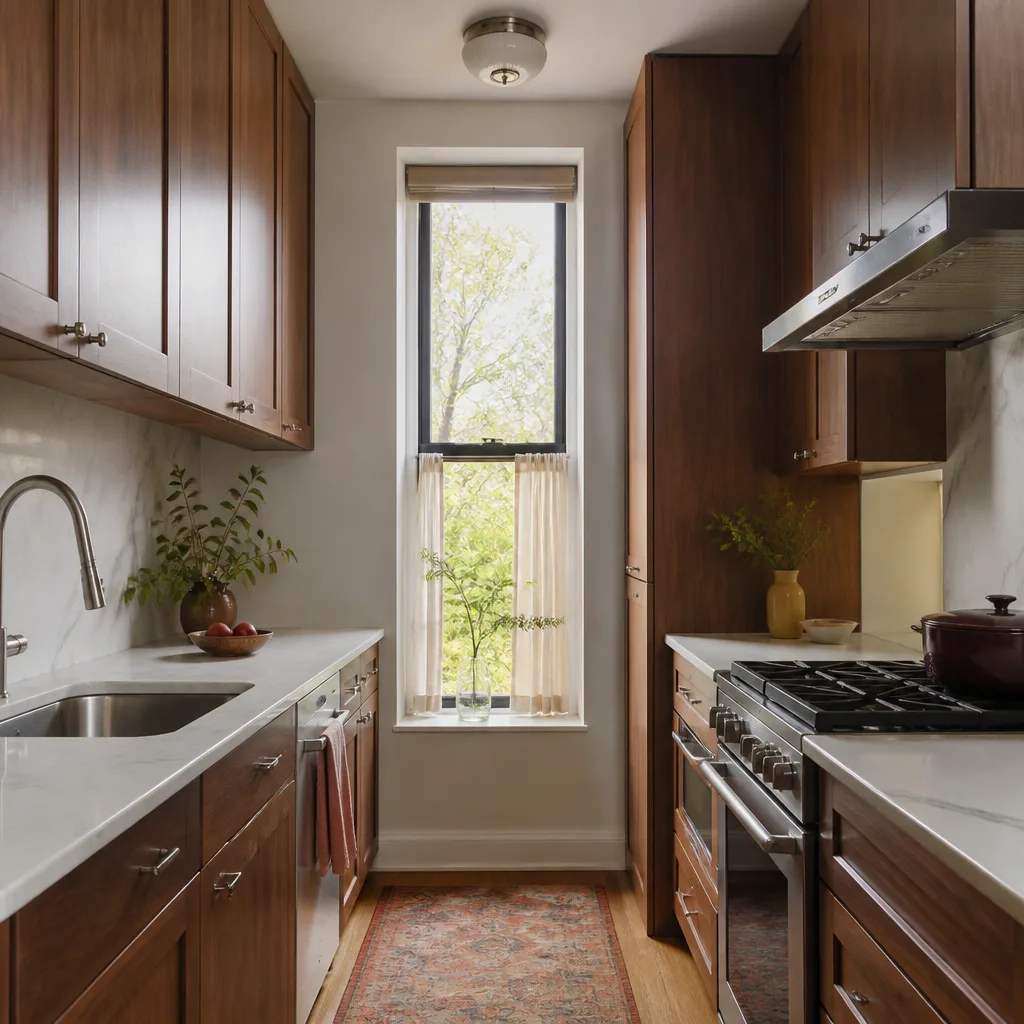
Caesarstone has shifted its catalog significantly over the last decade. If your existing surface is from the Classico or Supernatural series, those slabs ran 2cm or 3cm thick, and the color codes (like 2141 Frosty Carrina or 5100 Blizzard) matter when matching a new addition. The newer Outdoors Collection and Metropolitan series use a different resin formulation and are generally only available in 2cm, which affects edge buildup and overhang limits. Here’s the compatibility gotcha: if you’re matching an older Caesarstone color to a new slab for an addition, the dye lots won’t match perfectly. Quartz is manufactured, so the base color is consistent, but subtle veining shifts between production runs. We always order the new slab from the same color code and set expectations that a seam will still be visible. Anyone who tells you a Caesarstone seam will be invisible is not being straight with you.
For ADU kitchens, we typically recommend OEM Caesarstone slabs over aftermarket quartz lookalikes. The reason is warranty integrity. Caesarstone’s residential warranty, depending on the series, covers manufacturing defects for a set term, but if a fabricator installs a substitute slab and tells you it’s Caesarstone, you’ve lost that layer of protection. We’re an independent contractor, not affiliated with Caesarstone, but we buy from the same regional distributors in the Dallas metro that the Caesarstone warranty recognizes.
Styles & brands we work with







Signs Your Caesarstone Home Addition or ADU Is Failing
- Crack at the sink cutout or corner radius. This is the classic failure point. Quartz is dense and brittle, not flexible. If the cabinet underneath settled, or the fabricator left an inside corner too sharp, stress concentrates there and cracks propagate. In Dallas’s expansive clay soil, slab movement under the foundation makes this worse.
- Seam separation between two slabs. Caesarstone seams are glued with a color-matched epoxy. When they separate, it’s usually because the supporting cabinets weren’t level, the substrate (the layer under the stone) flexed, or the adhesive was applied too thin. The fix is not just re-gluing; you need to address why the two halves are moving independently.
- Chalky haze or etching that won’t clean off. Caesarstone is non-porous, so a dull film usually means a previous owner used an acidic cleaner or a scouring pad, which breaks down the glossy finish. It’s repairable with a quartz polish, but you’re polishing the surface, not just cleaning it.
- Visible lippage at the seam. If you can catch a fingernail on a seam, the two slabs were not coplanar when installed. That’s an installation defect, not a Caesarstone defect, and it will collect grime and eventually chip.
- Water damage below the counter from a bad sink mount. If your under-mount sink is pulling away, the silicone bead has failed. You’ll see swollen cabinet panels or a musty smell under the sink before you see the stone fail.
See the difference
 Before
 After
After Before
 After
After Before
 After
AfterReplacement Cost & What’s Included
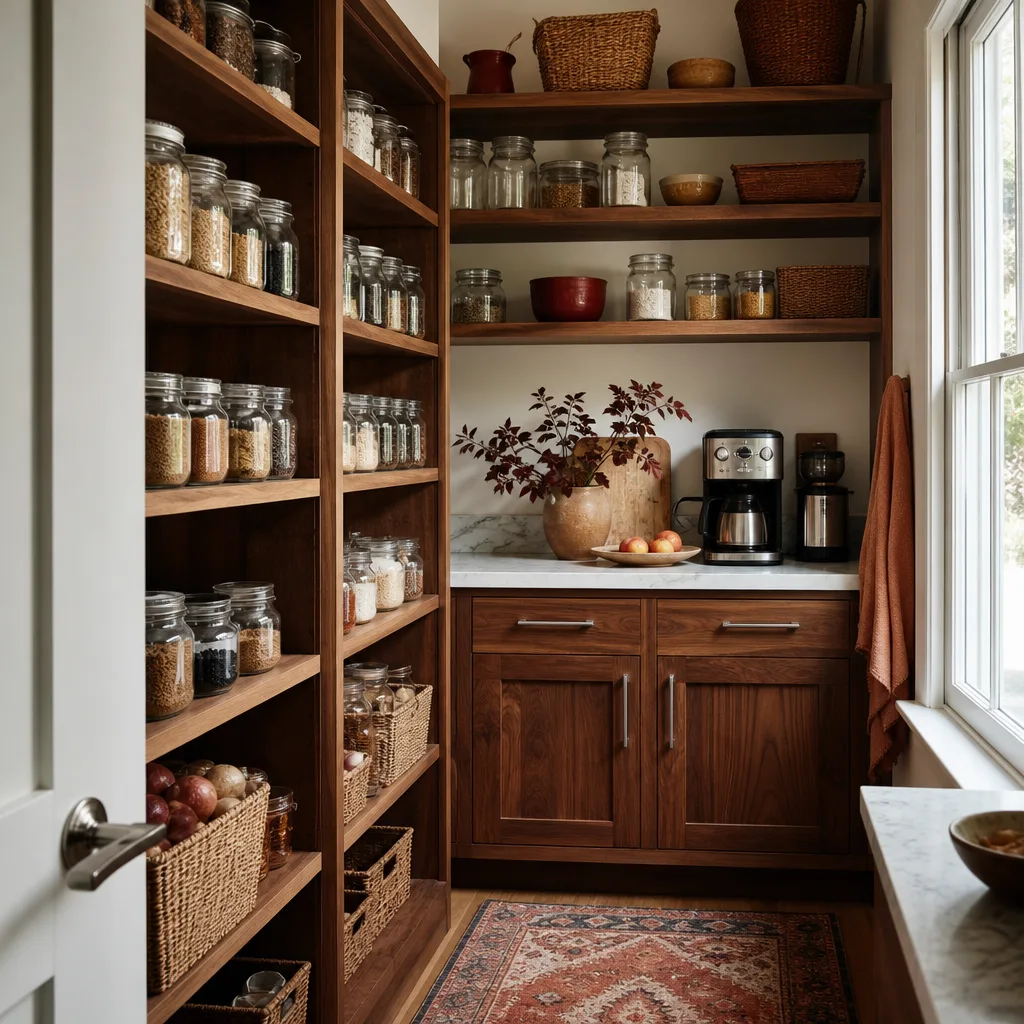
For a Dallas home addition or ADU, Caesarstone countertop work typically runs $2,000 to $6,500 installed, depending on linear footage, slab series, and whether you’re doing a single run or a kitchen plus a bathroom vanity. The whole addition, including framing, drywall, HVAC tie-in, and finishes, sits in the $45,000 to $130,000 range for Dallas and the northern suburbs. ADU construction, which includes foundation, utilities, and a full kitchen and bath, runs $90,000 to $220,000 in this market.
What drives the countertop number up or down: the slab color (Classico colors cost less than Metropolitan or Outdoors series), the edge profile (a simple eased edge is cheaper than a mitered waterfall edge), the number of cutouts, and whether we’re working with a 2cm or 3cm slab. Every Penhallow Remodeling Dallas quote includes the slab, fabrication, delivery, installation, sink mounting, and a written 365-Day Done Right Promise. If the seam fails or the stone cracks inside that year, we come back and fix it at no charge. We also leave the job site cleaner than we found it. That’s a Kingswell standard, and we’ve held to it since 2004.
DIY or Call Us?
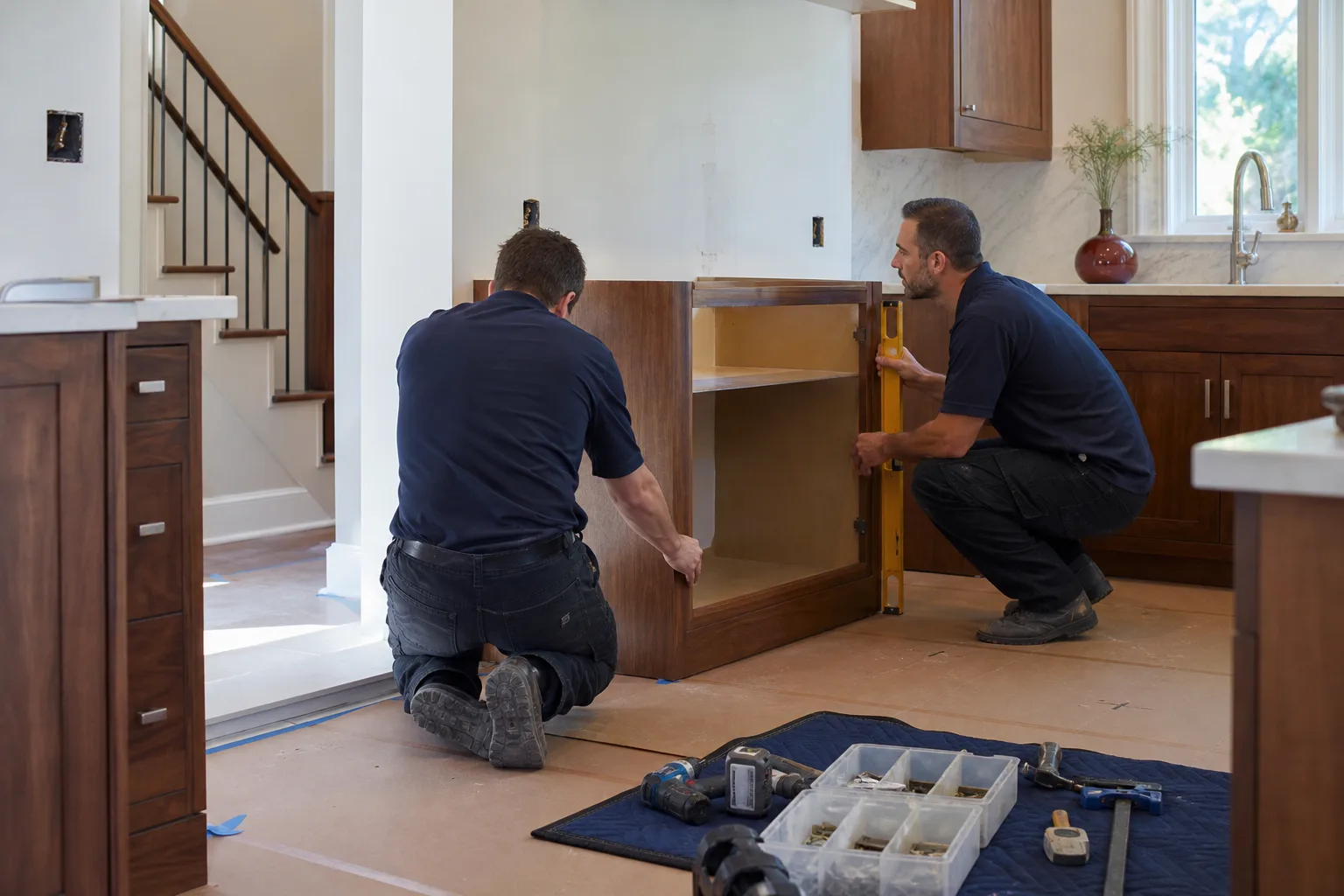
A homeowner can safely check for lippage with a fingernail, look under the sink for water staining, and test whether a seam is moving by pressing down gently on each side. What you should not attempt is reseating a Caesarstone slab, re-gluing a separated seam, or cutting a new sink cutout. A full Caesarstone slab for a Dallas kitchen island can weigh 400 to 600 pounds. If it shifts while you’re working under it, that’s a crushing injury waiting to happen. We’ve also seen DIY seam repairs where someone used hardware-store two-part epoxy, which dries a different color than Caesarstone’s polyester resin, and then the homeowner has to pay us to grind out a mess that should have been a simple re-glue.
If you’re in the middle of a home addition or ADU and the Caesarstone isn’t right, call (940) 204-5368. Trevor Nash will give you a number before he picks up a tool. That’s the only way we know how to start.
FAQs
Caesarstone quartz routinely lasts 20 to 30 years in a Dallas residential setting, provided the slab was properly supported and sealed at the seams. The bigger variable in Dallas is the foundation: shifting clay soil can flex the cabinet run and crack the stone well before the material itself would fail.
Yes, if the crack is a clean single line and not a network of fractures. We can route and fill the crack with a color-matched quartz epoxy, but you’ll still see a faint line, and the repair is only as good as the underlying cabinet support. If the crack traces back to a flexing substrate, replacing the slab is the honest fix. Call (940) 204-5368 and we’ll tell you which one you’re looking at.
Once the slab is templated, fabrication takes about 7 to 10 days in the Dallas market. Installation itself is usually a one-day job for a standard kitchen, including sink mounting and seam finishing. We give you a defined arrival window before the crew shows up.
We don’t stock full Caesarstone slabs on the truck, but we do carry the color-matched epoxies, seam setters, and edge-polish compounds for the most common Dallas Caesarstone colors. Slabs are ordered per project from regional distributors, which is why we confirm the exact color code during your free estimate.
Written by Trevor Nash, Owner, Penhallow Remodeling Dallas at Penhallow Remodeling Dallas, serving Dallas and nearby areas.


