
Free written scope consultation - allowances, timeline, and change-order rules on paper before a single trade is scheduled
Dvele Home Additions & ADU: The Dallas Owner’s Guide
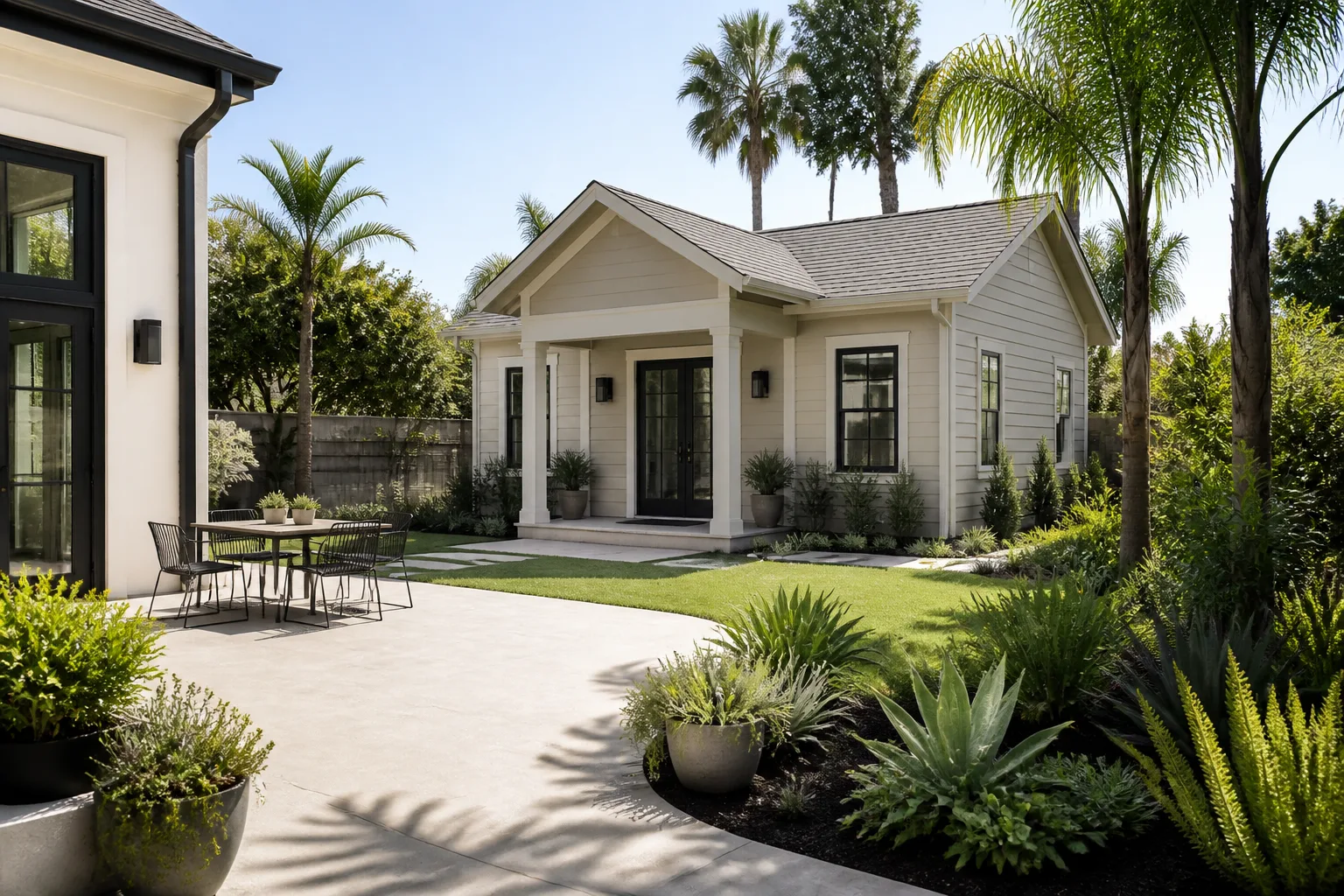
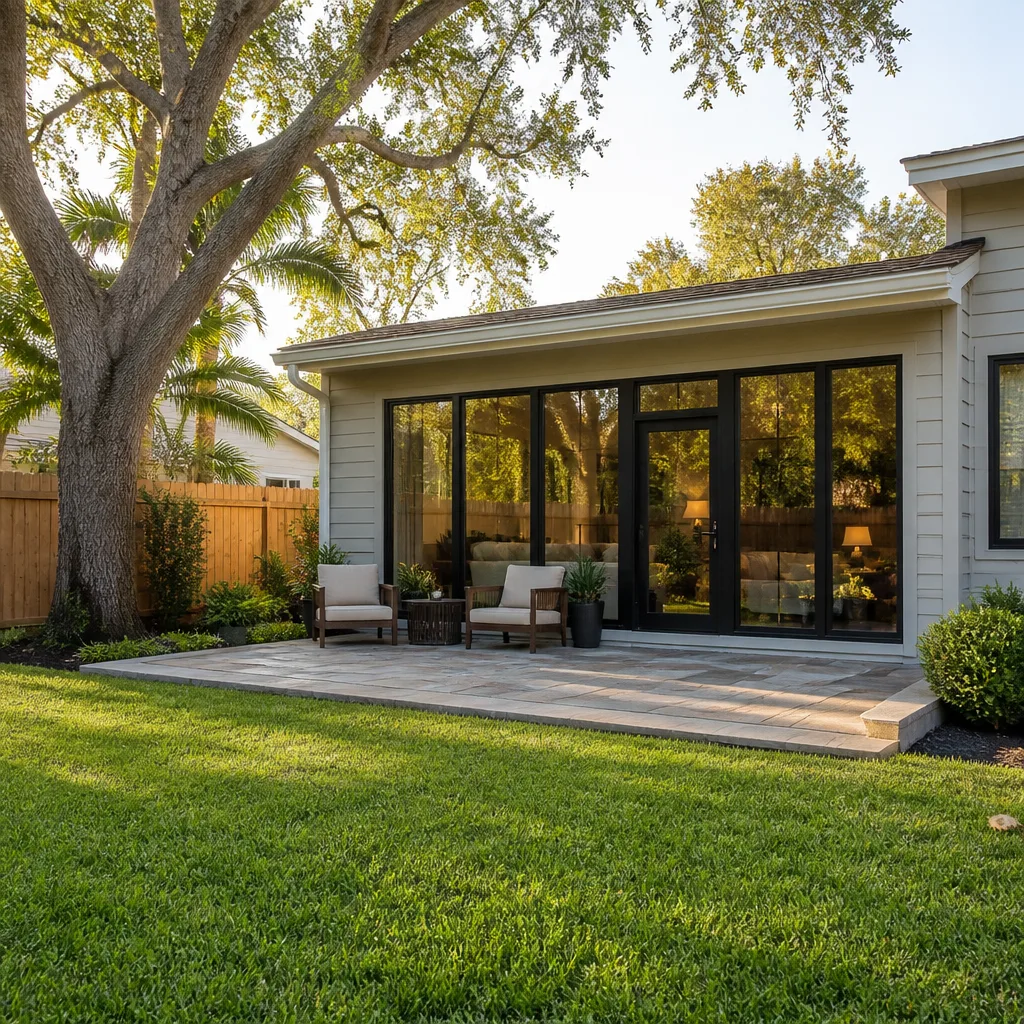
Dvele home additions and ADU construction in Dallas typically run $45,000 – $130,000 for an addition and $90,000 – $220,000 for a full ADU, depending on square footage, foundation work, and finish level. We handle Dvele-compatible structural tie-ins, panel connections, and interior finish work on these projects, and we can usually get a written price to you within a few days of the site visit. Most owners discover a problem with their Dvele addition or ADU when the panel seams start separating, the roof tie-in develops a leak, or the mechanical connections between the main house and the addition stop performing the way they should. If you’re noticing any of that, the next step is figuring out whether it’s a cosmetic issue or a structural one before it gets worse in Dallas heat and humidity.
Which Dvele Models This Applies To
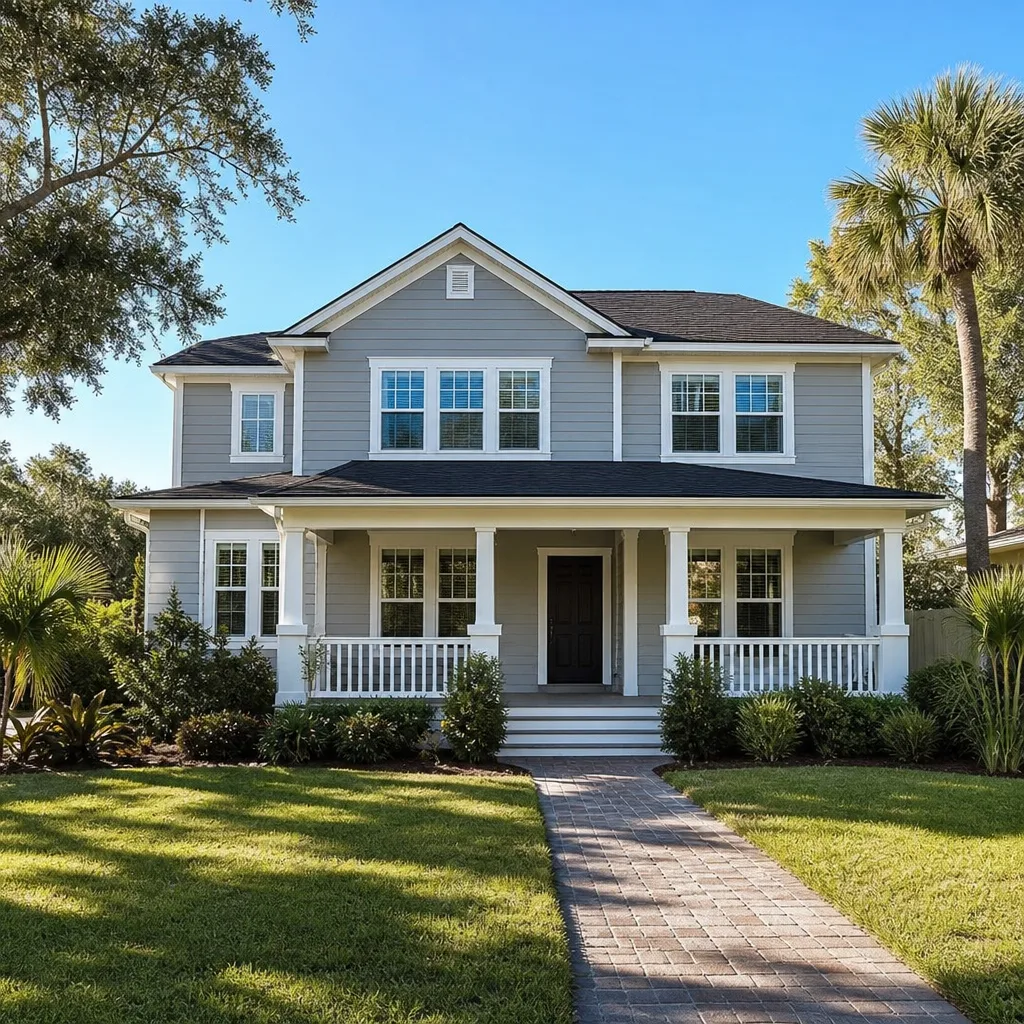
Dvele builds panelized prefab homes, and their addition and ADU systems use precision-cut structural insulated panels (SIPs) that interlock with the existing structure. The compatibility issue most Dallas homeowners run into is that Dvele’s panel dimensions are manufactured to tight tolerances that don’t always match what a wood-frame contractor would frame on site. A Dvele panel that’s spec’d at 7/16-inch reveals isn’t going to accept a standard 2×6 wall tie-in without shimming and custom flashing work. We’ve also seen variations between Dvele’s older panel generations and their current lineup, particularly around the window rough-opening sizes and the roof ridge connections. If you have the original Dvele spec sheet, that’s the fastest way to identify what you’re working with. If not, we can measure the panel thickness, check the seam fasteners, and match the profile against the documentation Dvele provides for their Dallas installs.
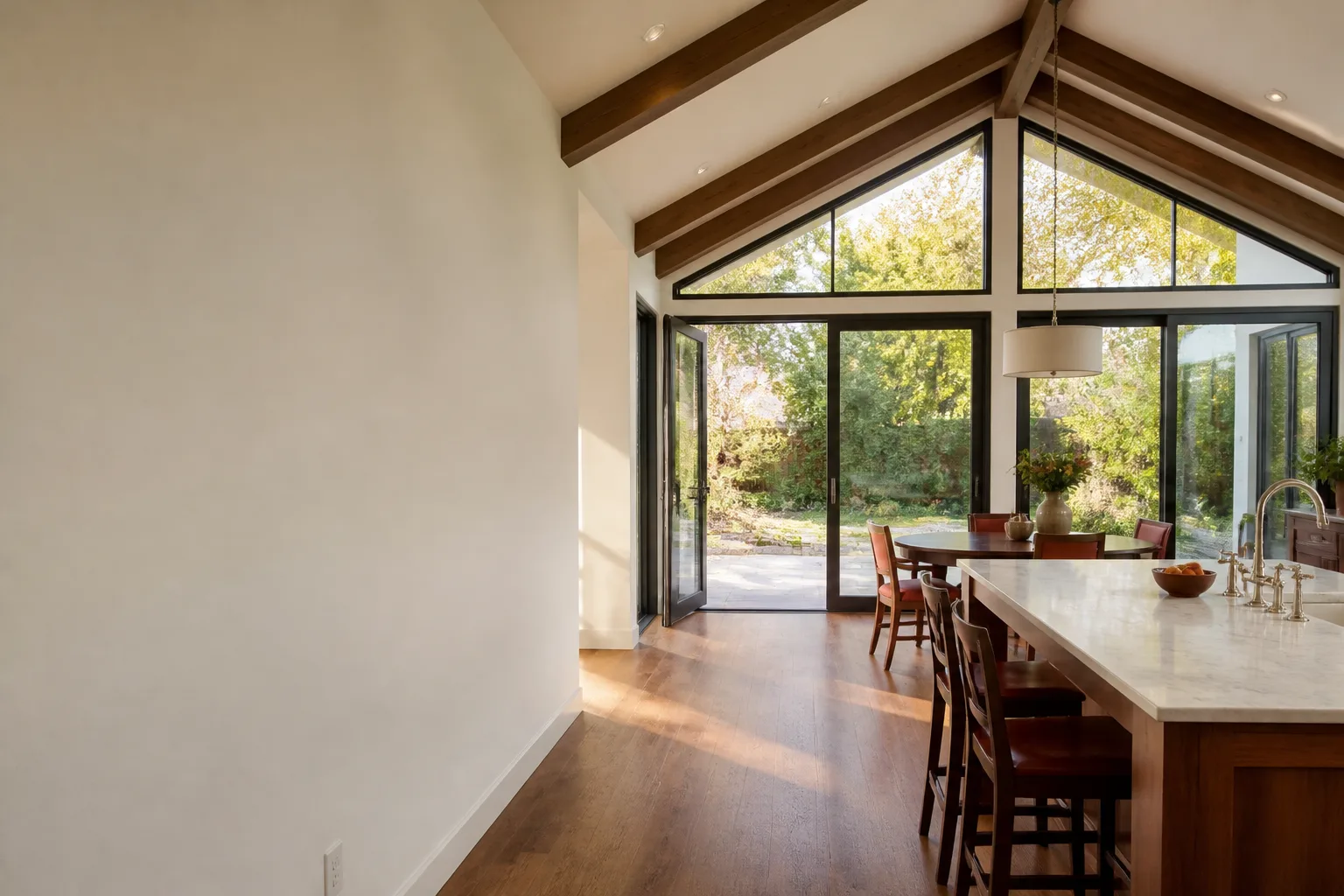
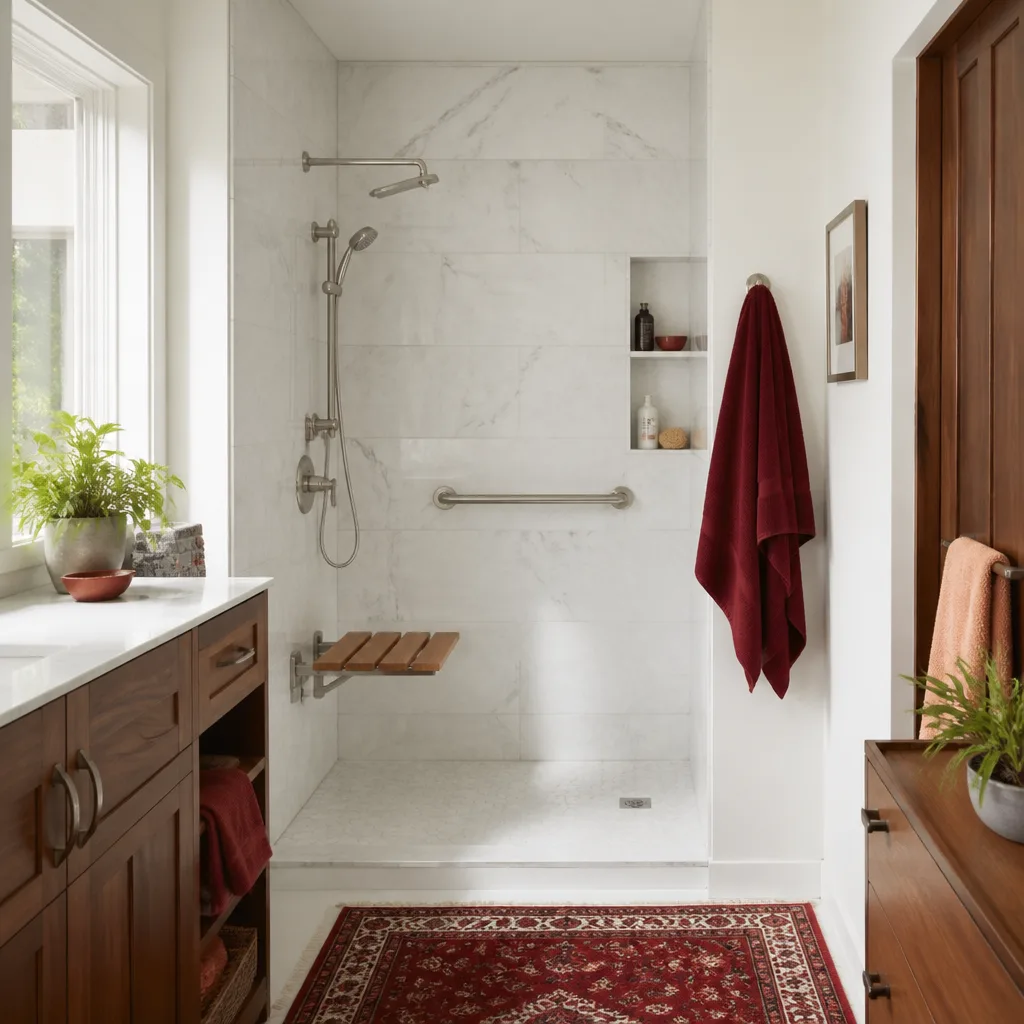
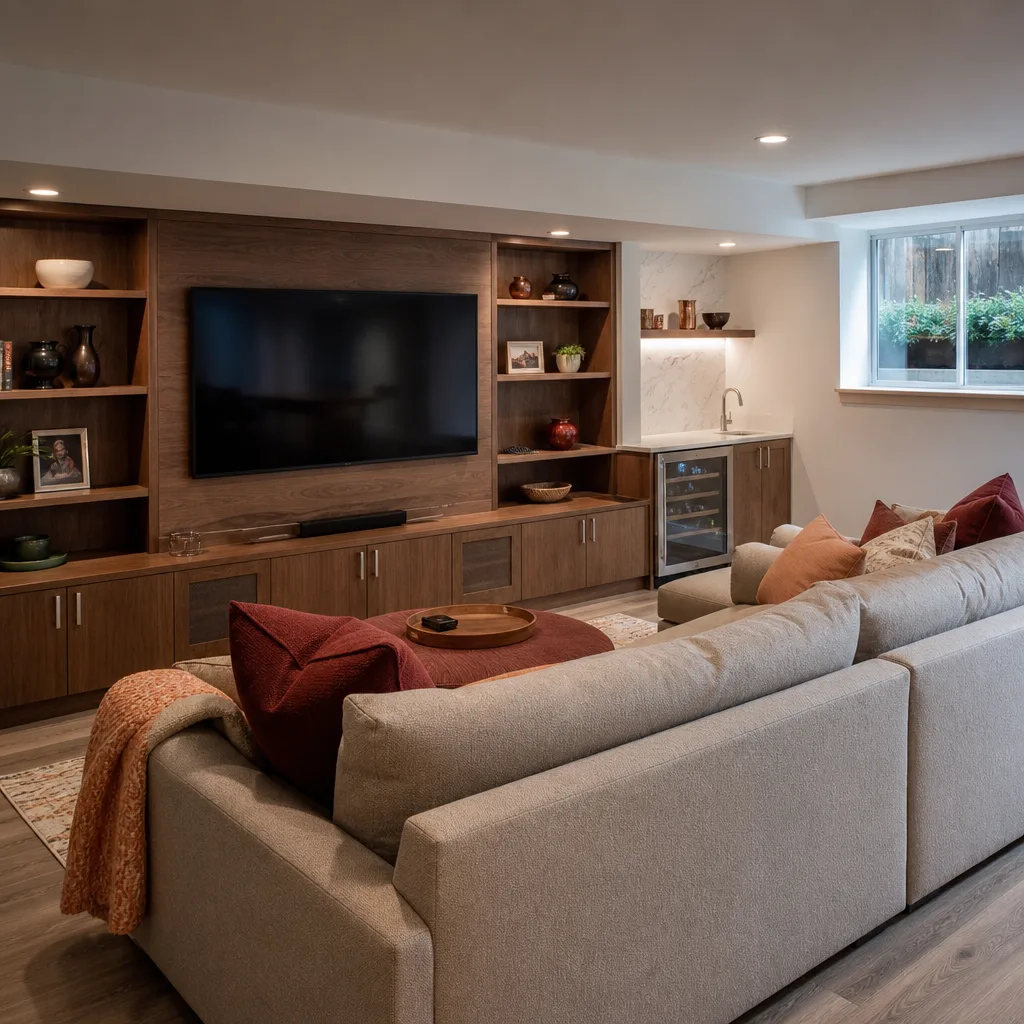
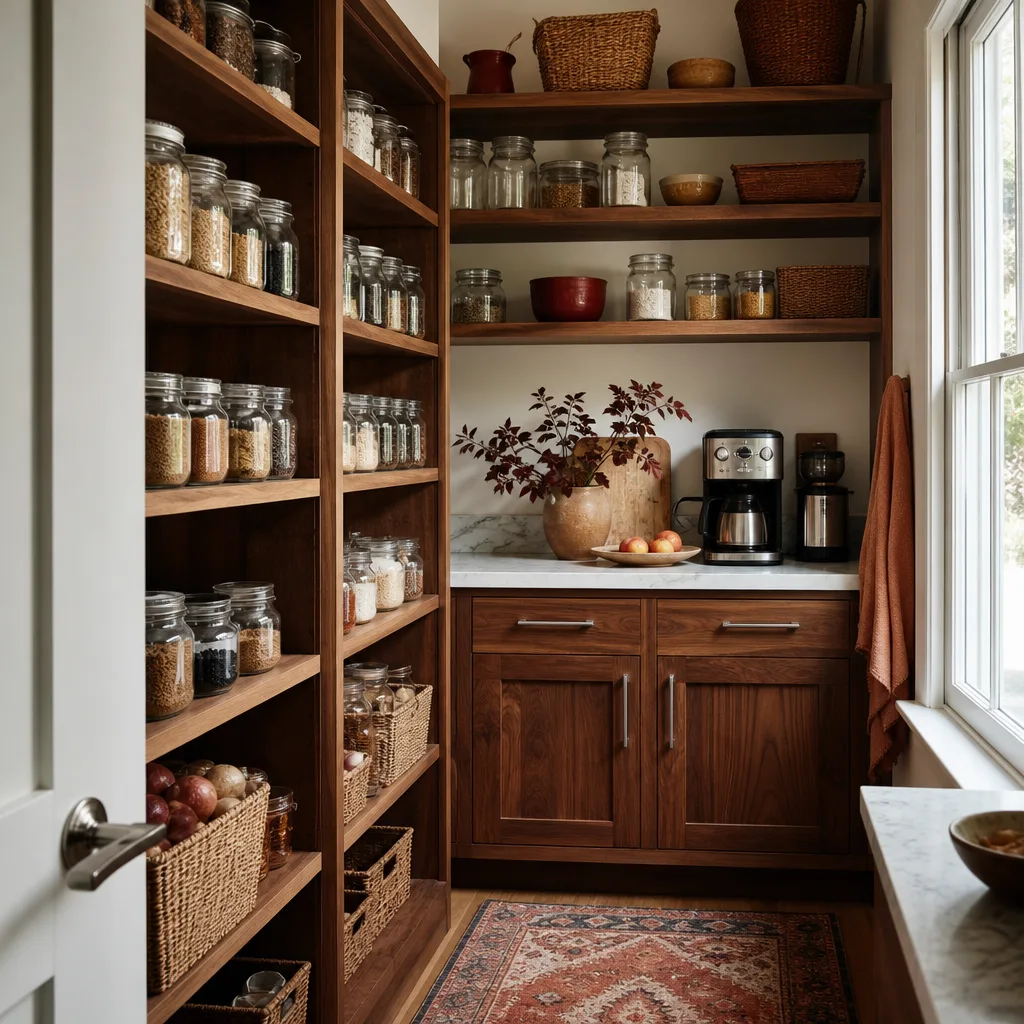
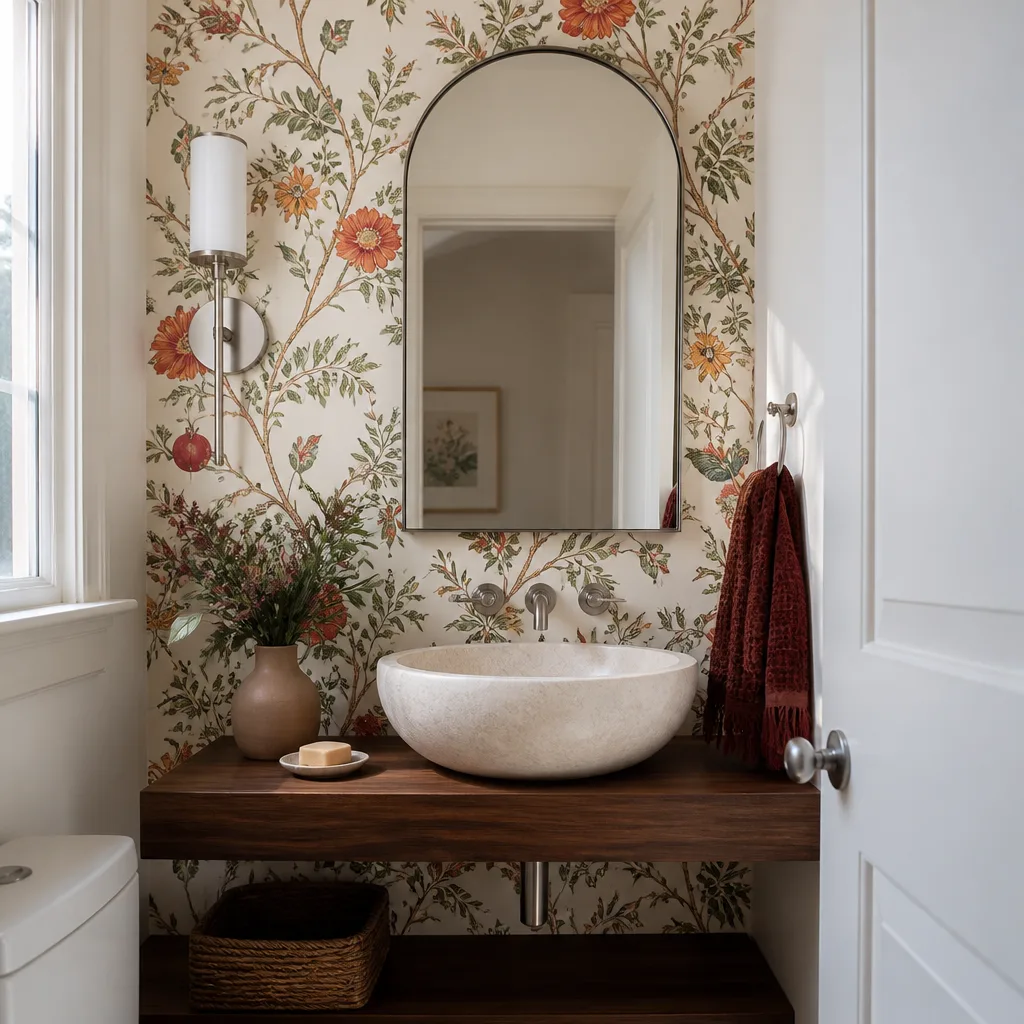
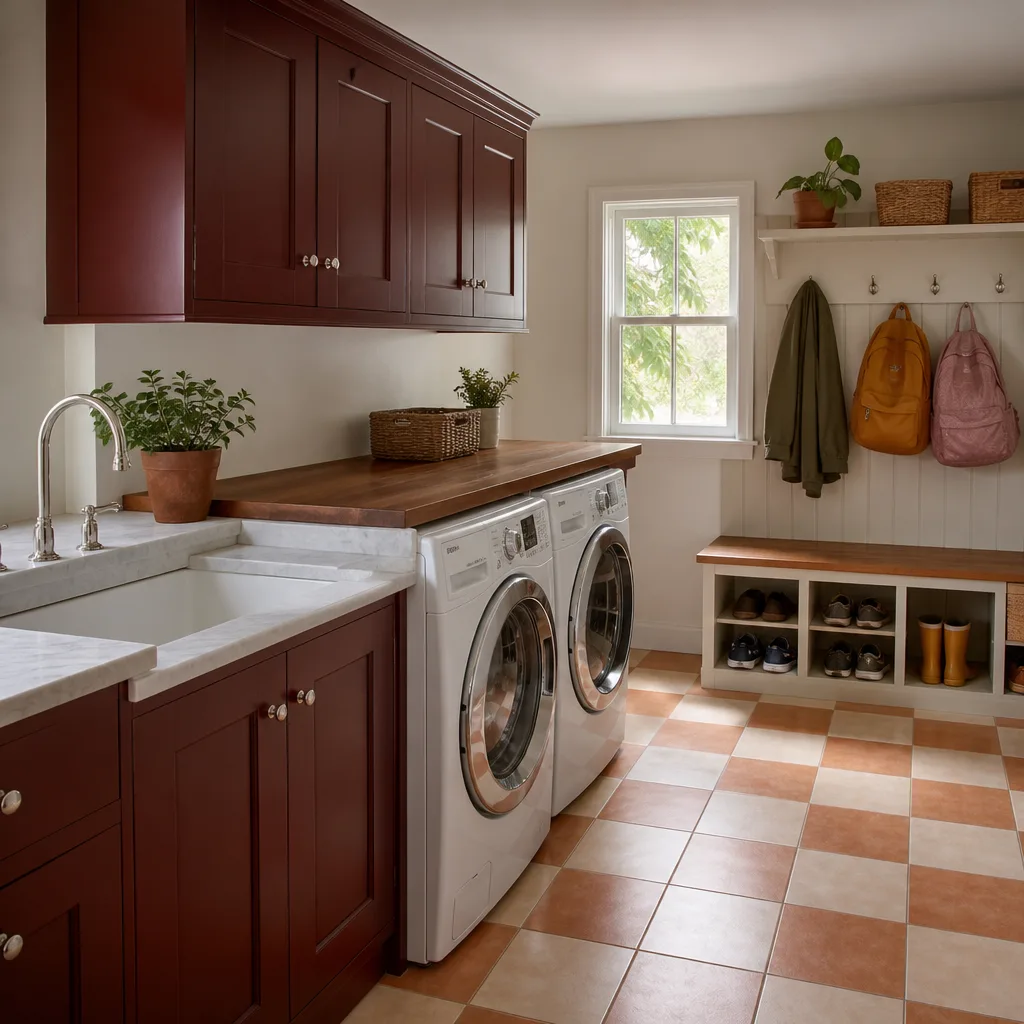
On the OEM versus aftermarket question: for structural panels and connection hardware, we recommend OEM Dvele components when they’re available. The panel systems are engineered as a unit, and swapping in generic materials mid-system can void the engineering. For finish materials like flooring, trim, cabinets, and countertops, quality aftermarket products from KraftMaid, Cambria, and Silestone work just fine and often give you more selection than the original Dvele package. The key is knowing which layer of the building you’re working on.
Styles & brands we work with







Signs Your Dvele Home Additions & ADU Is Failing
- Panel seam separation at the addition tie-in. Dallas clay soil expands and contracts through the year, and that movement pulls at the seam where the Dvele addition meets the original structure. If you can see daylight or a widening crack at that joint, the connection hardware is stressed.
- Roof flashing leaks at the transition point. The spot where the Dvele roof plane meets the existing roofline is the most common leak source on these projects. Dallas gets intense wind-driven rain in spring storms, and the flashing detail Dvele uses doesn’t always hold up to horizontal rain over time.
- Doors or windows in the addition start sticking. A Dvele structure that’s moving with the soil will bind doors and windows. If your addition’s door was fine a year ago and now takes a shoulder to close, the foundation connection is shifting.
- Mechanical chases and HVAC connections underperforming. Dvele runs utilities through panel chases, and if those connections were made with flexible duct or PEX that’s kinked or stressed, rooms in the addition won’t heat or cool the way they should.
- Moisture staining or musty smell at the base plate. The junction between the Dvele panel and the slab or crawlspace is an entry point for moisture if the sill seal failed or was never installed correctly. In Dallas humidity, that shows up fast.
See the difference
 Before
 After
After Before
 After
After Before
 After
AfterReplacement Cost & What’s Included
For Dallas, a Dvele addition or ADU repair and rebuild project falls into a few tiers. A structural connection repair at the tie-in point runs $3,000 – $12,000 depending on how much of the panel has to be opened up and re-fastened. Replacing a failed roof transition with new flashing and underlayment runs $2,500 – $8,000. A full interior finish upgrade inside an existing Dvele ADU, including cabinets, counters, flooring, and paint, runs $30,000 – $80,000 depending on square footage and material choices. And a complete new Dvele-compatible home addition runs $45,000 – $130,000, with ADU construction at $90,000 – $220,000.
Every price we give is written, itemized, and held to. No verbal ballpark that drifts upward after demo. The number on day one is the number on the invoice. We pull permits when the scope requires it, and every job carries our 365-Day Done Right Promise in writing: if the work fails inside a year, we come back and fix it at no charge.
DIY or Call Us?
There’s a line between what’s reasonable to check yourself and what needs a licensed contractor. You can safely inspect the visible seam between your addition and the house, look for cracking, daylight, or moisture staining, and note when doors stopped closing right. What you should not do is open the panel, loosen connection hardware, or attempt to re-flash a roof transition. These are structural and weatherproofing systems, and a mistake means water where it shouldn’t be and a repair bill that’s triple what it would have been if you’d called first. If the issue looks structural or you’re not sure, call (940) 204-5368 and we’ll take a look. Trevor Nash is the one who shows up, and he’d rather give you a number before he picks up a tool than sell you something you don’t need.
FAQs
A properly tied-in Dvele addition should last 30 – 50 years with normal maintenance, but the connection points and roof transitions need attention about every 10 – 15 years in Dallas due to clay soil movement and storm-driven rain. Call (940) 204-5368 if you’re seeing movement at the seam and we’ll assess it.
Yes, in most cases the tie-in hardware and flashing can be replaced without tearing down the structure. The exception is when the panel itself has absorbed water and lost structural integrity, at which point replacement is safer and cheaper long-term. We’ll tell you which one you’re dealing with after the inspection.
A tie-in or flashing repair typically takes 2 – 5 working days once the parts are on hand. A full ADU interior finish refresh runs 3 – 8 weeks depending on material lead times. We give you a written schedule before work starts and we hit the arrival window we quoted.
We stock common connection hardware, flashing profiles, and sealants on our trucks, and we can source Dvele-specific panels and hardware directly when a job requires them. If the exact panel is available, we’ll quote the lead time in writing. Call (940) 204-5368 for a free estimate.
Written by Trevor Nash, Owner, Penhallow Remodeling Dallas, serving Dallas and nearby areas.


