
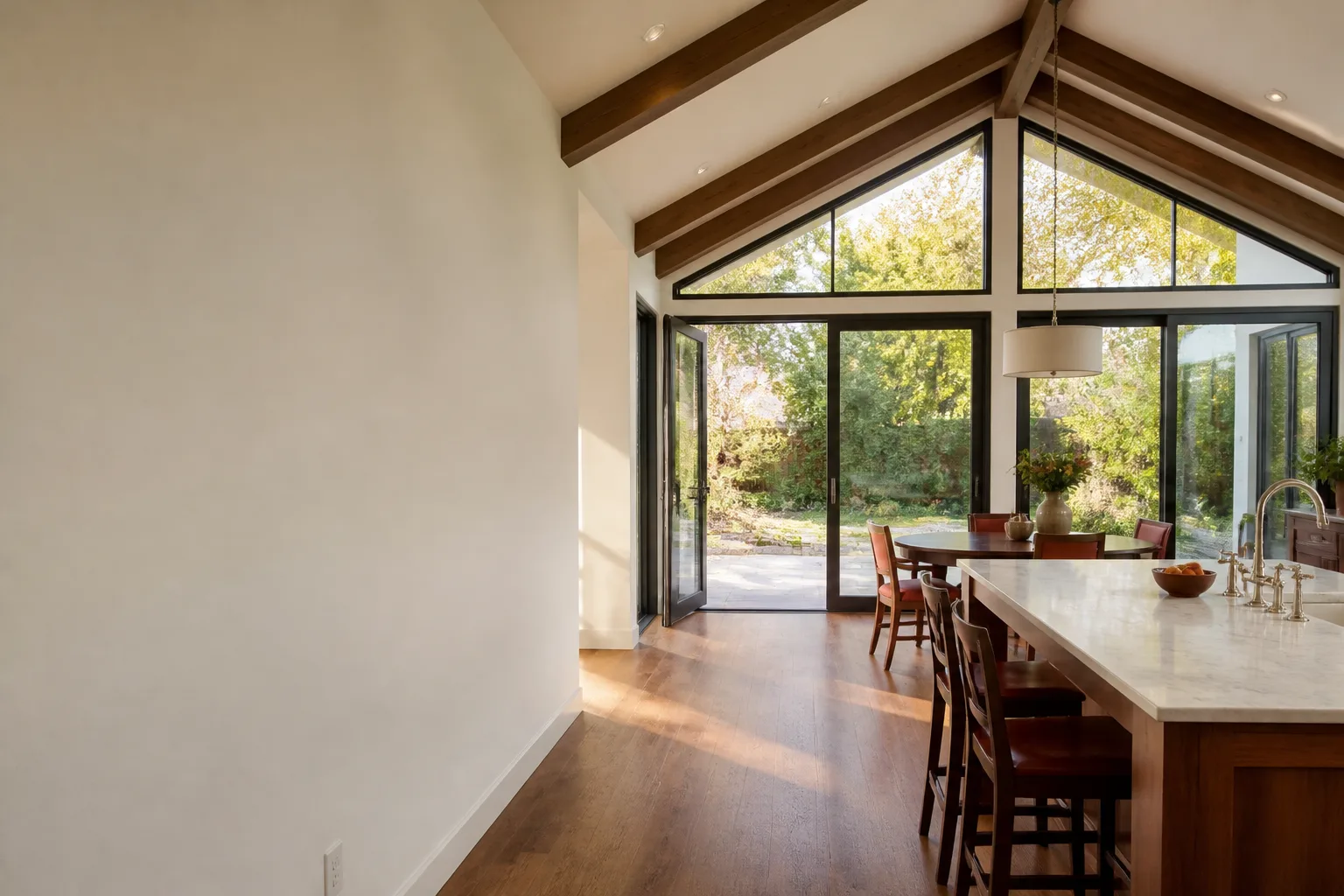
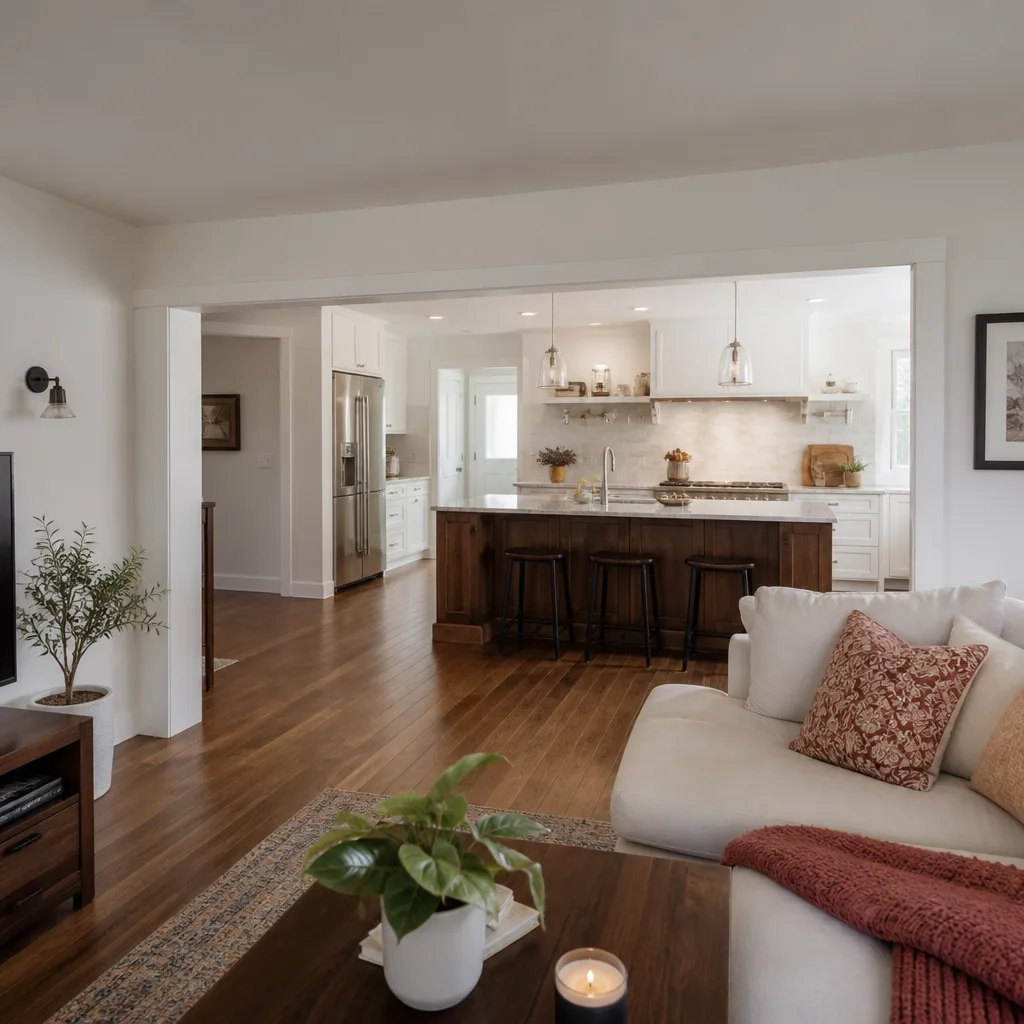
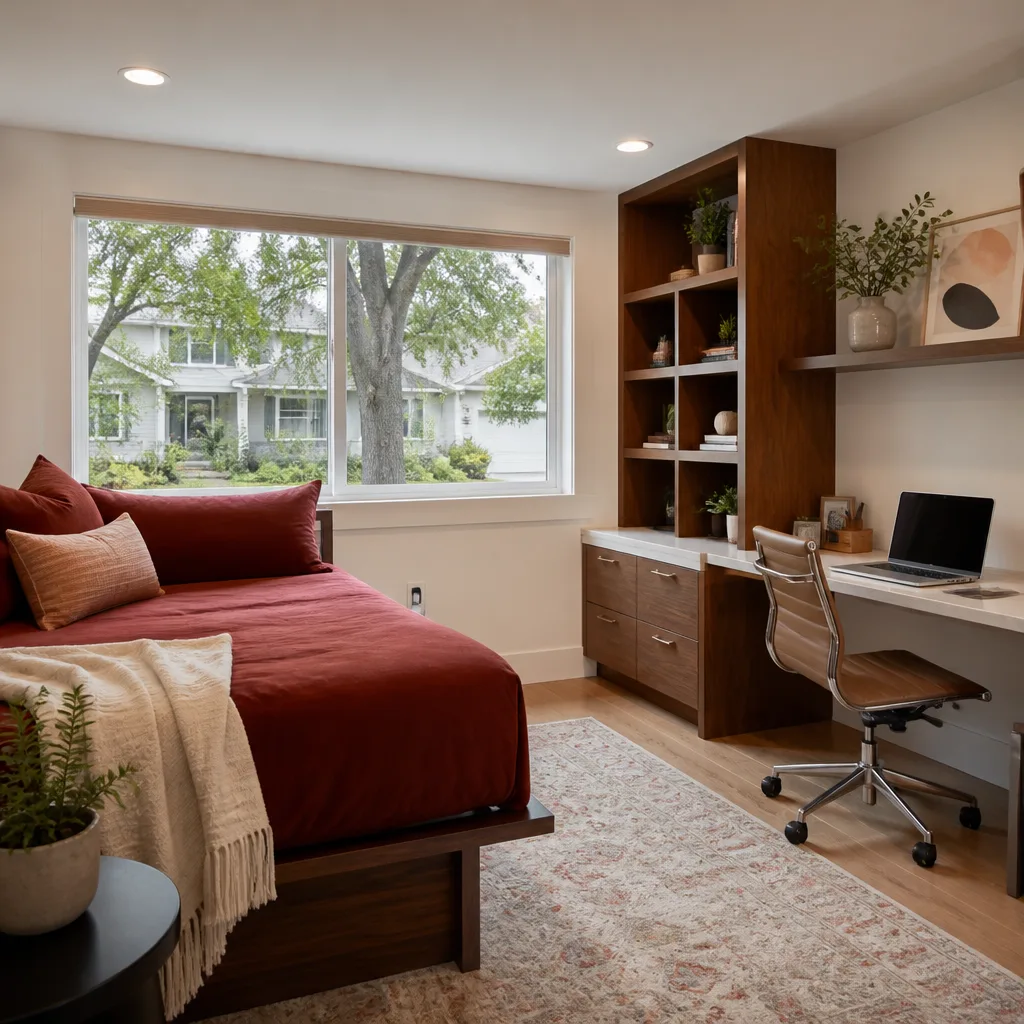
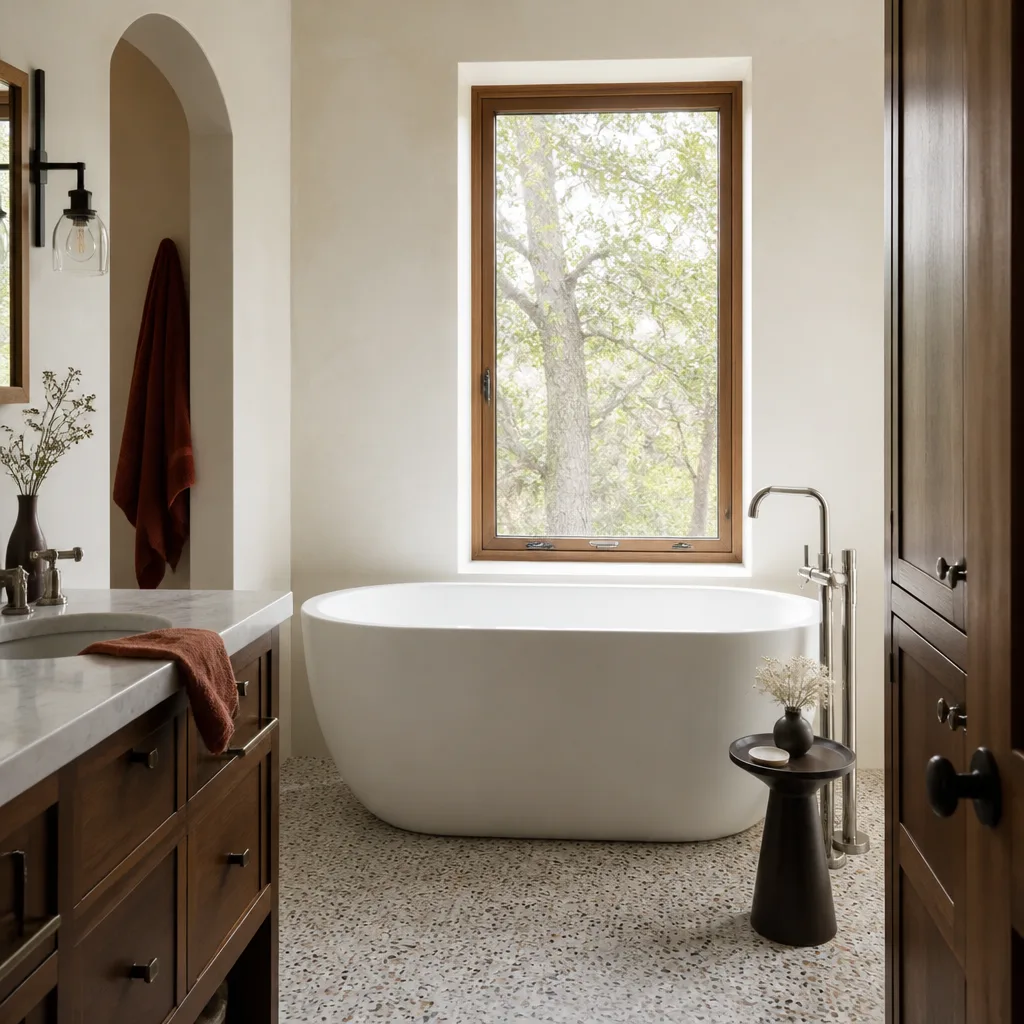
Free written scope consultation - allowances, timeline, and change-order rules on paper before a single trade is scheduled
Sakrete Home Additions & ADU: The Dallas Owner’s Guide
If you’re planning a home addition or ADU in Dallas and want to know whether Sakrete products fit the job, here’s the straight answer: yes, concrete is the one material every addition and ADU gets built on, and a full project typically runs $45,000 – $130,000 for an addition or $90,000 – $220,000 for a detached ADU in the Dallas market. We work with Sakrete concrete mixes, Sakrete repair products, and Sakrete resurfacing systems every week on additions and ADUs across Dallas, and we can walk you through exactly which products your specific project needs before a single bag gets opened.
Most Dallas homeowners don’t call us because their “Sakrete part” failed in the way a garage-door spring snaps. Concrete fails differently. It cracks, settles, spalls (flakes away in chunks), or heaves when the North Texas clay soil shifts after a wet spring or a dry August. By the time you notice it, you’re usually looking at a repair decision on an existing slab, a new footing, or a stem wall for the addition you’re planning. Here’s what you need to know before you spend a dollar.
Key Takeaways
- A full home addition in Dallas runs $45,000 – $130,000; a detached ADU runs $90,000 – $220,000.
- Sakrete High-Strength Concrete Mix (4000 psi) is the standard we spec for most Dallas footings and stem walls.
- North Texas clay soil expands and contracts more than most US regions, so footing depth and rebar schedule matter more than bag count.
- We write the price before work starts, and the 365-Day Done Right Promise covers the concrete work in writing.
Which Sakrete Products Apply to Home Additions & ADUs
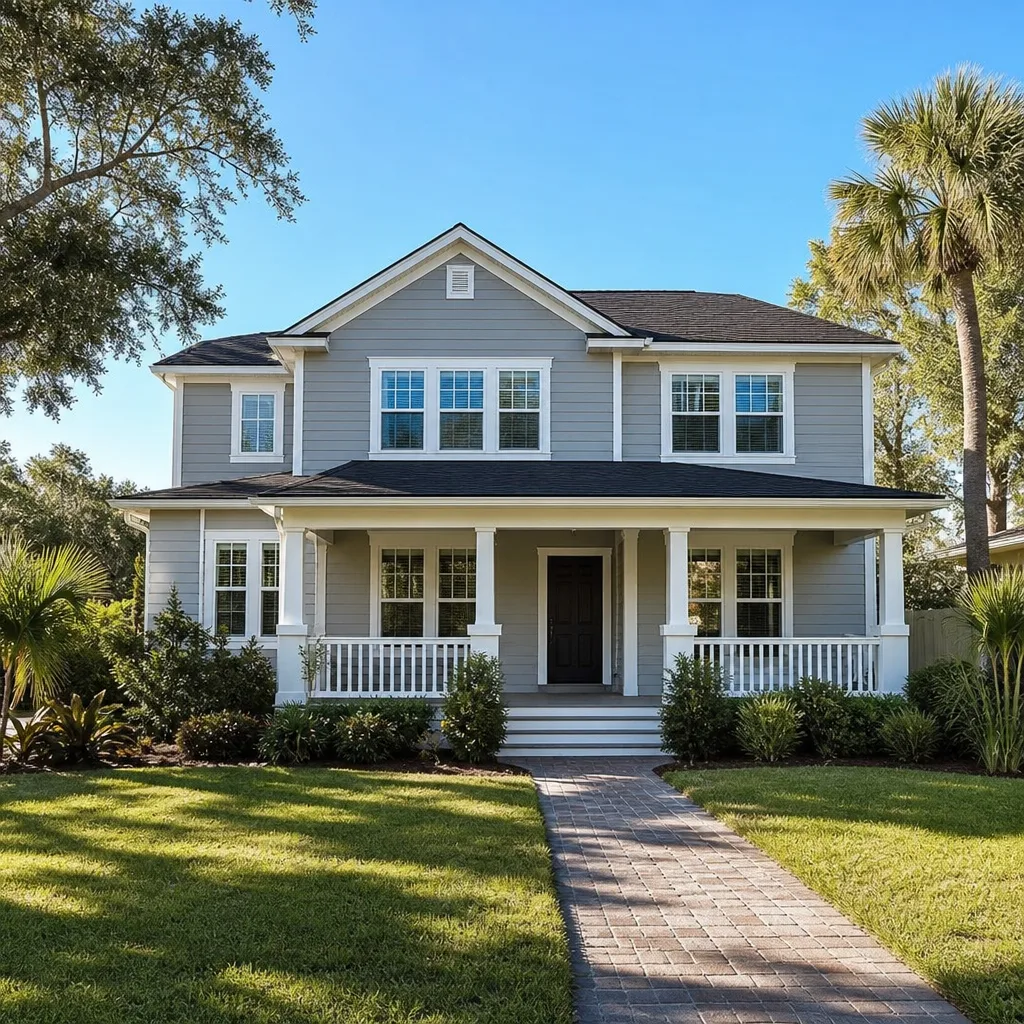
Sakrete makes dozens of concrete and repair products, but only a handful belong on a Dallas addition or ADU job. The workhorse is Sakrete High-Strength Concrete Mix, rated at 4000 psi, which is what we spec for footings, stem walls, and floor slabs under most residential additions in the Dallas area. For ADUs on piers or grade beams, the same mix works, though some Dallas engineers will call for 5000-psi mix on a beam-and-pier foundation, and we’ll match whatever the stamped drawings require.
Here’s what trips up Dallas homeowners: Sakrete also makes fast-setting concrete, crack-resistant mortar, and high-strength anchoring products, and using the wrong one for the wrong stage of the job is how you end up with a cracked stem wall two years after the addition is done. Fast-setting mix (the 40-minute stuff) is for fence posts and mailbox anchors, not structural footings. If you’ve got an existing slab and you’re planning to tie a new addition into it, the spec changes again: you’ll need rebar dowels epoxy-set into the old concrete, and Sakrete’s anchoring epoxy is the product we use for that. Identify what you need by looking at your structural plans, not the bag. If you don’t have plans, that’s the first thing we’ll tell you to get.
Penhallow Remodeling Dallas is an independent remodeling company; we’re not affiliated with Sakrete, but we use their products because they’re consistent bag to bag, and we can tell you exactly which mix your plans call for.
Styles & brands we work with







Signs Your Existing Concrete Is Failing Before You Add On
- Hairline cracks wider than a quarter’s edge running across the slab. In Dallas clay soil, surface cracks are common, but cracks wider than about 1/8 inch that run edge to edge usually mean the slab is moving, and you’ll need a structural opinion before you build on or tie into it.
- Spalling or flaking concrete at the slab edge. This is surface failure from moisture cycling or a weak original mix. It’s often repairable with a Sakrete resurfacer, but if it’s at a load-bearing edge, we’ll want to open it up and check the steel.
- Doors and windows in the existing house that stick for half the year. A moving foundation shows up in the house before it shows up in the slab. If your doors swing open on their own in August and bind in March, the clay under the slab is doing its seasonal thing and your addition’s tie-in just got more complicated.
- Water pooling against the existing foundation after a Dallas gully-washer. Standing water against a stem wall for 48 hours after a storm isn’t a concrete failure yet, but it will be. We fix the grade before we pour anything new.
- Cracks in the mortar joints of a brick veneer near the planned addition tie-in. That’s differential movement between the brick and the framing or slab. It won’t fix itself, and adding new concrete without addressing it just adds another moving piece.
Replacement Cost & What’s Included for Dallas Additions & ADUs
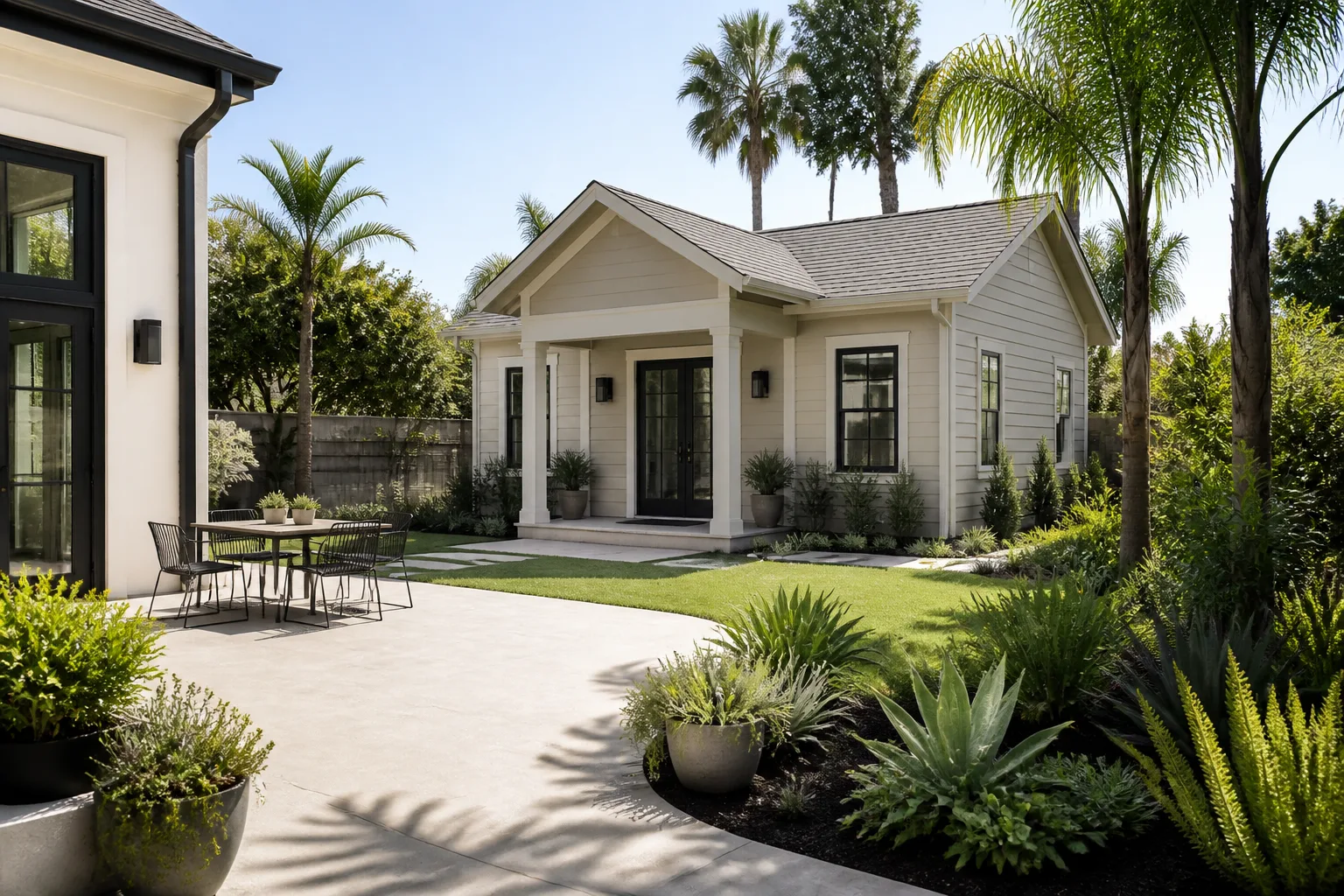
Let’s put real numbers on it. A full home addition in Dallas runs $45,000 – $130,000 depending on square footage, foundation type, roof tie-in complexity, and interior finish level. A detached ADU runs $90,000 – $220,000 once you factor in the separate electrical service, plumbing run from the main, and the upgraded footing and insulation requirements Dallas code expects. The concrete portion, which is where Sakrete comes in, is usually 8 – 15% of that total: footings, slab, any stem walls, and anchoring.
What drives the concrete number up or down: soil report (a standard Dallas geotech report runs a few hundred dollars and tells us exactly what’s under your yard), footing depth (deeper is better and more expensive in expansive clay), rebar schedule per the stamped plans, and access (pumping concrete across a tight Lakewood lot costs more than pouring a wide-open Garland backyard). We write the concrete number into your line-item quote before demo day, and the price on day one is the price on the invoice. No change orders because the soil was “worse than we thought” – we already tested it.
Every job includes the 365-Day Done Right Promise in writing: if the concrete work fails inside a year, we come back and fix it at no charge. That means a second visit is free too, no re-inspection fee, no service call. Trevor Nash wouldn’t put it in writing if we didn’t intend to stand behind it: “Give you a number before I pick up a tool – that’s the only way I know how to start.”
See the difference
 Before
 After
After Before
 After
After Before
 After
AfterDIY or Call Us?
For a home addition or ADU, there’s no honest DIY path on the concrete. Footings and stem walls carry the weight of a room where your family sleeps; this isn’t a fence post. A footing poured too shallow in Dallas clay heaves and cracks, and fixing it after the framing is up costs more than the addition’s framing budget. What you can safely do yourself: keep water graded away from the existing slab, clean out surface cracks, and call the city to pull your property’s foundation history. What you should not do: pour structural concrete from bags without a soil report, stamped plans, and a rebar inspection. A friend with a mixer and a Saturday won’t get this through a Dallas building inspection, and it shouldn’t.
If you’re unsure whether your existing slab can carry an addition, call (940) 204-5368. We’ll send someone out, look at what you’ve got, and give you a written answer: either it’s buildable now, or here’s exactly what has to happen first, with a real price attached.
Frequently Asked Questions
A properly poured footing with the right rebar schedule in Dallas clay should outlast the house, meaning 50-plus years, but it won’t if the soil under it moves, which is why the soil report and footing depth matter more than the bag brand. Sakrete mix poured 18 inches deep with proper steel in a loamy East Dallas yard will behave differently than the same mix at 12 inches in a rocky Cedar Hill hillside. Call (940) 204-5368 and we’ll explain what your specific yard needs.
Usually yes, but only after we know why it cracked. Surface spalling and hairline settling cracks can be resurfaced with a Sakrete repair product and will hold fine; a slab that has moved differentially and pops your tape measure by more than 3/8 inch across 10 feet is a structural issue, and pouring an addition on it without a fix is throwing money at a crack. We’ll tell you which one you have, and it won’t cost you anything to find out.
For a typical single-story addition: one week for excavation, forming, steel, and inspection, one day to pour, three days of curing before framing starts. For a detached ADU, figure five to seven pour days spread across two weeks with inspections. Weather in Dallas can stretch this: we won’t pour in a tornado watch or when the temperature is pushing 105 and the slab would cure too fast.
We stock Sakrete High-Strength Mix, fast-setting mix for non-structural needs, anchoring epoxy, and concrete resurfacer on site for Dallas jobs, and we handle all materials in your written quote. You never need to run to a store for bags. If your project requires a specialty Sakrete product we don’t keep on the truck, we’ll have it on site before the pour date, and that line item is in your quote up front.
Get a Written Price on Your Dallas Home Addition or ADU
If you’ve got a failing slab, a cracked stem wall, or plans for an addition and you want a real number before anyone swings a hammer, call (940) 204-5368. We’re Penhallow Remodeling Dallas, and we’ll walk the site, explain exactly which Sakrete products your job needs, and hand you a written price and a written guarantee before work begins. No pressure, no guesswork, no change orders hiding in the soil report. The brands we build with, like KraftMaid cabinetry and Cambria countertops, carry their own warranties alongside our 365-Day Done Right Promise, so the layers of protection behind your addition are as solid as the concrete under it.
Written by Trevor Nash, Owner, Penhallow Remodeling Dallas at Penhallow Remodeling Dallas, serving Dallas and nearby areas.


