
Free written scope consultation - allowances, timeline, and change-order rules on paper before a single trade is scheduled
ActiveYards Home Additions & ADU: The Dallas Owner’s Guide
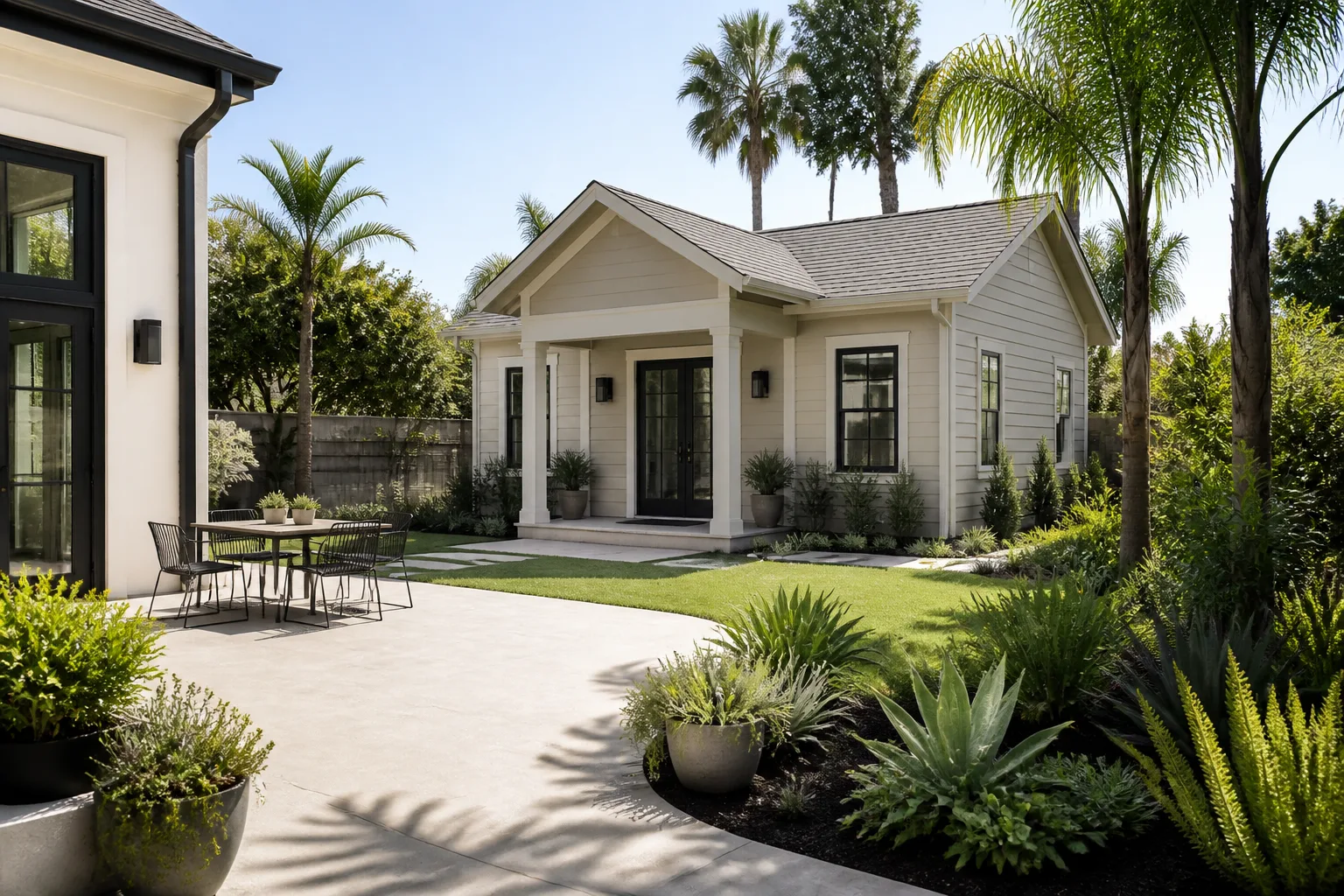
If you’re researching an ActiveYards home addition or ADU project in Dallas, the honest installed range is $45,000 – $130,000 for a full addition, and $90,000 – $220,000 for a detached ADU with its own utilities. At Penhallow Remodeling Dallas, we handle the structural work, finishes, and site prep that turn an ActiveYards structure into a permitted, livable space. Most Dallas homeowners reach out after discovering their existing ActiveYards installation wasn’t properly prepped for North Texas soil conditions: clay-heavy ground, brutal July heat, and foundation movement that shifts door frames, cracks drywall, and pulls seams apart.
Which ActiveYards Models This Applies To
ActiveYards builds modular and panelized structures that span three general lines: the residential shed-to-studio series, the backyard office and flex-room line, and larger pre-designed accessory dwelling layouts. The difference matters because the foundation type, electrical rough-in, and framing tolerances change between lines. A backyard studio rated for a home office doesn’t have the same load-bearing spec as a full ADU with a bathroom and kitchenette. You’ll find a metal ID tag riveted inside the door frame or on the corner post with the model number, build month, and wind load rating. If that tag’s gone, measure the exterior wall width: Dallas code for a livable ADU requires 2×4 walls minimum (2×6 if you’re adding a second story), and ActiveYards residential units run either 3.5-inch or 5.5-inch wall cavities. That measurement tells us what insulation, electrical, and window retrofit options you actually have.
Now, the aftermarket question. ActiveYards uses proprietary trim profiles and door hangers on some lines, but the structural framing is standard nominal lumber. That means we can match most components with trade-grade equivalents from the same brands we already use on remodeling jobs – James Hardie for siding, Therma-Tru for exterior doors, and standard Moen or Kohler fixtures for any bath rough-in. We’re an independent contractor, not an ActiveYards dealer, so we’ll tell you plainly when an OEM piece is worth the wait and when a better-built substitute saves you money. Usually the latter, especially with fasteners and flashing, where the factory spec runs thin for Dallas weather.
Styles & brands we work with







Signs Your ActiveYards Home Additions & ADU Is Failing
- Doors that stick in summer and swing loose in winter. Dallas clay soil expands and contracts with moisture, and an ActiveYards structure on a shallow pad or skids moves with it. We see this most in Oak Cliff and East Dallas, where soil moisture swings hard between droughts and spring storms.
- A visible gap between the base plate and the slab or skid. This is where water gets in, and it’s the first spot termites find in wet years. The gap usually means the anchor bolts weren’t set to Dallas wind load spec or the pad wasn’t leveled to within an eighth of an inch.
- Soft spots in the floor near the door. ActiveYards ships with a composite or plywood subfloor, but if the structure sits near a sprinkler line or downspout, that edge wicks moisture and delaminates. We’ve replaced enough rotted rim joists around White Rock Lake to know the signs early.
- Wall seams spreading at the corners. Panelized construction relies on seam tape and caulk that breaks down under direct Texas sun. Once the seam opens more than a quarter inch, you’re losing conditioned air and inviting stink bugs and wasps into the wall cavity.
- Electrical dead spots or flickering when you run a heater or window AC. Many ActiveYards units come pre-wired for 15-amp service, which is fine for lights and a laptop, but not for a mini-split, microwave, and hair dryer at once. That undersized panel is a fire hazard if you’re pushing it daily.
See the difference
 Before
 After
After Before
 After
After Before
 After
AfterReplacement Cost & What’s Included
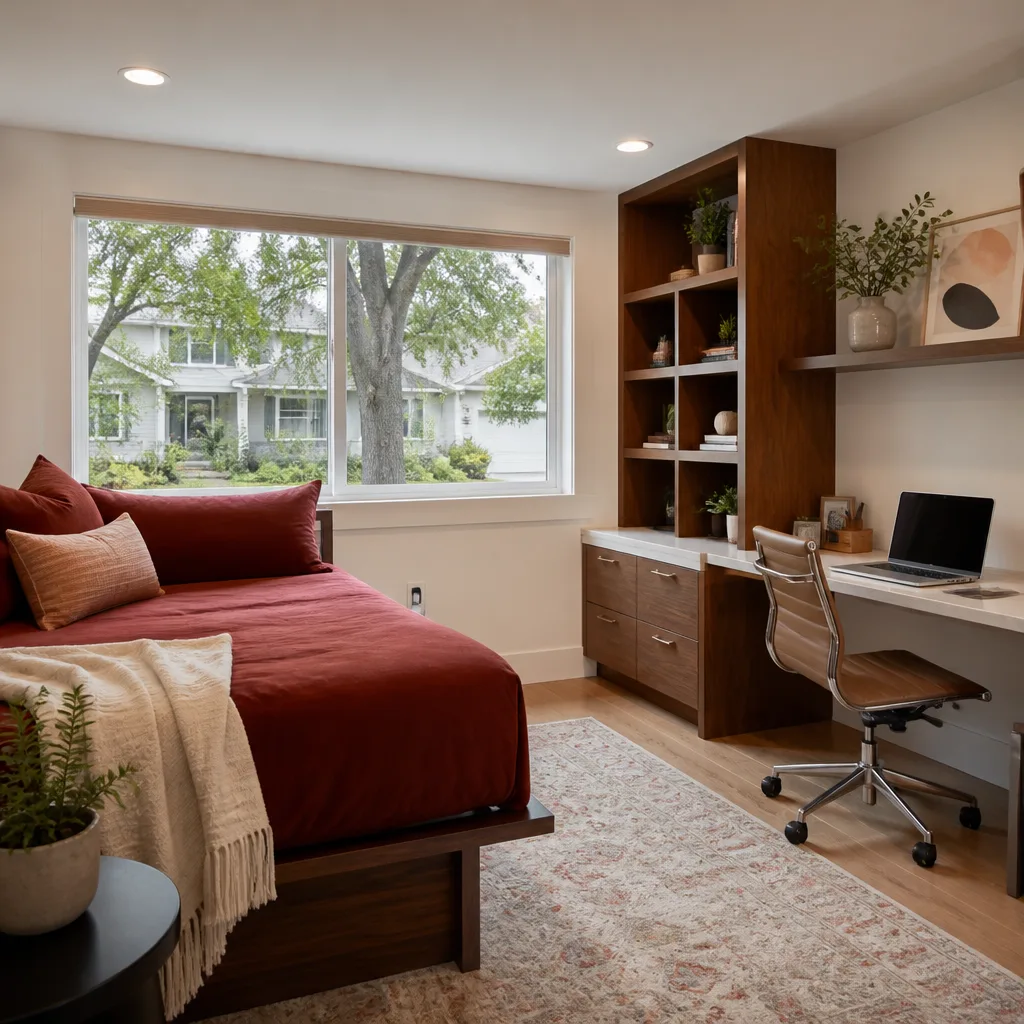
For a full home addition built onto an existing house in Dallas, expect $45,000 – $130,000 depending on square footage, roofline tie-in, and whether you’re adding plumbing. A detached ADU runs $90,000 – $220,000 once you count trenching for utilities, a real foundation, and the second meter Dallas code requires for a rental unit. We write every price down before we touch a single tool. Here’s what that looks like in practice:
- Site prep and foundation repair: $4,500 – $12,000 depending on pier depth and soil report
- Framing and structural correction: $8,000 – $22,000 based on wall condition and roof spans
- Electrical upgrade to code: $2,500 – $8,000 if the existing panel can’t handle the load
- Interior finish: $14,000 – $45,000 for drywall, insulation, flooring, trim, and paint
Every project includes a written price before work starts, a defined arrival window, and our 365-Day Done Right Promise in writing. If something fails inside that year, we come back and fix it at no charge. No re-inspection fee, no service call.
DIY or Call Us?
Here’s my straight answer, the same one I’d give you across the kitchen table: checking your base plate for gaps, looking for seam separation, and testing your outlets with a $15 voltage tester is safe. Re-anchoring a structure to a foundation, rewiring an undersized panel, or pulling apart a wall seam to re-flash it is not. We’ve fixed more homeowner attempts around Dallas than we can count, and the repair always costs more than the original fix would have. Give you a number before I pick up a tool – that’s the only way I know how to start. If you suspect your ActiveYards structure has shifted, call us at (940) 204-5368 and we’ll come look. The estimate is free, and you’ll get a written price before anything gets torn apart.
FAQs
A properly anchored and maintained ActiveYards structure lasts 20 – 30 years in Dallas, but the original manufacturer’s assembly often needs correction within the first five years to hit that mark. The frame is sound; the anchoring, flashing, and electrical workmanship are where longevity gets decided. Call (940) 204-5368 and we’ll tell you honestly where yours stands.
Yes, in most cases the repair is straightforward: re-level the base, replace rotted rim joists, re-flash the seams, and upgrade the electrical panel if needed. Full replacement of the structure is rarely required unless termite damage or long-term water intrusion has compromised the frame. We’ll give you a written price either way before any work begins.
A straight structural correction to an ActiveYards unit takes three to seven days. A full addition or ADU permitting, foundation, framing, and finish runs eight to sixteen weeks depending on the scope and how quickly the city of Dallas reviews your permit. Trevor Nash quotes a schedule he can hold, not the one that sounds good in the driveway.
We keep the common wear items on the truck: seam tape, flashing, anchor bolts, rim joist stock, and standard trim profiles. OEM ActiveYards trim and door hangers are special order, typically a week out, and we’ll tell you if the aftermarket equivalent is a better buy. Same for KraftMaid cabinetry, Cambria countertops, and Silestone surfaces if your ADU needs a kitchenette or bath.
If your ActiveYards home addition or ADU in Dallas is showing signs of failure, or you want an honest price before you commit to fixing it, call (940) 204-5368. We answer the phone, we show up when we say, and we write the number down before anything gets built.
Written by Trevor Nash, Owner, Penhallow Remodeling Dallas at Penhallow Remodeling Dallas, serving Dallas and nearby areas.


