
Last updated October 15, 2026



Free written scope consultation - allowances, timeline, and change-order rules on paper before a single trade is scheduled
The Complete Guide to Construction in Dallas
Dallas sits on some of the most expansive clay soil in the country. The same soil that shifts foundations, cracks slabs, and quietly invalidates remodel work that was never built to move with the ground. Most homeowners don’t discover this until a tile line cracks six months after the final invoice, or a cabinet pull suddenly doesn’t line up, or a door that closed perfectly in March won’t latch in August. This guide connects the pieces most Dallas construction advice skips: the soil under your slab, the permit office that actually has jurisdiction over your block, the HOA committee that can stall a project for six weeks, and the paperwork that protects you when a verbal price starts drifting upward after demo day. For more guides & resources, visit our blog. By the end, you’ll know what to ask, what to sign, what to walk away from, and what a realistic remodel in the Dallas metro actually costs.
Quick Answer
Construction in Dallas means navigating three layers of authority at once: the City of Dallas permit office (or your specific suburb’s office, which is often a completely different agency), your HOA’s architectural review committee if you have one, and the physical reality of expansive clay soil that moves with every wet-dry cycle. A typical kitchen remodel in Dallas runs $18,000 – $55,000, a primary bath runs $12,000 – $35,000, and a room addition starts around $40,000 and climbs from there depending on foundation work. The single most important protection a Dallas homeowner can get is a written price and written guarantee before demo starts, because verbal change-order disputes are the top remodeling complaint filed with the Texas Attorney General.
Styles & brands we work with







Table of Contents
- Why Dallas Soil Changes How You Build
- Dallas Permits vs. Suburb Permits: They Are Not the Same Thing
- HOA Rules vs. City Code: Which One Actually Wins
- What a Written Price and Written Guarantee Protect You From
- Dallas Project Matrix: Permits, Timelines, and Real Cost Ranges
- Materials That Hold Up in North Texas: What We Specify and Why
- How to Vet a Dallas Contractor Before You Sign Anything
- Common Mistakes to Avoid
Why Dallas Soil Changes How You Build
The Dallas-Fort Worth metro sits on a formation called the Eagle Ford Shale and, above it, layers of clay-heavy soil with a shrink-swell index that ranks among the highest in the United States. When it rains, the clay absorbs water and expands. When the summer heat arrives and we go weeks without rain, the clay dries, contracts, and pulls away from the foundation. That cycle, repeated for decades, is why Dallas homes have more foundation repair companies per square mile than almost anywhere else in the country.
For a homeowner planning a remodel, this isn’t an abstract geology lesson. It determines what your contractor should be doing inside the house, not just under it. Here’s what it actually means:
- Interior tile needs a decoupling membrane. When a slab shifts a quarter inch between April and September, rigid tile set directly on concrete cracks. A decoupling membrane, like Schluter’s Ditra, lets the floor move under the tile without transmitting that stress to the grout lines. A contractor who skips this on a Dallas slab is building in a future crack.
- Sheetrock should use control joints. In homes with expansive clay, walls move. Long runs of drywall in additions or large kitchens need control joints at prescribed intervals, or you’ll see hairline cracks radiate from door corners within two years.
- Cabinets on exterior walls need shim space. In Dallas, an exterior kitchen wall that reads perfectly level in March may be out of plumb by a third of an inch in August. A cabinet installer who shims and scribes to the actual wall, rather than forcing cabinets square to a level line, is accounting for movement. The one who doesn’t leaves gaps and misaligned doors after the first dry spell.
- Door and window openings need extra clearance. A new door that swings fine in October can bind in July. We pre-hung doors in a Lake Highlands addition last year with a full half-inch of expansion clearance above the header, and the homeowner has opened that door through two full wet-dry cycles without a single rub.
Outdoors, the same soil dictates your patio and walkway choices. Poured concrete flatwork on unprepared clay will heave and crack. That’s why we specify compacted road base below the slab, rebar at proper intervals, and control joints every four feet on any Dallas patio. For pavers, the sub-base matters more than the paver itself. Unilock and Belgard pavers perform well here, but only when set on a properly compacted base that drains water away from the clay rather than letting it pool and expand.
What you should ask any contractor: “What is your approach to soil movement on this job?” If the answer is silence or a blank look, you’re interviewing the wrong company. A Dallas contractor who has built here for years will talk about control joints, expansion gaps, and sub-base preparation the way a Houston contractor talks about flood zones.
Dallas Permits vs. Suburb Permits: They Are Not the Same Thing
Here’s the mistake homeowners make most often: they assume “Dallas construction” is one system with one permit office. It is not. The City of Dallas has its own Development Services department. Plano has its own building inspections division with its own amendment list. Richardson, Garland, Mesquite, Irving, Frisco, McKinney, Lewisville, and every other municipality runs its own shop. Each one issues its own permits, follows its own adopted code version, and enforces its own local amendments.
What does this mean practically? A kitchen remodel in the City of Dallas might require a different sequence of inspections than the exact same remodel twenty minutes north in Plano. An addition in Richardson may require an engineered foundation letter that Mesquite doesn’t ask for. If you live in a home with a Dallas mailing address but your property is actually in an unincorporated pocket of the county, you may fall under Dallas County jurisdiction instead of City of Dallas. And if your contractor assumes your “Dallas area” address is governed by the City of Dallas when it’s actually governed by a suburb, the work can get flagged at inspection, and you’ll be the one paying for the redo.
Steps to determine your actual permit authority:
- Confirm your jurisdiction. Look at your property tax statement or utility bill. The taxing entity listed tells you which municipality actually governs your address, regardless of the city name on your mailing address.
- Visit the correct permit office or portal. Most Dallas-area municipalities offer online permit lookup. The City of Dallas uses its own online portal; Plano, Frisco, and Richardson each have separate systems. Do not assume one portal covers all.
- Check the adopted code version. Dallas is currently enforcing the 2021 International Residential Code with local amendments. Some suburbs lag a code cycle behind. This affects insulation requirements, electrical standards, and window ratings. A contractor who pulls permits in Dallas every week may not be current on Plano’s amendments, and vice versa.
- Ask who is listed as the permit holder. If you’re hiring a general contractor in Dallas, the permit should be pulled in the contractor’s name, not yours. That detail matters when an inspection correction comes back, because liability and timeline both land on the permit holder.
When we coordinate a remodel for a homeowner in East Dallas or Lakewood, we’re working with City of Dallas inspectors. Forty minutes north in a Plano ZIP code, the process is similar but the forms, the inspection request system, and even the number of required visits can differ. That’s the detail that separates a smooth permit process from a stalled job site.
HOA Rules vs. City Code: Which One Actually Wins
In Dallas, city code and HOA rules stack on top of each other, and when they conflict, the answer isn’t always what homeowners expect. City code is the floor. It dictates the minimum safety, structural, and occupancy standards your project must meet. HOA rules, enforced through deed restrictions you agreed to when you bought the property, are often stricter. And here’s the part that surprises people: HOA rules can legally prevent work that city code would happily permit.
A simple example: City of Dallas code may allow a detached accessory structure up to a certain size on your zoning. Your HOA’s restrictive covenants may prohibit any detached structure at all. Since the covenants are a private contract you signed, they bind you even when the city says yes. The HOA cannot override city safety requirements, but they can absolutely impose additional aesthetic and use restrictions. City code says the wall framing has to meet structural standards; your HOA says what color the front door can be. Both apply. One doesn’t replace the other.
The order of operations matters:
- Read your deed restrictions first. Before you even call a contractor, pull your HOA’s architectural guidelines. Most Dallas-area HOAs publish these to member portals. If yours doesn’t, request a copy in writing.
- Submit to the architectural review committee before pulling the city permit. Most DFW HOAs require ARC approval before exterior work begins. Some require ARC approval before you even apply for a city permit. Waiting until after demo day to check is a six-week stall and possibly a stop-work order from the HOA.
- Know what the ARC reviews. Most committees cover exterior paint colors, roofing materials, fence style and height, window replacement, door styles, and any addition that changes the home’s footprint or elevation view. Interior remodels like a kitchen remodel in Dallas usually do not need ARC approval unless they change plumbing or electrical service in ways that affect the home’s exterior, like a new exterior vent or a relocated meter.
- Get it in writing. A verbal nod from an ARC member is worth nothing at closing or at resale. Request written approval and keep it in your home’s permanent file.
In Highland Park and University Park, the deed restrictions are famously detailed. In Lake Highlands, many streets have smaller homeowners’ associations with lighter restrictions. In Far North Dallas, you’ll find everything from no HOA at all to some of the most detailed architectural standards in the metro. The only way to know is to check your specific property, not to assume based on the neighborhood name.
What a Written Price and Written Guarantee Protect You From
The Texas Attorney General receives more complaints about home remodeling than almost any other consumer category. The top complaint? Verbal change orders. A contractor gives a number at the kitchen table, demolition starts, and suddenly the number climbs. The homeowner never signed a change order because there was no signed contract to begin with, just a handshake and a hope.
A written price isn’t just a courtesy. It’s the only document that holds a contractor to the number they quoted. When I sit down with a Dallas homeowner, I write the price down before any work starts. Not a range, not a ballpark, not a “we’ll see how it goes.” A number. If the number needs to change because we discovered something behind the wall, that change goes in writing too, with a signature on both sides. That’s how the Penhallow Remodeling Dallas process works, and it’s the standard every Dallas homeowner should demand.
What the written guarantee covers matters just as much. Here’s what a guarantee should actually say:
- The length of the guarantee. Ours is 365 days. If a repair fails inside that window, we come back and fix it at no charge. Not a service call fee, not a re-inspection fee, not a “well, this is different than what we fixed” explanation. A return visit at no cost, because it’s in writing.
- What specifically is covered. A good guarantee names the work: the tile installation, the cabinet alignment, the countertop seam, the plumbing rough-in. A bad guarantee says “workmanship” and lets the contractor argue about what that word includes.
- What happens if the work fails. This is the sentence most contractors won’t write. Ours says: if the work fails inside the guarantee period, Penhallow comes back and fixes it at no charge. If that repair fails, we come back again, still at no charge. That is the 365-Day Done Right Promise, and it’s in writing on every project.
- Who shows up to fix it. A guarantee is only as good as the person who honors it. The same background-checked, uniformed technicians who did the original work are the ones who come back. You know who is walking into your home.
When you’re comparing Dallas contractors, ask for a sample of their written guarantee. If the response is “we stand behind our work” without a piece of paper to show you, you’re standing on a verbal promise. And in Dallas construction, verbal promises are the exact thing the Attorney General warns against.
Dallas Project Matrix: Permits, Timelines, and Real Cost Ranges
The numbers below reflect what we’re seeing on actual Dallas-area projects in 2025. They are ranges, not quotes. Your final price depends on your home’s specific conditions: slab or pier-and-beam, age of existing plumbing, whether walls are load-bearing, fixture and material selections, and which municipal permit office governs your block. But this gives you a realistic starting point before you meet with anyone.
Kitchen Remodel
- Typical permit requirement: Yes, if moving plumbing, electrical, or gas lines. A cosmetic refresh (paint, hardware, new counters on existing cabinets) may not require a permit, but any wall change or plumbing move does.
- Realistic timeline: 4 – 8 weeks, depending on cabinet lead times. KraftMaid and Wellborn cabinets typically run 4 – 6 weeks from order to delivery in the Dallas market.
- Cost range: $18,000 – $55,000. Entry price assumes a modest layout, stock or semi-custom cabinets, and laminate or basic quartz counters. The upper end includes custom cabinetry, Cambria or Silestone quartz, new lighting throughout, and a professional range with ventilation.
- What drives price up: Moving plumbing across the room, opening load-bearing walls (requires an engineered beam), relocating the sink or range, and appliance upgrades that require new electrical circuits.
Bathroom Remodel
- Typical permit requirement: Yes for a full remodel moving plumbing fixtures. A like-for-like fixture swap (new toilet in the same spot, new vanity on the same drain line) usually needs no permit.
- Realistic timeline: 3 – 6 weeks for a standard full bath. Larger primary baths with custom tile and a tub-to-shower conversion run longer.
- Cost range: $12,000 – $35,000. A guest bath with a new tub surround, standard vanity, and basic tile sits at the low end. A primary bathroom remodel in Dallas with a curbless shower, custom glass, heated flooring, and a freestanding tub sits at the top.
- What drives price up: Tearing out the old pan and discovering the subfloor has been absorbing water for ten years. That’s the most common surprise in Dallas bathrooms, and it’s exactly why a written change-order process matters.
Room Addition
- Typical permit requirement: Always. An addition requires structural plans, an engineered foundation, and multiple inspections, regardless of which Dallas-area municipality governs your address.
- Realistic timeline: 3 – 5 months, including plan development, permitting, foundation, framing, mechanical rough-in, finishes, and final inspection. HOA review adds 2 – 6 weeks on the front end.
- Cost range: $40,000 – $120,000. A single ground-floor bedroom or office addition starts around $40,000. A two-story addition or one with a bathroom and complex roofline can push past $100,000 quickly.
- What drives price up: Foundation type. A pier-and-beam addition requires a new beam structure; a slab addition requires soil preparation and engineered reinforcement due to the expansive clay. The slab work alone runs $10 – $20 per square foot in Dallas before any framing starts.
Accessory Dwelling Unit (ADU)
- Typical permit requirement: Always, plus potential zoning review. Many Dallas neighborhoods allow ADUs by right, but your specific zoning district may impose setback, height, and lot-coverage limits.
- Realistic timeline: 5 – 8 months. ADUs are essentially small houses, with the same foundation, framing, mechanical, and finish requirements as a room addition, plus a full kitchen or kitchenette.
- Cost range: $75,000 – $180,000. A 400-square-foot studio with a small bath sits at the lower end. A two-bedroom ADU with separate utility connections sits at the upper.
- What drives price up: Utility connections. Running separate electrical service and a new sewer lateral can add $10,000 – $25,000 before interior work starts, depending on distance from the existing service.
Materials That Hold Up in North Texas: What We Specify and Why
Dallas heat does something to cheap materials. Countertops fade in western-facing windows. Cabinet doors warp after ten summers of hundred-degree afternoons and sudden air-conditioned nights. Exterior trim rots faster here than homeowners from drier climates expect. When you choose materials for a Dallas remodel, you’re choosing for a climate that swings from 15 degrees in February to 108 in August, with humidity that can hit 80% in between.
Here’s what we’ve learned to specify, and the reasoning behind each choice:
- Quartz over marble for kitchen counters. Dallas kitchens with western sun exposure hit countertop temperatures that will etch marble and fade some natural stones. Cambria, Silestone, and Caesarstone quartz all carry manufacturer warranties that cover residential use, and they hold up to direct heat and UV better than most natural stone. Cambria’s warranty, for example, runs for the lifetime of the original owner and transfers to a subsequent owner if the product stays in place.
- Plywood boxes over particleboard for cabinets. The humidity cycle in Dallas, especially in homes without whole-house dehumidification, swells particleboard. KraftMaid and Wellborn both offer plywood construction on their mid and upper cabinet lines. The price difference on a full kitchen is usually $1,500 – $3,000, and it prevents the sagging shelves and swollen bottoms we see in older Dallas kitchens.
- James Hardie siding for exterior work. Dallas is hail country. Fiber cement holds up better than vinyl under repeated hail strikes, and it resists the warping that wood siding develops after years of wet-dry cycles. If your remodel includes an exterior wall or a bump-out, this is the material we recommend.
- Kohler and Moen fixtures over unknown brands. The dollar difference between a no-name faucet and a Moen or Kohler is often under $100 per fixture. The difference is five years from now, when the no-name cartridge fails and you can’t find a replacement part. Moen and Kohler maintain parts availability for decades, and both offer lifetime warranties on many residential products.
- For fencing and exterior structures, specify quality posts and rails. Dallas wind and clay movement are hard on fences. Master Halco and Barrette both make post and rail systems that beat big-box options on thickness and coating. We’ve replaced enough sagging fences to know the difference a decade makes.
None of this means you need to spend top dollar on everything. It means spending money where the Dallas climate and Dallas soil punish cheap materials, and saving money where the difference doesn’t show up for ten years.
How to Vet a Dallas Contractor Before You Sign Anything
After a decade and a half in Dallas construction, here’s the pattern we see: a homeowner picks the lowest bid, the contractor cuts corners, the work fails, and the homeowner pays to fix it twice. You’re not looking for the cheapest bid. You’re looking for the company that answers the phone, shows up in the arrival window they gave you, and puts their promises on paper.
The vetting process, in order:
- Call the number and see who answers. A live person answers our phone 24/7. Not an answering service, not a voicemail maze, not a callback window. If you call a Dallas contractor and reach voicemail during business hours, ask yourself what happens when you have a warranty claim at 9 a.m. on a Tuesday. You need a live person, because a real answer is the first thing lost when a company grows too fast for its own service standard.
- Ask for the written price before the work. If a contractor hesitates to put a number in writing before demo day, that’s your signal. A written price is the line between a referral-worthy company and a verbal estimate that grows legs.
- Ask to see the written guarantee. Specifically, ask what happens if the work fails in month eleven. If the answer is “we’ll fix it, don’t worry,” keep looking. If the answer is a document with a defined guarantee period and a defined remedy, you’re talking to a company that stands behind the work.
- Ask who shows up. Every Penhallow tech is background-checked and arrives in uniform. That’s not a marketing detail. It means you know who is walking into your home, which matters when the project involves someone working in your kitchen for six weeks.
- Ask what brands they install. A contractor who installs KraftMaid, Cambria, Kohler, and James Hardie is building with materials that carry their own warranties, layered on top of the contractor’s guarantee. A contractor who installs whatever’s on sale at the local supply house is building with whatever was cheapest that week.
We’re part of the Kingswell family of companies and have operated to The Kingswell Way since 2004. That standard says the price is written before the work starts, the arrival window is real, the job site is left cleaner than we found it, and the guarantee is in writing on every project. Each location is independently owned and operated. When you call the Dallas office, you’re talking to the Dallas team, not a call center.
Common Mistakes to Avoid
- Assuming your Dallas mailing address means City of Dallas permits. Many “Dallas” addresses are actually in Richardson, Garland, Mesquite, or unincorporated Dallas County. Verify your jurisdiction before anyone pulls a permit, or you’ll pay to resubmit.
- Skipping the HOA review because the city already approved the plans. City approval and HOA approval are separate doors. The city can say yes and the HOA can still stop the project. Get both before demo.
- Hiring a contractor who won’t put the price in writing before work starts. A verbal estimate is a license to revise the number after the walls are open. In Dallas, with our clay soil and aging housing stock, surprises behind the walls are inevitable; a written change-order process is the only thing that keeps those surprises from becoming disputes.
- Accepting a guarantee that doesn’t include a free return visit. “We’ll come look at it” is not a guarantee. “If it fails inside 365 days, we come back and fix it at no charge, in writing” is. One of those holds up when the tile cracks in month ten.
- Choosing materials on price alone, especially for outdoor work. A cheap vinyl fence or a bargain paver patio on unprepared Dallas clay will fail faster than you expect. Spend on the sub-base and the post, and the surface will last.
- Not asking whether the contractor’s technicians are background-checked. You’re letting strangers into your home for weeks at a time. This isn’t a nice-to-have. Ask the question, and expect a direct answer.
- Believing the lowest bid without checking what it excludes. A low bid that excludes permit fees, dumpster rental, or the inevitable subfloor repair is not cheaper. It’s just an invoice that hasn’t arrived yet.
See the difference
 Before
 After
After Before
 After
After Before
 After
AfterWhen to Call a Professional
Some Dallas projects genuinely can be DIY. Painting a bedroom, swapping a light fixture, and replacing cabinet hardware are within reach for a handy homeowner. But the moment the project involves moving plumbing, touching electrical, opening a wall that might be structural, or building on a slab that sits on Dallas clay, you need a professional who knows the soil, the permits, and the process. Foundation movement makes every connected system harder to get right, and a homeowner who builds a load-bearing mistake into a slab house is signing up for cracks in the drywall, doors that bind, and a repair bill that dwarfs the original project. Penhallow Remodeling Dallas offers free estimates in Dallas. Call (940) 204-5368 and we’ll write down the real number, in person, before any work starts.
Frequently Asked Questions
A kitchen remodel in Dallas typically costs $18,000 – $55,000. The low end assumes a modest layout, semi-custom cabinets, and basic quartz counters; the high end includes custom cabinetry, Cambria or Silestone quartz, professional appliances, and electrical upgrades. The biggest cost drivers are moving plumbing, opening load-bearing walls, and appliance upgrades that need new circuits. Call (940) 204-5368 for a written quote on your specific kitchen, estimates are free.
Yes, if you’re moving plumbing fixtures or changing the layout. A full bathroom remodel with a relocated toilet, shower pan, or vanity drain line requires a permit in the City of Dallas and in every surrounding municipality. A like-for-like fixture swap in the same position usually does not. Your contractor should pull the permit in their name, and you should confirm that before work begins.
A ground-floor room addition in Dallas typically takes 3 – 5 months from plan development through final inspection, with foundation work on the expansive clay adding 2 – 4 weeks compared to markets with stable soil. HOA architectural review adds 2 – 6 weeks before the city permit process even begins. Budget for the whole sequence, not just the framing.
Not if you have it in writing. A contractor who gives you a written price before demo day is committing to that number; if a legitimate surprise appears behind the wall, it should be handled as a signed written change order, not a verbal revision. That’s the protection every Dallas homeowner should demand, and it’s why we put the price in writing before any work starts. Call (940) 204-5368 and we’ll give you a number you can hold us to.
That depends on the guarantee. Ours is the 365-Day Done Right Promise: if the work fails inside the guarantee period, we come back and fix it at no charge, with no service call fee and no re-inspection fee. If that repair fails, we come back again at no charge. It’s in writing on every project. Ask any contractor you’re considering whether their guarantee includes a free return visit, in writing.
We pull the permits for every project that requires them, and they’re issued in our name. That means inspection corrections, timeline delays, and code questions land on us, not on you. When you’re vetting a Dallas contractor, ask directly who pulls the permit. A contractor who asks you to pull your own permit is shifting liability onto you.
The Bottom Line
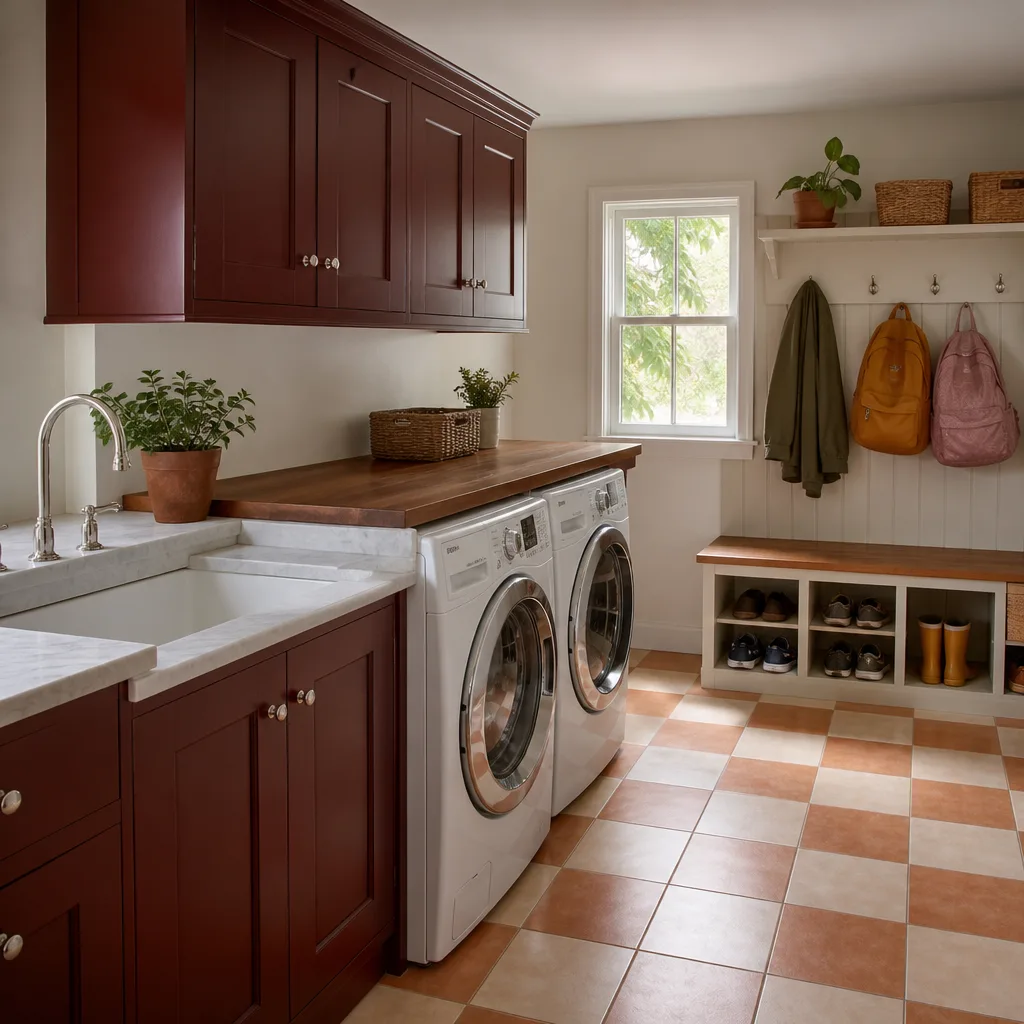
Construction in Dallas is a three-layer problem: the clay soil that moves under your slab, the municipal permit office that has jurisdiction over your specific address, and the HOA deed restrictions that may bind you even when the city says yes. A successful remodel means accounting for all three before demo starts. Equally important is the paperwork: a written price before any work begins and a written guarantee that names exactly what happens if the work fails. Those two documents, more than any marketing promise, are what separate Dallas contractors who honor their word from those who don’t. Ask for both. If a contractor won’t put it in writing, you have your answer. Then call (940) 204-5368 for a free estimate from a company that will.
Written by Trevor Nash, Owner at Penhallow Remodeling Dallas, serving Dallas since 2004.


